
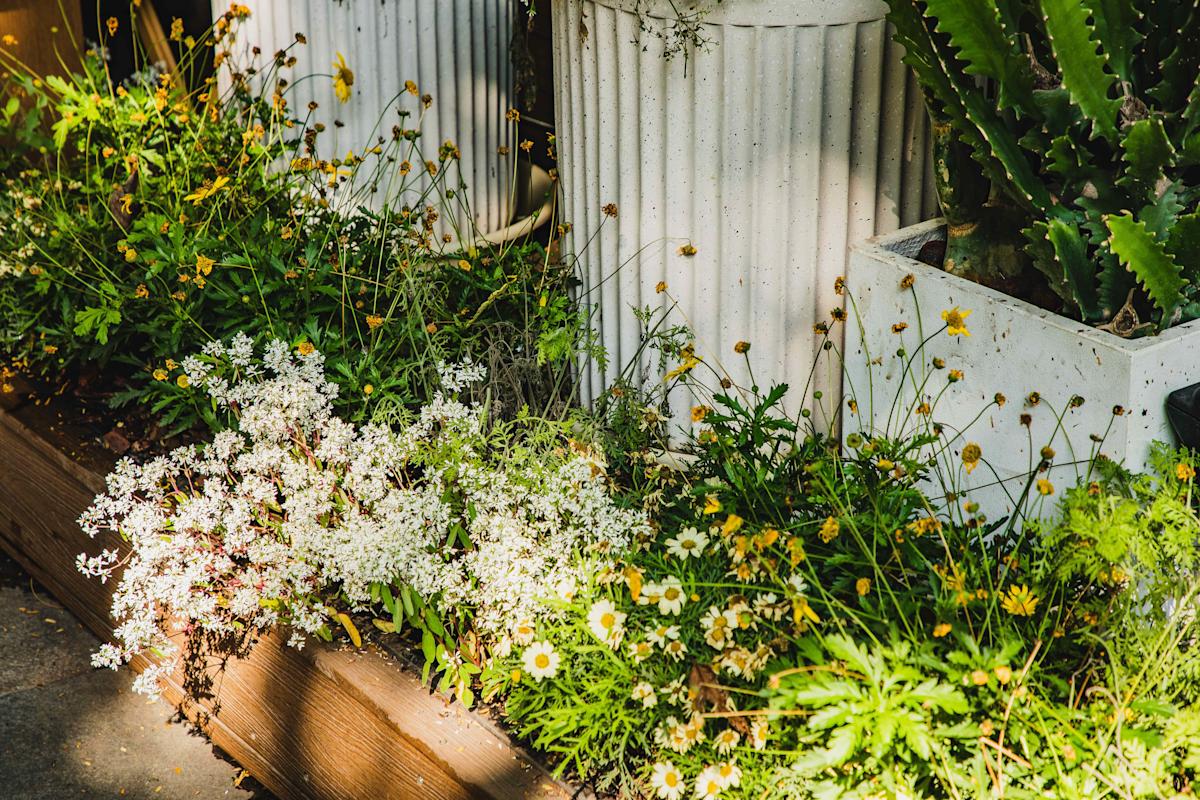
As spring and summer approach, many gardeners are rethinking what their outdoor spaces can look like. To help with planning, we’ve rounded up predictions for the flowers, shrubs, and produce expected to appear in outdoor spaces across the country.
Think wilder plantings (in both senses of the word) and a continued focus on eco-conscious gardening practices. Plus, there’s an old-fashioned shrub making a major comeback. As you warm up your green thumb for spring and summer, take some inspiration from these top 2026 garden trends experts say are on the rise.
Meet Our Expert
Andrew Bunting, vice president of horticulture at the Pennsylvania Horticultural Society
Rebecca Sears, gardening expert and CMO at Ferry-Morse
Related: We Asked Pro Gardeners What They Grow at Home—Here Are Their Top Picks
01 of 05
Chaos Gardening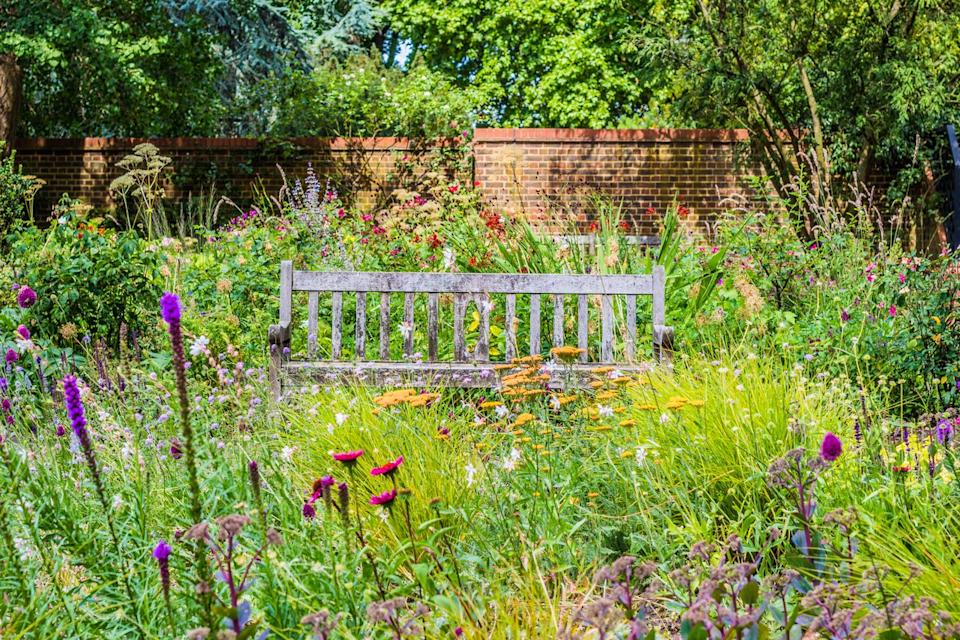
Lorenza Marzocchi/Getty Images
In 2026, gardeners are stepping away from rigid rules and hyper manicured gardens and embracing a more relaxed, nature-first approach. Wildflowers and “chaos gardening” are at the center of this shift. The idea is to throw caution (and your seeds) into the wind, and then to reap the beautiful rewards.
“These wildflower gardens support biodiversity by creating essential habitats for bees, butterflies, and beneficial insects, all while taking the pressure off the gardener,” says Rebecca Sears, gardening expert and CMO at Ferry-Morse. “They allow plants, pollinators, and local wildlife to do what they do best.”
She adds that one of the best things about wildflowers is how forgiving they are. You don’t need perfect soil or constant attention—just select a wildflower seed mix that’s appropriate for your region. Scatter the seeds and water lightly to get them established. From there, nature takes over.
02 of 05
Eco-Conscious Swaps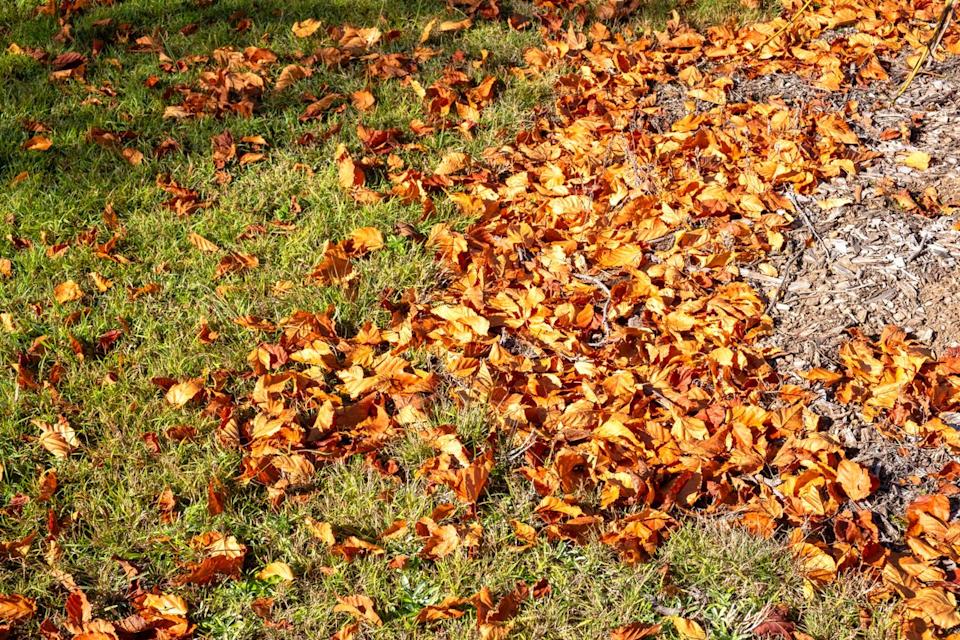
Louise Docker Sydney Australia/Getty Images
This garden trend will only continue gaining momentum in 2026. The idea is to create a garden that benefits your local environment and supports biodiversity—and you can start small. There are many things that can be done to improve the ecology of a garden, says Andrew Bunting, vice president of horticulture at the Pennsylvania Horticultural Society.
“Switch from a gas-powered lawn mower or leaf blower to one that is battery operated. Leave the leaves, meaning leave some of the leaves in beds as natural mulch so it can also provide coverage for overwintering native insects,” he suggests. “Plant some native plants to support native pollinators. Reduce a small portion of your lawn each year and expand your gardens.”
03 of 05
Organic Edible Gardens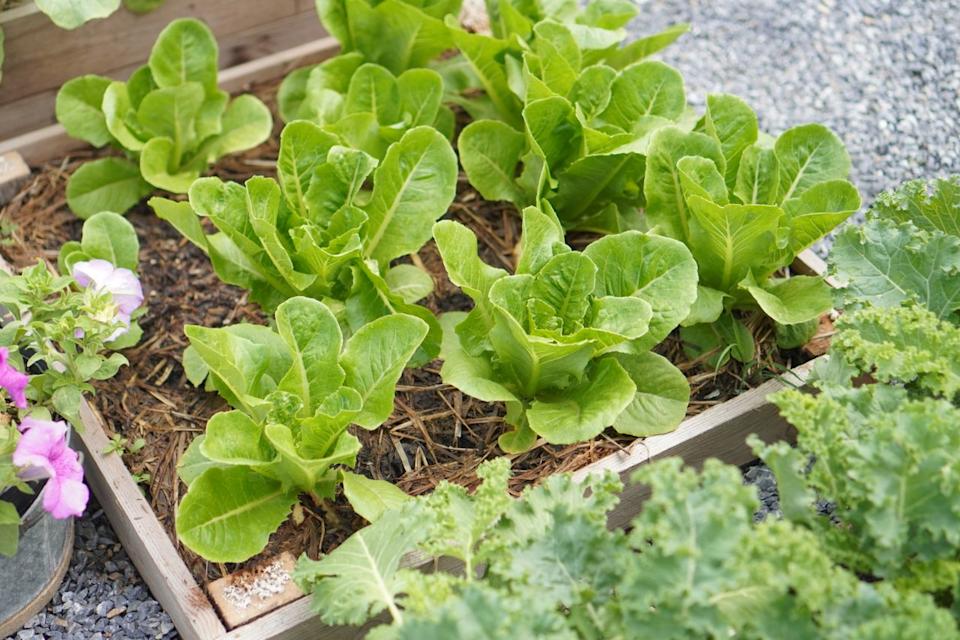
Penpak Ngamsathain/Getty Images
More gardeners are prioritizing what goes into their food and that starts at the seed level. “People want confidence that their vegetables, herbs, and flowers are grown without synthetic chemicals, especially as home gardening becomes a family activity,” Sears says. “Choose certified organic seeds to set yourself up for success from day one. Pair them with healthy soil and consistent watering, and you’re already halfway there.”
As for what you grow, prioritize veggies and herbs that you know your family will enjoy, and that thrive where you live.
04 of 05
Hydrangea Hype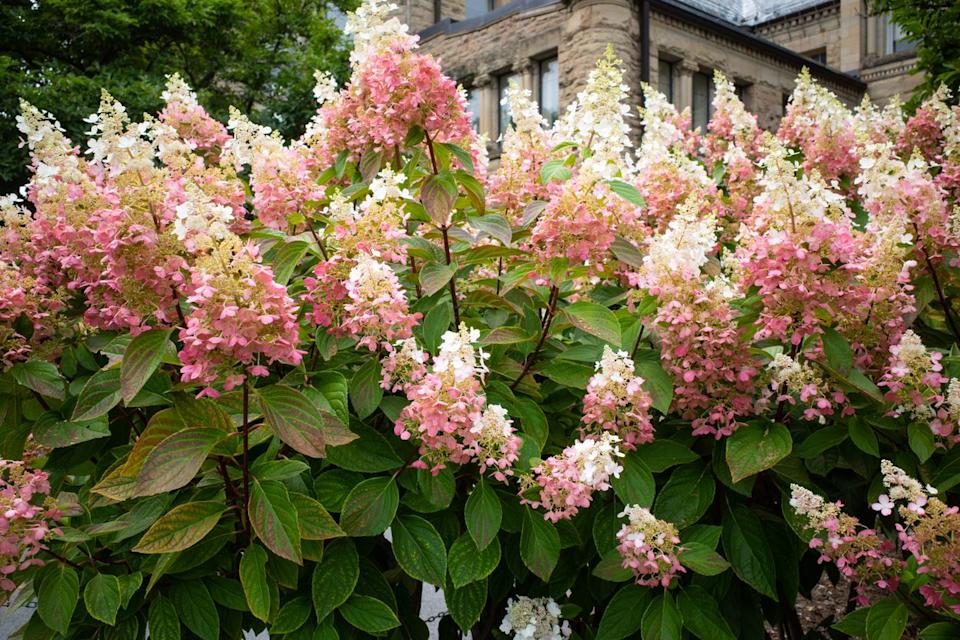
In the past 20 years, Bunting says there has been a global renaissance for what was once considered an old-fashioned shrub.
“This resurgence of hydrangeas also catalyzed many hydrangea breeding programs, which have resulted in hundreds of new hydrangea cultivars including the notable Endless Summer hydrangeas, as well as many other notable series and cultivars,” he says.
If you want in on the hydrangea fun, he says to choose a variety based on the location your shrub will go. For example, Hydrangea macrophylla and Hydrangea serrata are the hydrangeas with colorful flowers and prefer filtered shade, while the smooth hydrangea and oakleaf hydrangea flower best in full sun.
05 of 05
Micro Gardening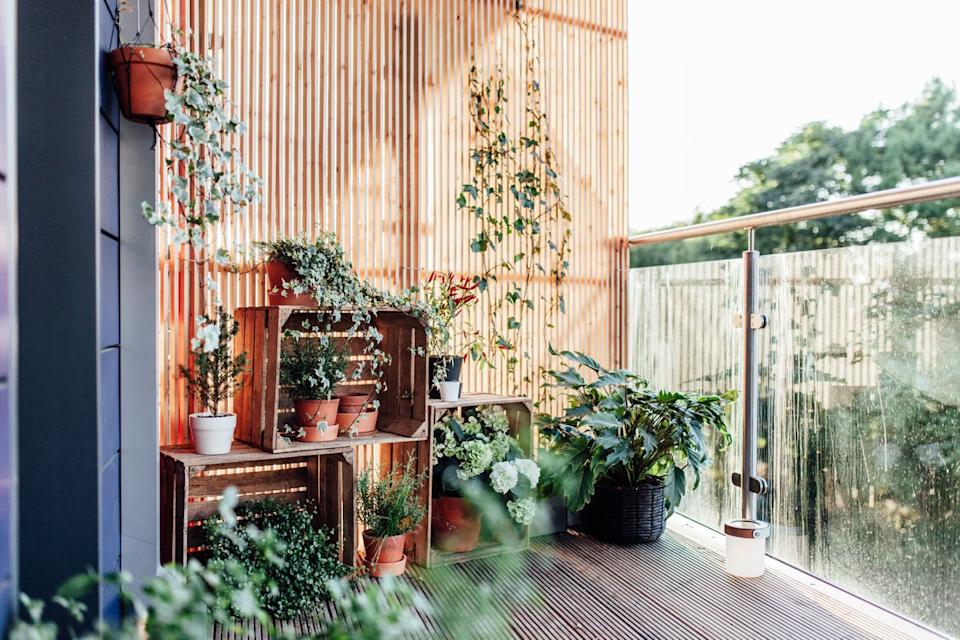
Many believe believe having a garden meant you needed a big yard, but this is not true. Whether you have a petite plot, a balcony, or simply a kitchen counter, you can grow your own flowers and foods.
“This year, gardeners will continue maximizing indoor growing, patios, balconies, raised beds, and window boxes with plants that deliver high impact where there is limited space, from compact vegetables to pollinator-friendly flowers,” Sears says. “Choose seeds bred for containers or compact growth, and don’t underestimate the power of vertical space.”
Related: Are Non-Native Plants Really All That Bad? Here’s What Gardeners Say
Read the original article on Real Simple
Comments are closed.