
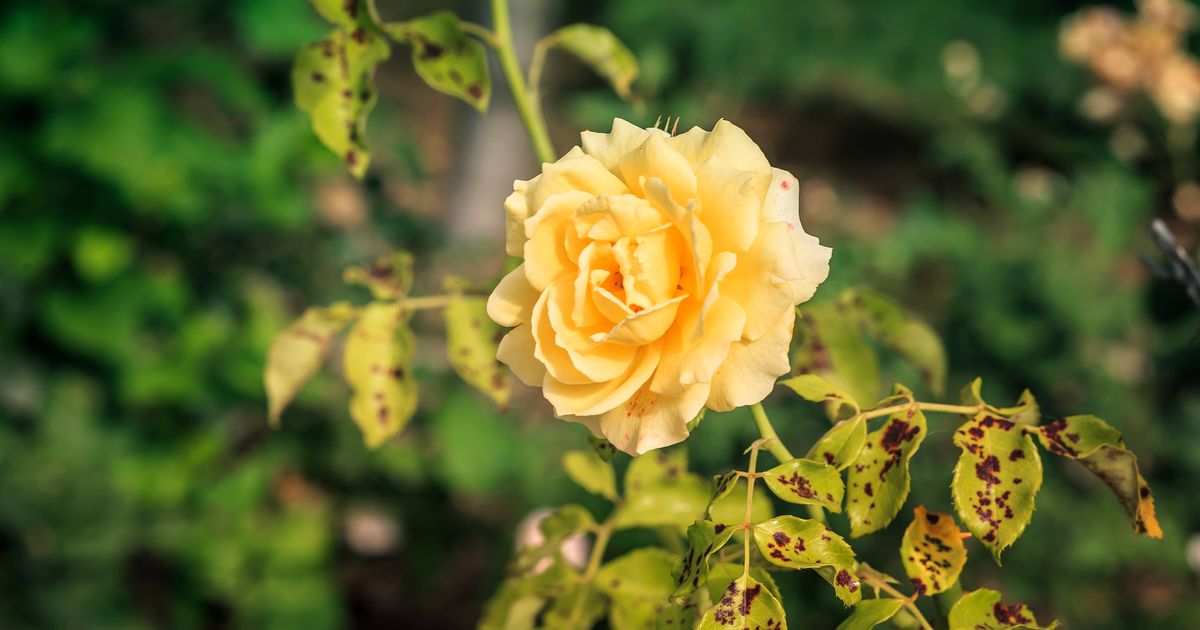
Black spot is a fungal disease that causes black patches on rose leaves and can weaken plants in wet weather – but natural remedies may help prevent it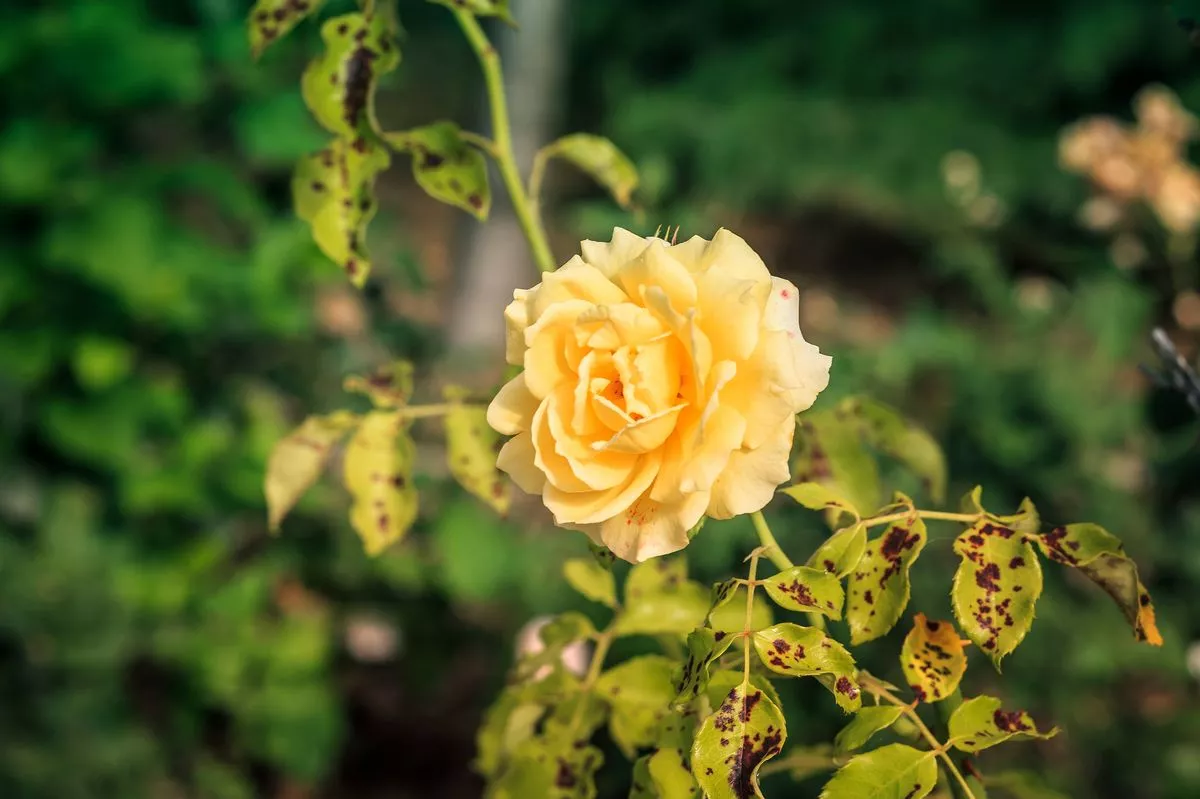
Black spot is a fungal disease that causes black patches on rose leaves and can weaken plants in wet weather – but natural remedies may help prevent it(Image: kemirada via Getty Images)
Gardeners should note that roses need safeguarding not just from January’s chill but also from ailments like black spot, which flourishes in damp weather. Black spot is a serious fungal infection causing roses to develop dark patches on their foliage, which subsequently turn yellow and drop off, reports the Express.
The spores of this ailment are usually carried by wind but require moisture to germinate, making rainy and muddy conditions especially dangerous for your garden. While black spot rarely proves fatal to roses, without treatment it can considerably weaken the plant, diminishing its prospects of surviving winter.
It can also restrict a rose plant’s development and hamper its capacity to bloom, leaving your garden looking sparse when summer arrives. Yet, experts at Dammann’s Garden Company have insisted that preventing black spot is remarkably simple and doesn’t necessitate harsh chemicals.

Garden lovers should be aware that roses require protection against black spot disease in winter(Image: Getty)
Remarkably, natural solutions such as baking soda can prevent the infection by establishing an alkaline environment on the surface, disrupting spore development. Even ordinary white vinegar, the type you’d pour on chips, can help tackle black spot disease.
Its acetic acid content, which possesses mild antifungal qualities, can effectively eliminate spores. The experts stated: “Toxic solutions might be effective, but they are damaging to your garden and soil and should be used as a last resort.
“Vinegar and baking soda are a great way to safely combat the growing fungus by changing the pH balance. A mixture of cow’s milk and water will do the same thing.”
The proteins present in cow’s milk boast antifungal qualities whilst also acting as a surfactant, meaning they’ll not only destroy spores but also stop them from taking root on leaves.
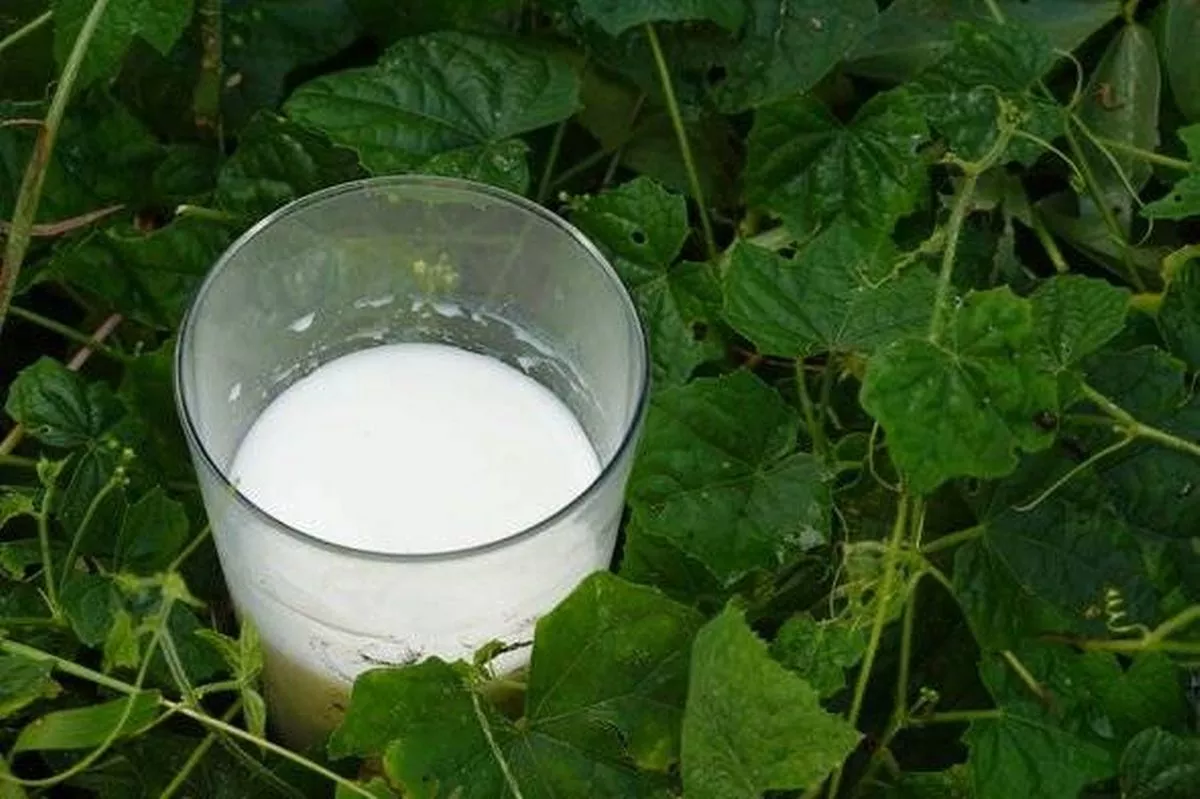
Cow’s milk can be used to protect roses against black spot disease(Image: Getty)
Neem oil is another powerful solution, forming a defensive shield around roses. This layer makes it difficult for spores to multiply and interferes with any already established on the plant.
The experts explained: “This is a commercial oil that is derived from evergreen neem trees, and works great as a natural fungicide, preventing the Black Spot-causing fungus from thriving. Make sure you follow the directions on the container to mix the oil to the right concentration.”
If your roses are currently healthy and you’re simply worried about possible infection, the best prevention strategy is maintaining dry blooms.
Overgrown roses have a tendency to capture moisture and limit air flow, establishing perfect circumstances for disease to take hold. Be sure to prune your roses at the correct time, which is usually during February or March.
Furthermore, remove any debris or fallen leaves around your roses. Spores can easily spread through dropped foliage, which holds significant moisture.
Winter mulching is essential for roses, helping them retain adequate moisture throughout the cold months while keeping weeds at bay and limiting spore dispersal. The specialists advised: “Add a layer of mulch to the soil to keep the moisture locked in despite the better airflow, simultaneously keeping the roots healthy and suffocating developing weeds.”
If you want ideas and inspiration to plan your next UK adventure plus selected offers and competitions, sign up for our 2Chill weekly newsletter here
Comments are closed.