

Hydrangeas are a low-maintenance plant, however, there are several mistakes that gardeners can make when growing them, which can result in no blooms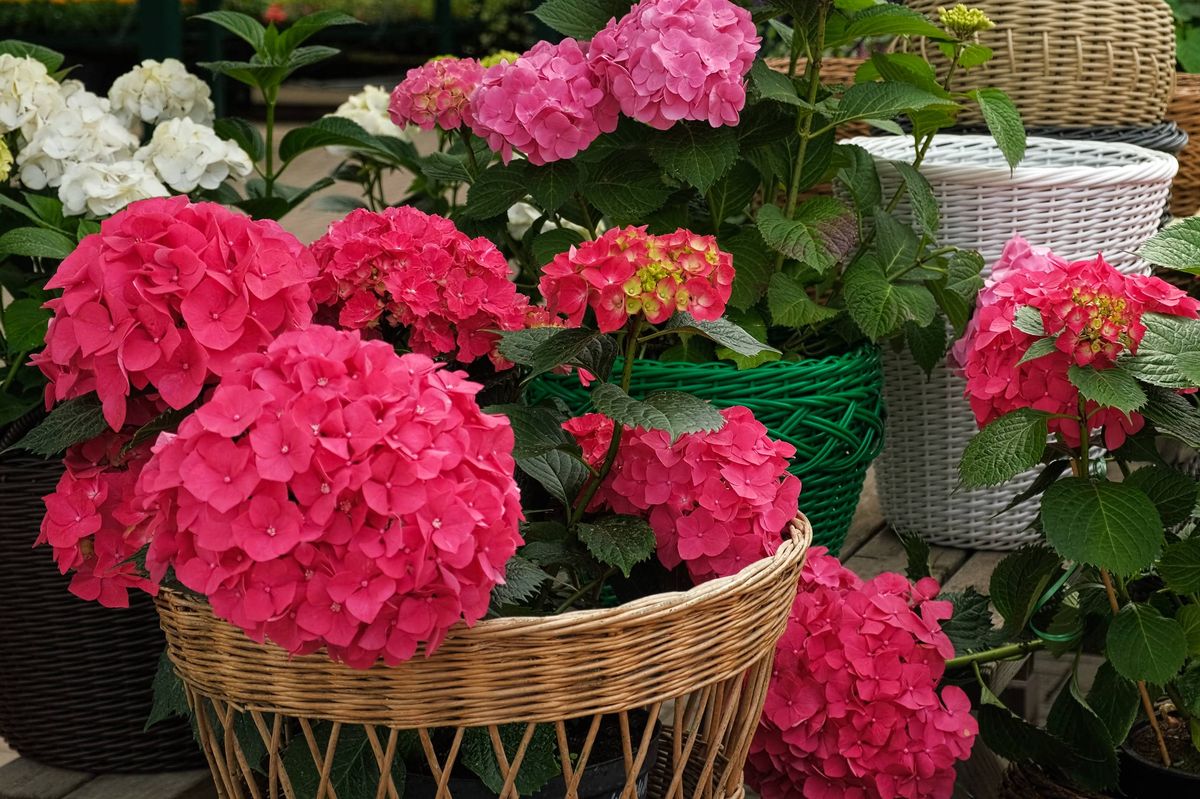
Hydrangeas are a low-maintenance plant, however, there are several mistakes that gardeners can make when growing them, which can result in no blooms(Image: Marina Demidiuk via Getty Images)
Hydrangeas put on a stunning show with their vibrant, eye-catching blooms that last from late spring right through to autumn. Known for being low-maintenance, these popular plants have won over both gardening newcomers and experienced green-fingered enthusiasts, reports the Express.
Yet, despite their reputation for being straightforward to care for, there are numerous common blunders that gardeners of all skill levels tend to make when tending to hydrangeas. The good news is that once you know what pitfalls to avoid, these slip-ups are entirely preventable.
Ben Hilton, who founded and edits The Gardening Fix, has revealed three of the most widespread mistakes people should sidestep.
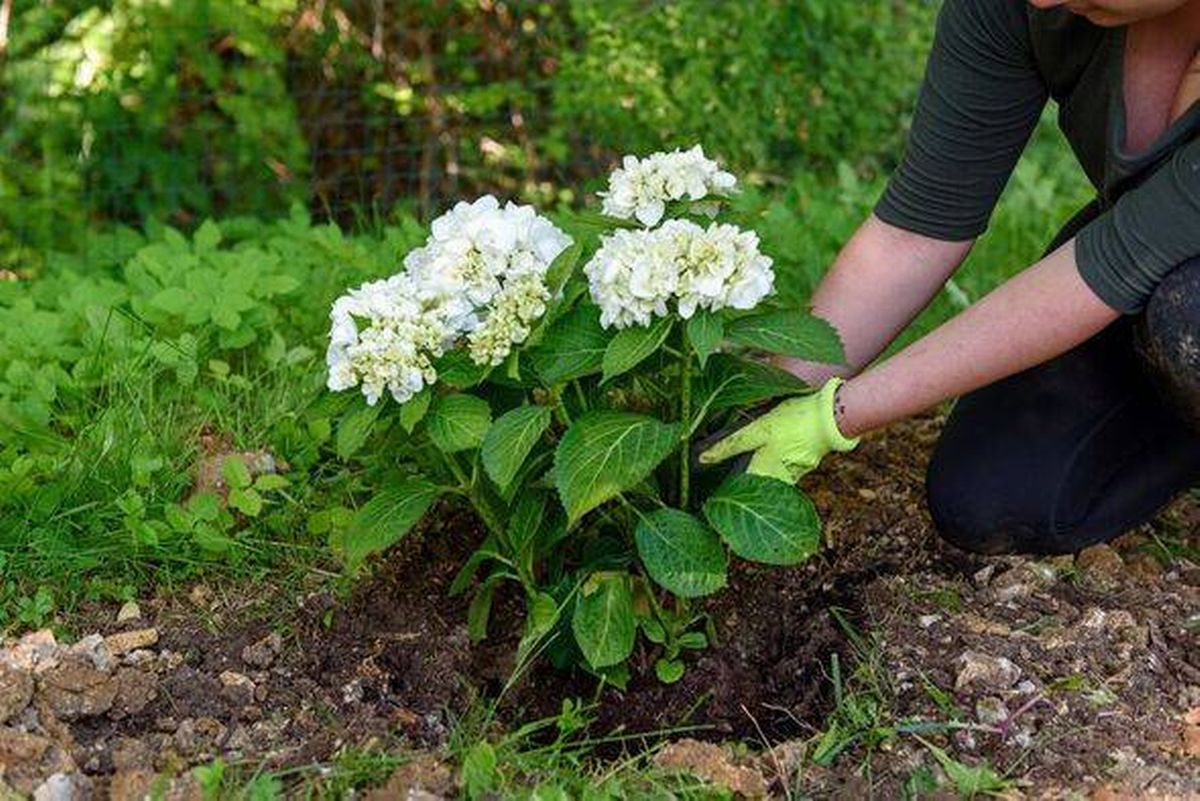
There are several frequent errors that home gardeners can make with hydrangeas(Image: Getty)
1. Wrong soil pH
Many gardeners feed their hydrangeas with fertiliser, hoping for “show-stopping displays of flowers “, but end up let down. This disappointment usually arises from incorrect soil pH levels, which hamper the plant’s ability to take in nutrients effectively and spread them around.
For most hydrangea types, slightly acidic soil with a pH between 5.2 and 6.2 is “ideal”. Ben recommended that gardeners test their soil pH with a soil test kit. If the results show it’s off, they should amend the soil accordingly, then “apply a phosphorus 10-20-10 fertiliser in spring”.
2. Cutting off flower buds
Trimming hydrangeas at the wrong time of year is “the most costly mistake for sure”, the gardening expert warned. He pointed out that flower buds are often accidentally removed through incorrect pruning, leading to “no flowers at all”.
Ben clarified that hydrangea macrophylla and quercifolia bloom on old wood, meaning they “need pruning directly after flowering” during autumn. By contrast, hydrangea paniculate and arborescent develop flowers on new wood, permitting them to be cut back in late winter or early spring.
3. Underwatering
Hydrangeas need regular moisture to “reach a successful full bloom”. Hydrangeas are moisture-loving plants that demand watering throughout the growing season and even during dormant periods.
If you live in a region where the ground freezes solid, keep watering deeply and regularly until the ground becomes completely frozen. In regions where the ground doesn’t freeze, hydrangeas should be watered thoroughly but less frequently during winter.
According to Ben, watering thoroughly twice a week alongside applying a thick layer of organic mulch “will return fantastic blooms all summer”.
If you want ideas and inspiration to plan your next UK adventure plus selected offers and competitions, sign up for our 2Chill weekly newsletter here
Comments are closed.