
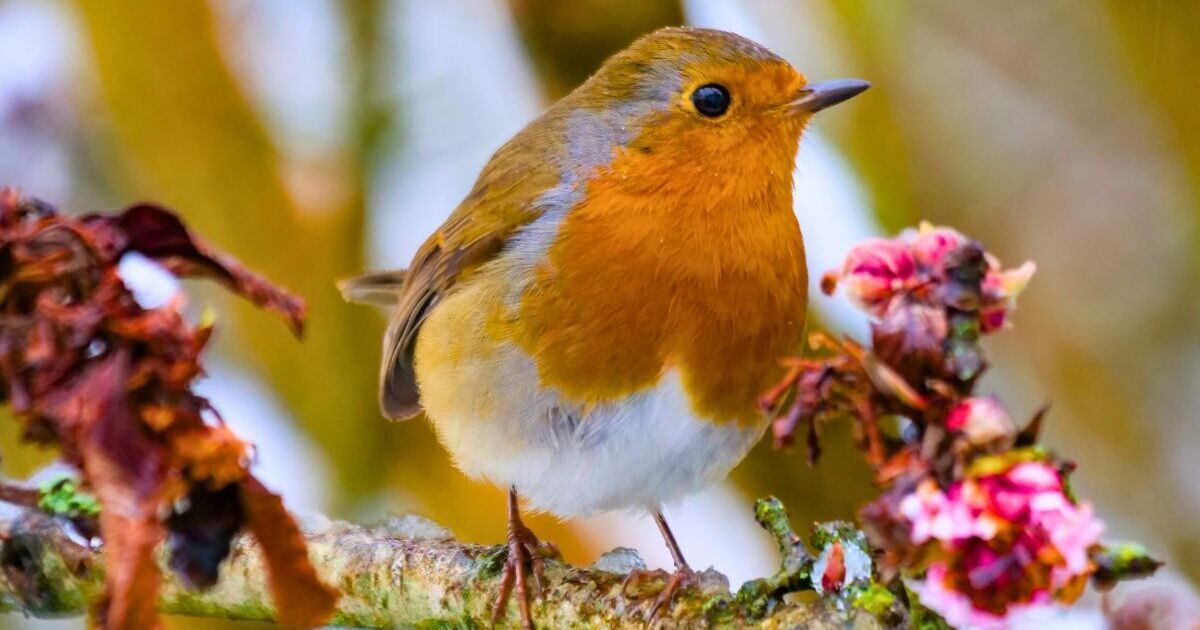
Robins can really struggle to survive once the ground freezes in the middle of winter (Image: Getty)
There is no better sight on a cold morning than seeing a robin chirping outside a window, but these beautiful birds often struggle to stay alive once the ground freezes in January. Robins have a reputation for being winter birds, but they actually have to put a lot of effort into staying alive at this time of year, as the cold increases their need for energy.
They need a lot of food in order to maintain their body temperature, and they are more likely to freeze to death if they cannot dig up worms or other insects out of the soil. Mandy Watson, a gardener and creator of Mandy Can U Dig It, is urging gardeners to get outside and dig up some soil to make it easier for robins to feed. She said: “Tiny birds like robins need one-third to a half of their body weight every day just to survive! Freshly-dug soil uncovers a smorgasbord of invertebrates with no effort on their part.”
READ MORE: Anyone with a garden urged not to cut hedges this January
READ MORE: Households urged to check attics and lofts this January – prosecution risk

A simple way to help robins out it to dig up a part of your garden (Image: Getty)
All you need to do is work the soil a little using a garden fork, which most people tend to start doing before spring to aerate their lawn or to begin planting flower bulbs.
Digging even a small part of your garden is one of the most useful things gardeners can do to help out their local wildlife, but it will also greatly help to just some food on the ground.
Mandy said: “If you don’t fancy the digging option, robins are mostly ground or bird table feeders. They’re not keen on performing acrobatics on feeders unless desperate.
“Attract robins to the garden with mealworms, sunflower seed hearts and robin-specific fat/seed mixes are good options. In autumn and winter, robins will also eat berries and fruit.”
Robins naturally forage on the ground, and their eyesight is adapted to look for food at this level rather than looking up at feeders or branches.
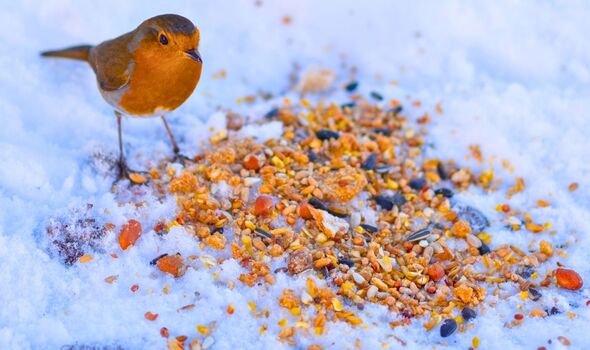
Robins are more likely to come into the garden if you feed them on the ground (Image: Getty)
Feeding on the ground also allows robins to escape quickly from predators, and they will likely feel too exposed to fly up to a high birdfeeder.
If you want to help robins out this winter, then it is more effective to put out a shallow tray filled with food and place it in a quiet corner of your garden.
Robins need a lot of protein and fat in winter, so it is best to feed them soft and high-calorie foods like suet balls, crushed up seeds or dried-out mealworms.
You can also feed robins blueberries, raspberries, chopped up apples, sultanas and raisins, which have been soaked in water to soften them up.
Do not feed robins nuts made for humans, as robins cannot digest high amounts of salt, and they will damage their kidneys or kill them outright if they are fed too much.
It is a common myth that birds like bread or milk, but these products do not have the right nutrients to give robins energy, and it will simply fill them up rather than help them survive in the cold.
Comments are closed.