
This bright, gorgeous plant is a favourite in homes across the UK – but if you’re not careful it can cause a painful rash.
This plant can cause skin irritation and rashes(Image: Getty)
Houseplants bring a breath of fresh air and a splash of greenery to your living space. From trailing ivies to spiky cacti, there’s a plant to suit every taste.
However, lurking beneath their leafy exteriors, some varieties harbour a sinister secret that few are aware of. Certain plants that grace homes across the UK can actually be toxic, causing rashes, hives and even blisters if you’re not careful.
One particular houseplant, adored for its vibrant foliage and festive charm, can pose a risk if mishandled.
The poinsettia, a member of the Euphorbia family, is a striking decorative house plant. But its sap can spell trouble if it comes into contact with your skin.
According to the Royal Horticultural Society, the sap of the poinsettia can irritate the skin and eyes, reports the Express.
It can trigger a burning sensation and sometimes blistering if exposure is significant. The most common way to come into contact with the sap is through pruning, or simply moving the plant and inadvertently snapping a stem.

This popular plant can cause skin problems(Image: Getty)
If a small amount of milky sap drips onto your wrist or hand and feels sticky, you’ll probably wipe it off with a cloth.
As time passes, the area turns red and tender, and the skin can begin to sting, particularly after washing your hands.
This is because the sap can be spread by touch, so if you do get some on your hand, make sure you keep your mitts away from your face.
If you come into contact with the sap, the NHS advises immediately rinsing the affected area until it’s clean and applying a light moisturiser to soothe and protect your skin.
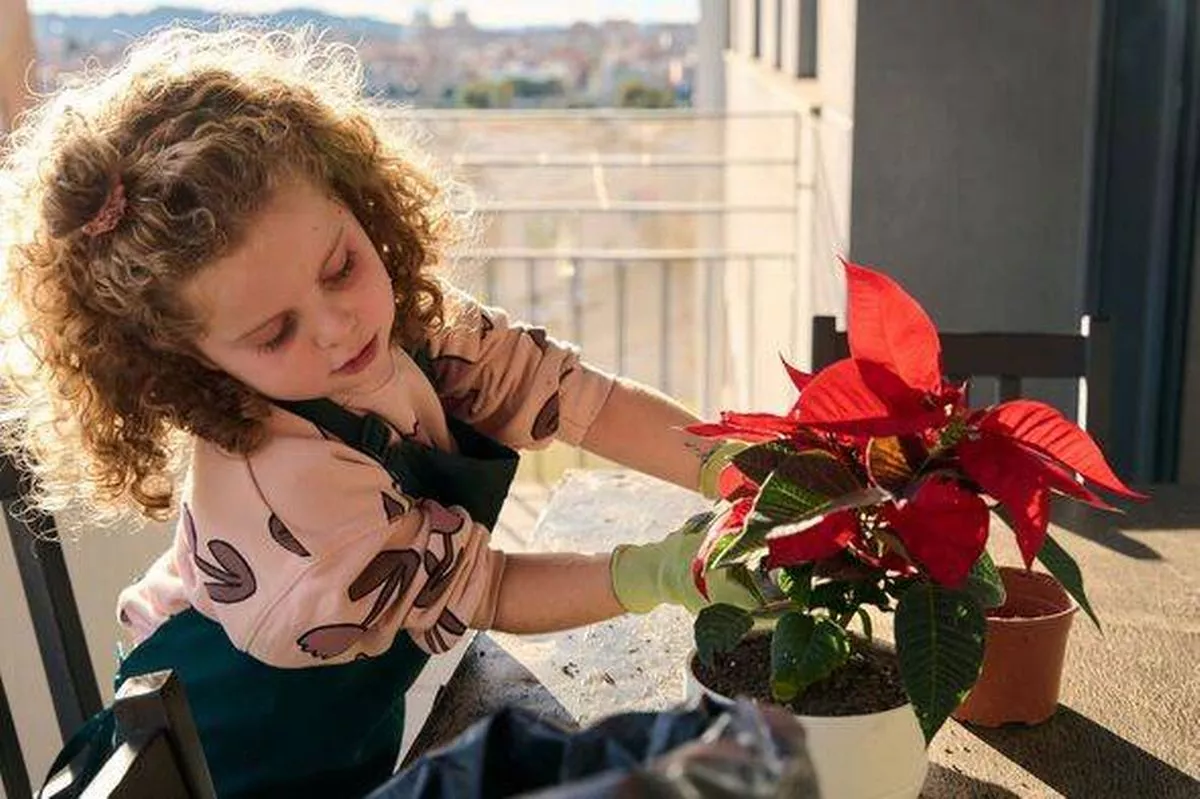
Poinsettias are beautiful but their sap can be dangerous(Image: Getty)
Dr Annette Phillips from Forever Facial Aesthetics advises those who have this plant at home to exercise caution when handling it.
If you’re considering pruning or repotting, she suggests donning gloves to protect your skin.
She emphasises the importance of washing your hands thoroughly after contact to ensure your safety.
Comments are closed.