
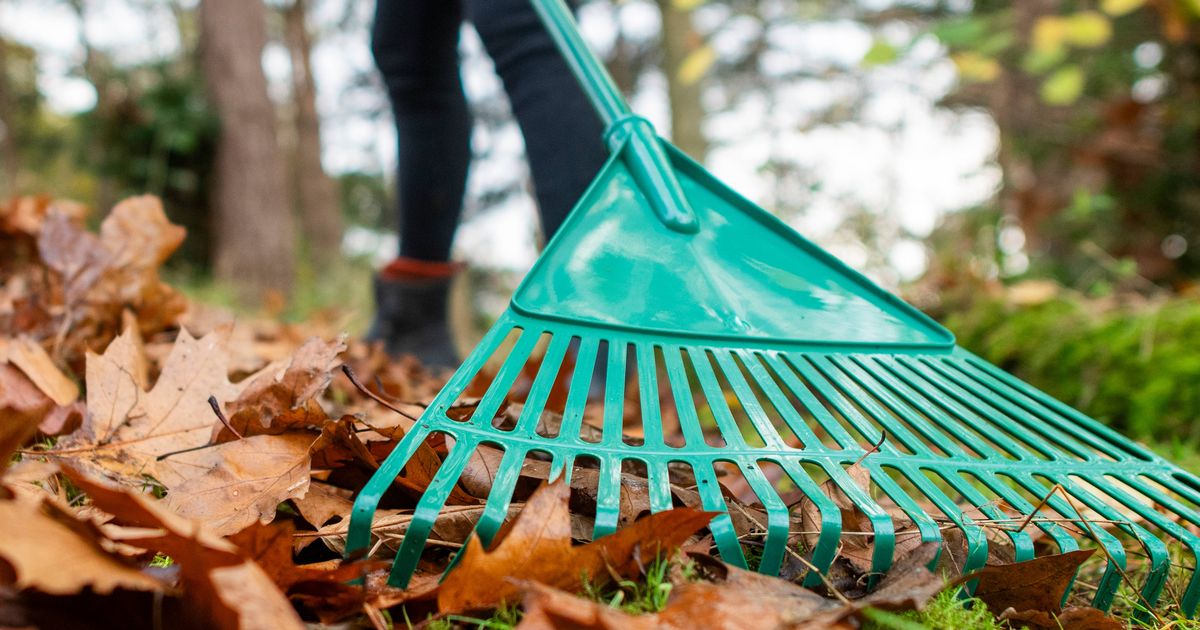
The RHS has shared important lawn maintenance tasks to perform in January that will ensure your lawn thrives come spring
Sophie Harris Senior Lifestyle Reporter and Mia O’Hare Showbiz Reporter
15:45, 12 Jan 2026Updated 15:48, 12 Jan 2026
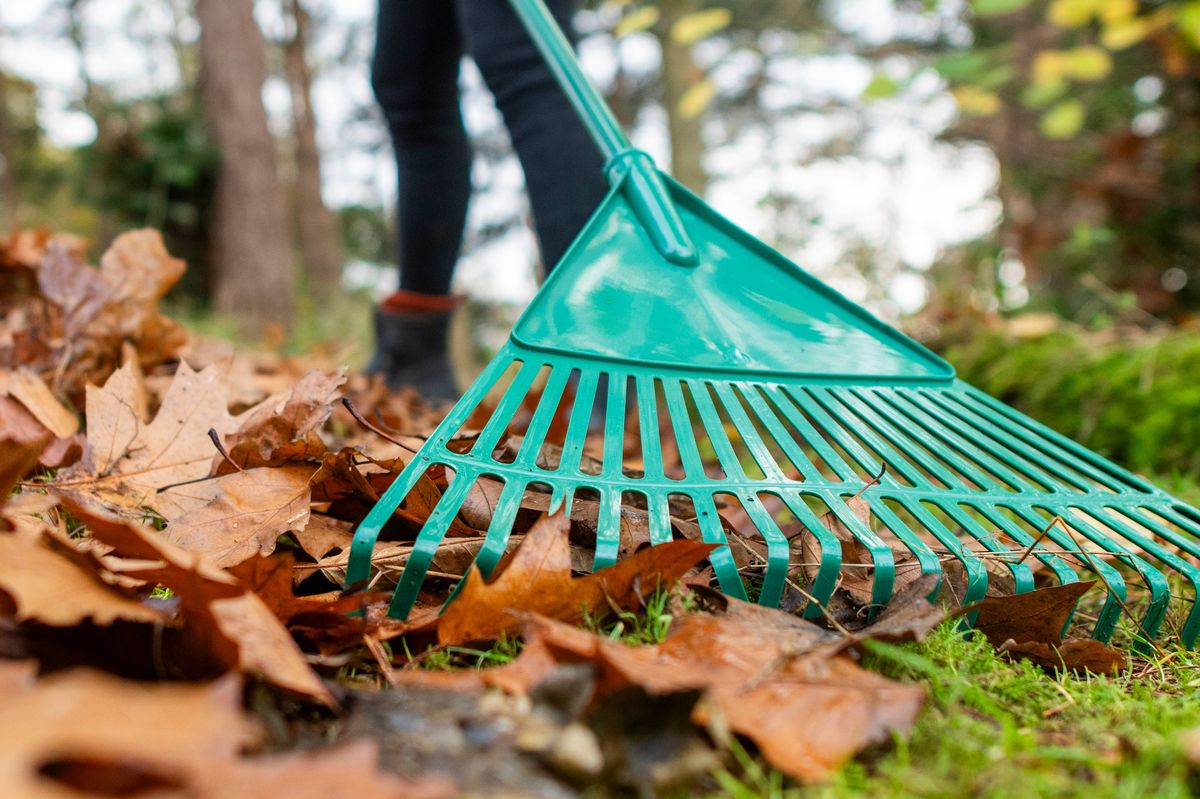
January is a great time to perform lawn maintenance(Image: Alex Treadway via Getty Images)
Although most gardens lie dormant throughout winter, January remains a perfectly suitable time to carry out specific maintenance work. This encompasses pruning and undertaking particular lawn care activities.
Grass growth decelerates during the colder period, meaning it’s advisable to avoid mowing, though several other jobs can be tackled.
The RHS has outlined these tasks, which encompass fixing bare areas, levelling out dips and raised spots, reshaping lawn boundaries, and checking for waterlogging. Completing these during the winter period will guarantee a flourishing spring lawn.
1. Fix bare areas
January presents an excellent opportunity to address bare patches, the RHS suggests, particularly surrounding lawn boundaries, reports the Express.
The specialists advised utilising turf taken from other sections of the garden where possible.
2. Level out dips and raised spots
The specialists explained: “You can do this by cutting an H-shape into the turf, peeling back the grass and filling the hollow with soil or removing soil from a bump.
“Re-lay the turf, push the cut edges together and firm it into place.”
Four jobs will make your grass greener in spring(Image: Andrew Merry via Getty Images)
3. Reshape lawn boundaries
Gardeners can reshape lawn boundaries using a half-moon edging iron or flat-bladed spade to achieve a tidy finish, the specialists note.
They continued: “Also maintain a 7.5cm gutter around the lawn edges to prevent grass spreading into your borders.”
4. Monitor for waterlogging
Stay vigilant for waterlogging following rainfall in January. To enhance drainage, pierce the lawn with a garden fork, then brush a combination of sharp sand and loam into the openings.
While not a particular job for January, it’s equally crucial to refrain from treading on frost-covered grass.
Doing so can harm the grass blades, which become fragile in freezing temperatures. It may even result in brown footprints that can take several weeks to fade.
If your lawn experiences regular foot traffic during wet or cold conditions, think about installing stepping stones to avoid causing harm and forming muddy areas.
The specialists advised: “Set the stones level with the soil surface so they don’t interfere with mowing.”
Comments are closed.