

RHS experts recommend certain winter lawn maintenance tasks in January that can help your lawn thrive come spring. Here’s what to do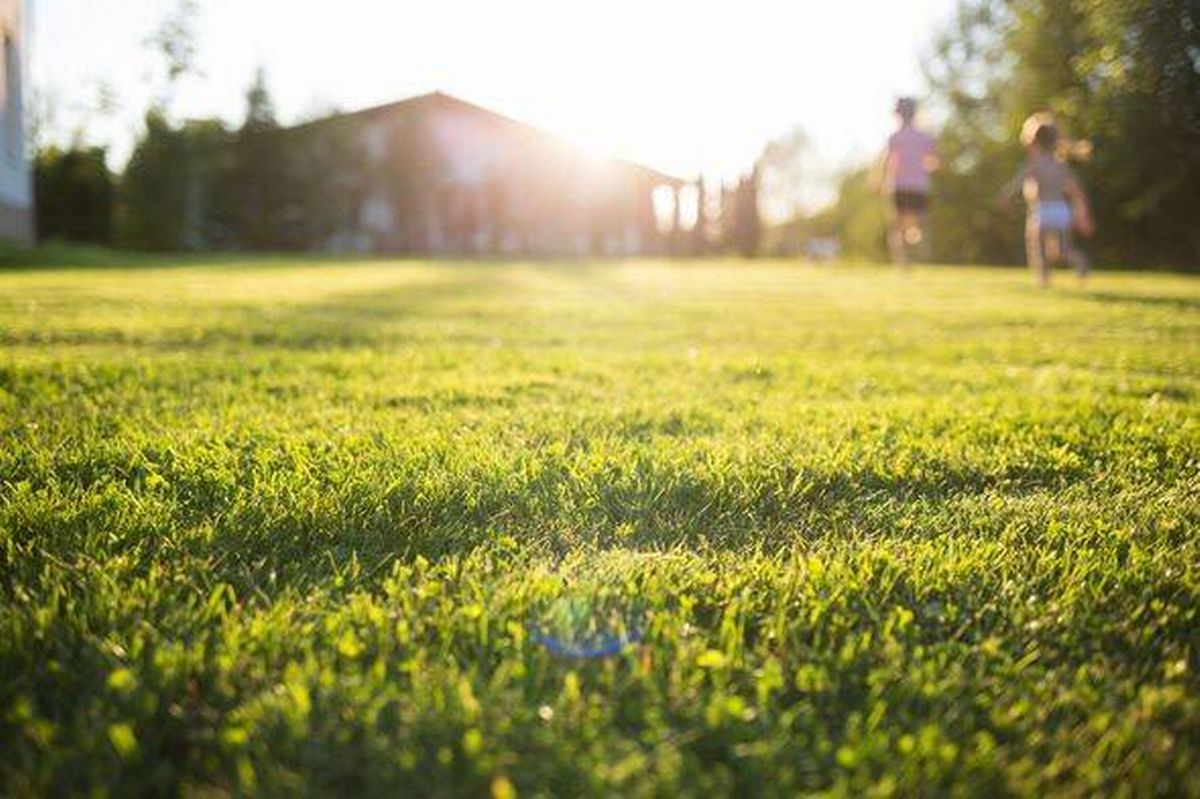
January is a great time to perform lawn maintenance(Image: Getty)
Whilst most gardens snooze through winter, January’s actually brilliant for ticking off certain jobs. Think pruning and a spot of lawn TLC.
Your grass takes it easy in the cold, so pop the mower away, but there’s plenty else to crack on with. The RHS has dished out a handy list of winter tasks, including patching up bald spots, smoothing out lumps and dips, tidying up lawn edges, and keeping an eye out for soggy patches.
Get these sorted now and you’ll be rewarded with a lush, healthy lawn come spring.
Patch up bare spots
According to the RHS, January is the prime time for fixing those threadbare areas, particularly along the edges, reports the Express. The pros suggest nicking turf from elsewhere in your garden if you’ve got some going spare.
Smooth out bumps and hollows
The experts explained: “You can do this by cutting an H-shape into the turf, peeling back the grass and filling the hollow with soil or removing soil from a bump.
“Re-lay the turf, push the cut edges together and firm it into place.”
Tidy up lawn edges
Give your lawn edges a sharp trim using a half-moon edging iron or a flat spade for that crisp, polished look, the experts advise.
They added: “Also maintain a 7.5cm gutter around the lawn edges to prevent grass spreading into your borders.”
Watch for waterlogging
Keep your eyes peeled for waterlogged patches after January downpours. To sort drainage, jab the lawn with a garden fork, then sweep a mixture of sharp sand and loam into the holes.
Although not a specific task for January, it’s also crucial to steer clear of treading on a frost-covered lawn.
This can harm the grass blades, which become fragile in freezing conditions. It could even leave behind brown footprints, which can take several weeks to vanish.
If your lawn is regularly trampled on during damp or chilly weather, think about installing stepping stones to avoid causing harm and creating boggy areas.
The experts advised: “Set the stones level with the soil surface so they don’t interfere with mowing.”
Comments are closed.