
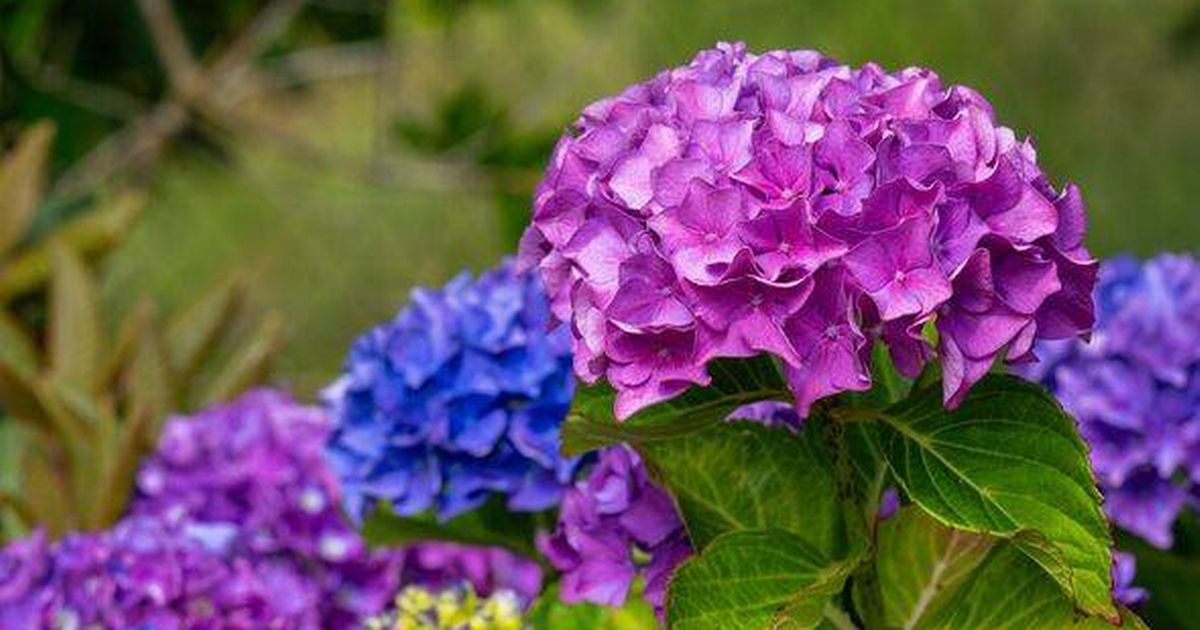
Hydrangeas are celebrated for requiring minimal upkeep, but there are three frequent mistakes that can prevent flowering – including one expert calls ‘the most costly’Angela Patrone Senior Lifestyle Reporter and Sam Dimmer East Midlands Head of Brand
06:21, 12 Jan 2026
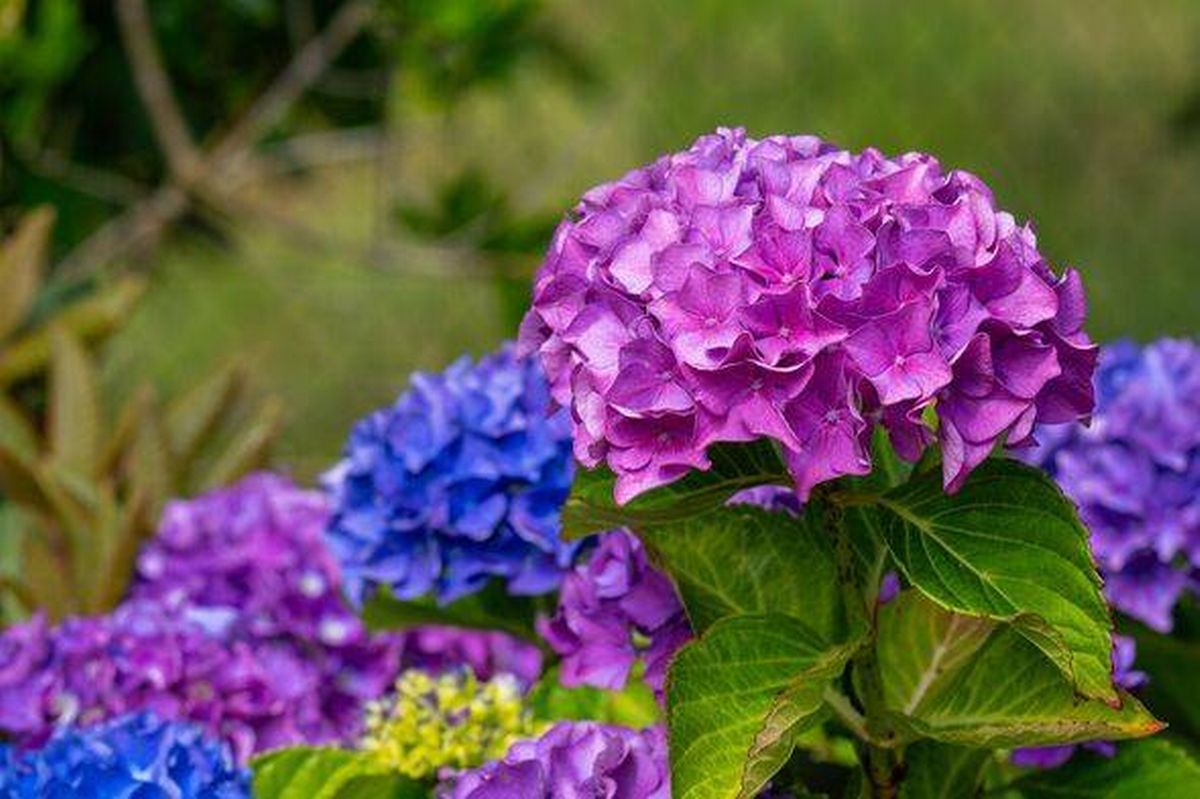
Hydrangeas will never give you flowers this year if you make 1 simple yet ‘costly’ mistake(Image: Getty)
Hydrangeas produce stunning, vibrant flower clusters, offering an impressive show from late spring right through to autumn.
Renowned for their low-maintenance nature, hydrangeas have emerged as a popular choice among both novice gardeners and experienced horticulturists.
Yet, despite their straightforward care requirements, there are numerous common blunders that home gardeners of all skill levels can commit with hydrangeas.
Thankfully, these pitfalls can be readily prevented once you know what to look for.
Ben Hilton, founder and editor of The Gardening Fix, has revealed three of the most widespread mistakes to avoid.
Wrong soil pH
Numerous gardeners add fertiliser to their hydrangeas, expecting “show-stopping displays of flowers”, only to be left disappointed, reports the Express.
This typically occurs due to an incorrect soil pH, which limits the plant’s ability to absorb nutrients and circulate them effectively.
For most hydrangea varieties, slightly acidic soil with a pH between 5.2 and 6.2 is “ideal”.
Ben recommended gardeners test their soil pH using a soil test kit. If the measurement is wrong, they should amend the soil, then “apply a phosphorus 10-20-10 fertiliser in spring”.
Cutting off flower buds
Pruning hydrangeas at the wrong time of year is “the most costly mistake for sure”, the gardener warned. He pointed out that flower buds are often accidentally removed through incorrect pruning, leading to “no flowers at all”.
Ben noted that hydrangea macrophylla and quercifolia bloom on old wood, which means they “need pruning directly after flowering” during autumn.
Conversely, hydrangea paniculate and arborescent develop flowers on new wood, permitting them to be cut back in late winter or early spring.
Underwatering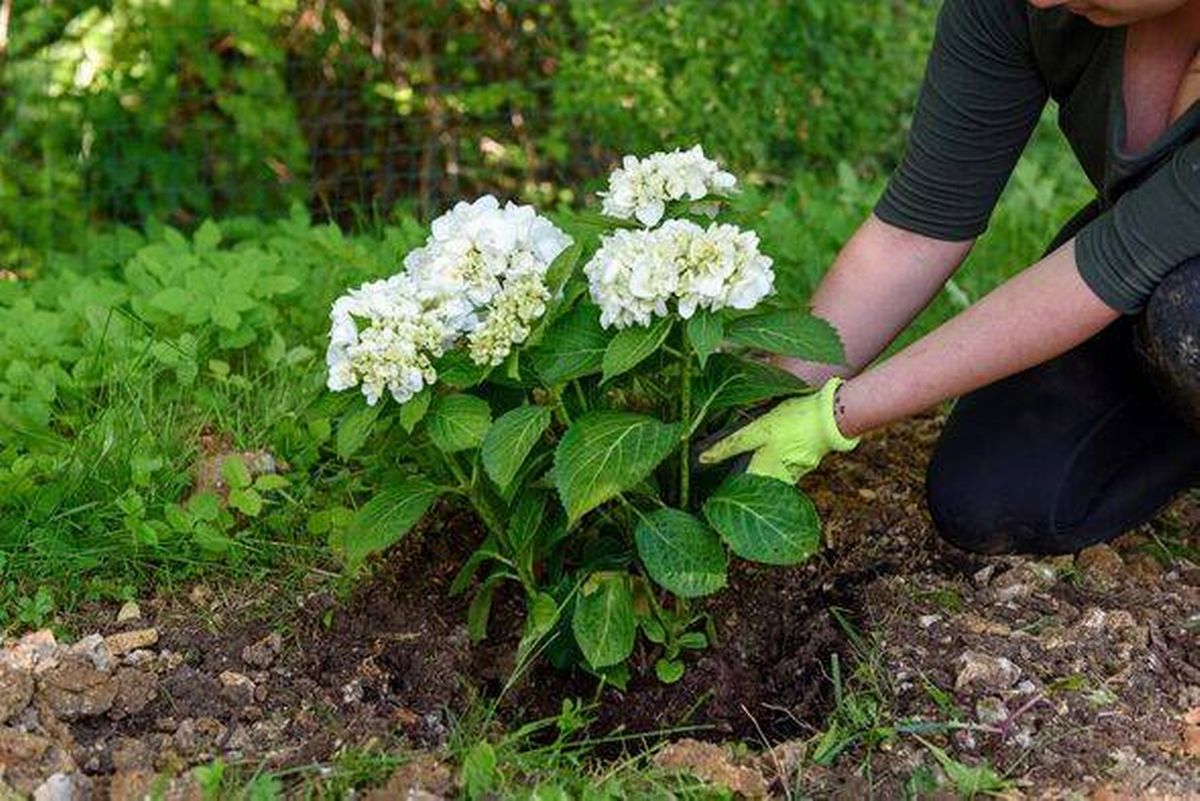
There are several frequent errors that home gardeners can make with hydrangeas(Image: Getty)
Hydrangeas need regular moisture to “reach a successful full bloom”. These are moisture-loving plants that demand watering throughout the growing season and even during dormant periods.
For those residing in regions where the ground freezes solid, it’s important to continue watering thoroughly and regularly until the ground becomes completely frozen.
In regions where the ground doesn’t freeze, hydrangeas should receive deep but infrequent watering during winter months.
According to Ben, thorough watering twice per week alongside applying a thick layer of organic mulch “will return fantastic blooms all summer”.
Comments are closed.