
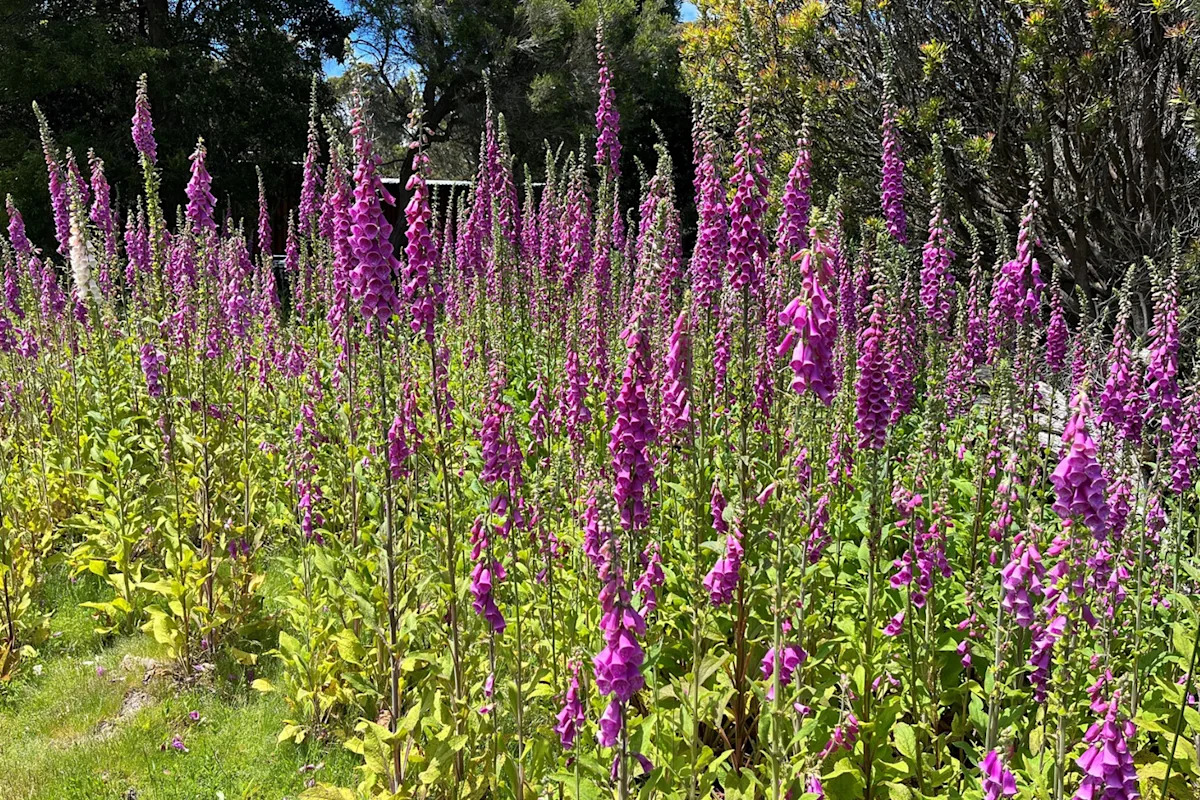
Aussies have been urged to keep an eye out for a common ornamental plant potentially growing on their properties. Its “pretty” exterior is hiding a worrying truth, authorities warn.
While they are rather pleasing to look at, foxgloves “can be harmful to people, pets and the environment”, Tasmania’s Huon Valley Council alerted residents this week. Recognised for its striking floral displays, the species is a popular choice for gardeners.
However, behind its tall, vibrant flowers lurks a dangerous environmental concern.
If they jump the fence and escape backyards, foxgloves pose a serious threat to native species.
On top of that, they also contain several components that are highly toxic and poisonous to humans. In particular, they can affect the heart muscle.
In April, Tasmania joined NSW and Victoria — where the species is most prevalent — and officially labelled the species a pest, with government agencies warning against buying or repopulating the plant.
This week, the Huon Valley Council, the southernmost local government area in Australia, urged residents to “help spread the word, not the weeds”.
“Foxglove is widespread across the Huon Valley, so eradication isn’t realistic,” authorities admitted.
However, “over the next few seasons”, the council’s Natural Resource Management (NRM) Team is working with other organisations such as Tasmania Parks and Wildlife Service “to map foxglove and identify priority areas for control”.
The goal is to stop it from spreading into “important places like the Tasmanian Wilderness World Heritage Area”.
What is foxglove, and why has it been declared a weed?
Foxglove, which is native to Europe and parts of Asia, thrives in temperate climates and was introduced to Australia in the 19th century.
The species is extremely harmful to animals, including livestock, such as cattle, sheep, horses and chickens. It can be fatal if eaten.
Although its bitter taste usually means animals avoid it, its toxicity can also be absorbed through the skin and cause impairments through contaminated hay and cut garden material, making it risky for pets as well.
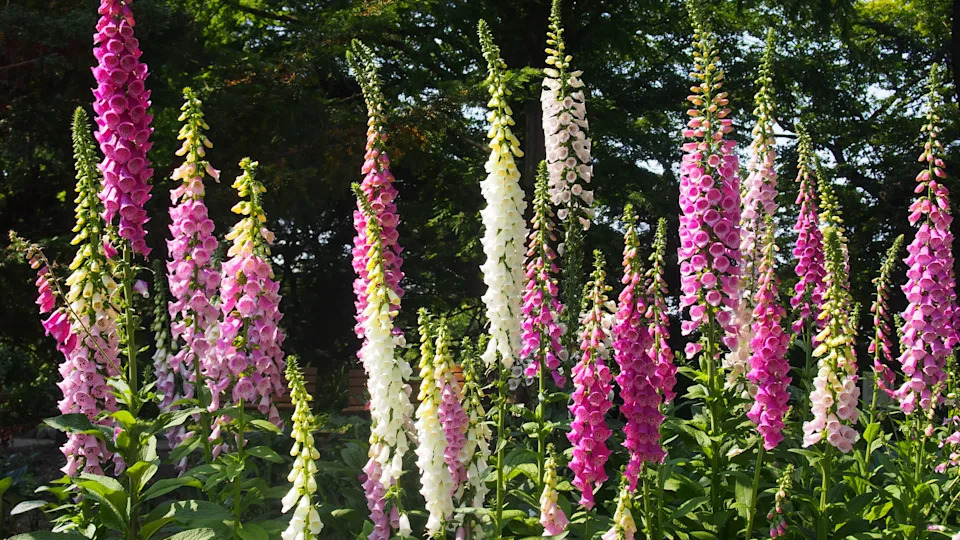
Foxglove is native to Europe and was introduced to Australia in the 19th century. Source: Getty
Its prolific seed production and ability to establish quickly make it a threat to local plant species, reducing habitat quality for native wildlife.
“[They] reduce habitat for native species, degrade natural environments, create havens for invasive species, choke waterways and contribute to poor water quality, and potentially increase bushfire risks and fuel loads,” a spokesperson for Australia’s Centre for Invasive Species Solutions previously told Yahoo News Australia.
“Weeds are estimated to cost Australia’s agricultural industry close to $4.9 billion annually.”
How can I control foxgloves on my property?
Foxglove can be removed by hand before flowering occurs — around mid-spring — but gardeners are encouraged to take measures to minimise direct and indirect physical contact, according to the Tasmanian Government.
Anyone trying to eradicate them from their property is encouraged to wear gloves, eye protection, and long-sleeved shirts and pants.
They should wash or discard the gloves after use and thoroughly clean their hands before eating or drinking.
While mowing or slashing the species is not an effective control method as it will simply reshoot, those trying to reduce dense infestations with these methods should “shower as soon as possible” and wash their clothes separately, authorities warn.
According to Huon Valley Council, gardeners should “work from the edges of the impacted areas towards the centre” to ensure they do not spread foxglove into clean areas. The entire thickened root crown needs to be removed, or plants will return.
If the species is spotted near a natural waterbody or drainage system, silt fences or straw bales may be able to prevent seed spread via runoff.
Homeowners are also encouraged to create a Weed Management Plan to identify priority areas for control. Free templates are available on the council’s website.
Because none of Huon Valley Council’s waste centres accept declared weeds, to dispose of the weed safely, residents should place the green matter in double rubbish bags, splash them with water and leave them in the sun for at least three months before popping them in the general waste.
Love Australia’s weird and wonderful environment? 🐊🦘😳 Get our new newsletter showcasing the week’s best stories.

Comments are closed.