
Key Points
Cut off wilted flowers but keep the foliage so the amaryllis can store energy for future blooms.Let the bulb rest in cool, dry conditions for about two months to trigger reblooming.Reblooming amaryllis each year saves money and brings back its festive charm every season.
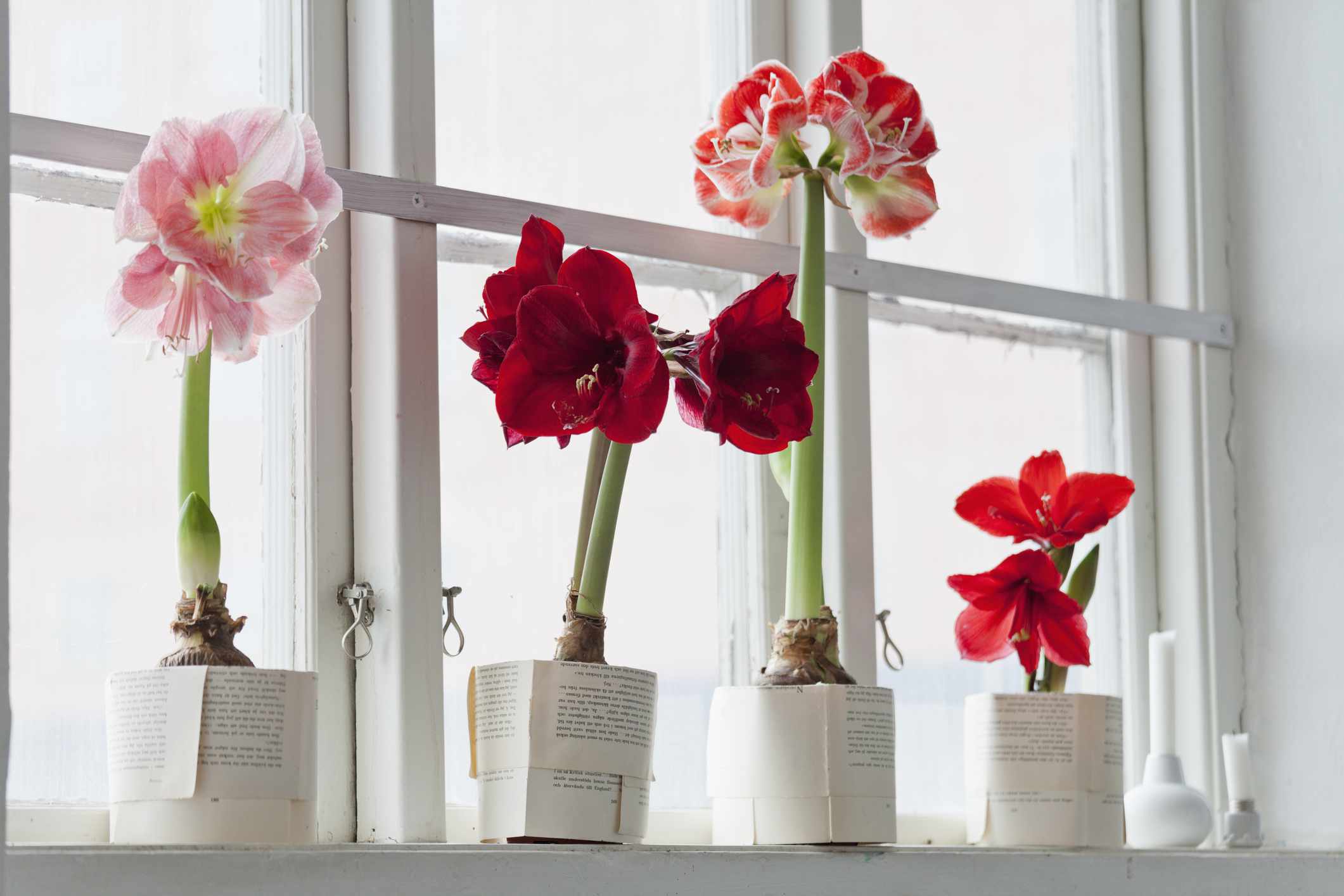
One sure sign that the holidays are here is the appearance of amaryllis bulbs on the shelves of your local supermarkets and grocery stores. These tropical plants have become classic holiday houseplants alongside poinsettias, Christmas cacti, and Norfolk pines.
While many people treat amaryllis bulbs as annuals and throw them away once they finish blooming after the holidays, these plants can be cultivated and forced to rebloom for years.
Here’s everything you need to know about how to get amaryllis to rebloom, plus expert tips for keeping this tropical plant happy indoors year-round.
Meet the Expert
Kelly Funk is the president and CEO of Jackson & Perkins, a full-service nursery based in California’s San Joaquin Valley.
What to Do With Amaryllis Bulbs After They Bloom
Credit:
The Spruce / Adrienne Legault
Once they are finished blooming, amaryllis bulbs can be grown year-round like any other houseplant. Once the flowers begin to wilt and die, cutting them off immediately is best to prevent them from going to seed, which can unnecessarily deplete the plant’s energy and resources.
Do not remove the foliage. Like any other bulb, the amaryllis needs its foliage to build its energy reserves for the next blooming period, says gardening expert Kelly Funk.
Once the old blooms are removed, place the plant in a warm, bright location and water it regularly throughout the spring and summer. Since amaryllis bulbs only bloom once or twice a year, you’ll need to keep the plant alive until the following winter to enjoy its gorgeous flowers again.
Want more gardening tips? Sign up for our free gardening newsletter for our best-growing tips, troubleshooting hacks, and more!
What to Do With Waxed Amaryllis Bulbs After They Bloom
Credit:
The Spruce / Adrienne Legault
Waxed amaryllis bulbs are a bit more challenging to take care of long-term, but possible. The wax coating means that they don’t require planting or watering during the first blooming period, but you will need to remove the wax and attempt to plant the bulb and encourage root growth moving forward.
Once the bulb has finished blooming, remove the wax coating and any wires that may have been inserted into the bottom of the bulb. Then, check the overall health of the bulb. As long as it’s still firm (rather than soft, browning, or mushy), there’s a chance it will grow roots and survive long-term.
Do not remove any foliage that is still growing from the bulb. Just as with non-waxed bulbs, it’s best to allow the foliage to die off naturally since it’s still providing the bulb with energy as long as it’s green and healthy.
Next, prepare a pot with a well-draining soilless potting mix and plant the bulb in it, leaving the top third of the bulb exposed above the soil. Moisten the soil slightly to encourage root development, but do not soak it.
Once the bulb has started to grow roots, you can begin watering the potting mix regularly.
How to Get Amaryllis Bulbs to Rebloom
Credit:
Kate Wieser / Getty Images
Amaryllis bulbs require a brief period of dormancy to rebloom in cool, dry conditions. Note that this dormancy period is not technically cold stratification.
“Cold stratification is not required for amaryllis to rebloom because they are tropical plants that do not naturally experience cold winters in their native environment,” Funk says. “They instead rely on a dormancy period of six to eight weeks.”
This period of dormancy should occur two months before you want the plant to bloom again. Since Christmas is a popular time for amaryllis blooms, the fall season is ideal for forcing dormancy in your bulb.
As fall approaches, reduce the amount of water you give your amaryllis. You will then notice the leaves getting leggy, turning yellow, and dying off. This is a positive sign that the bulb is entering dormancy. As long as the bulb is firm and healthy, your plant is doing what it should.
Amaryllis bulbs are not frost-tolerant, so they should be exposed to cool, mild conditions during dormancy. Temperatures between 45 and 55°F (7 to 13°C) are ideal.
Do not water the bulb during this two-month dormancy period. Once you see green sprouting from the top of the bulb, the plant can be watered regularly and brought out of its cool conditions. Blooms will follow soon after.
Comments are closed.