
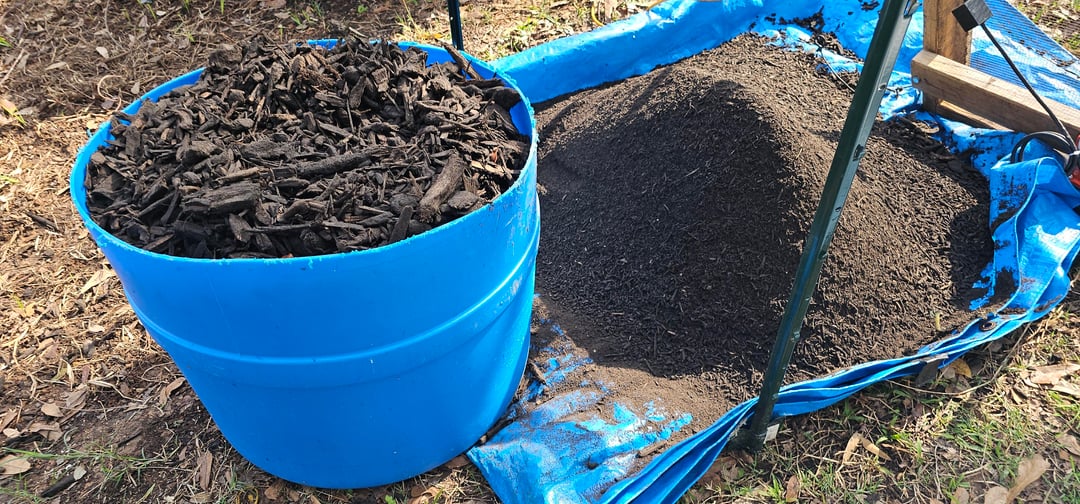
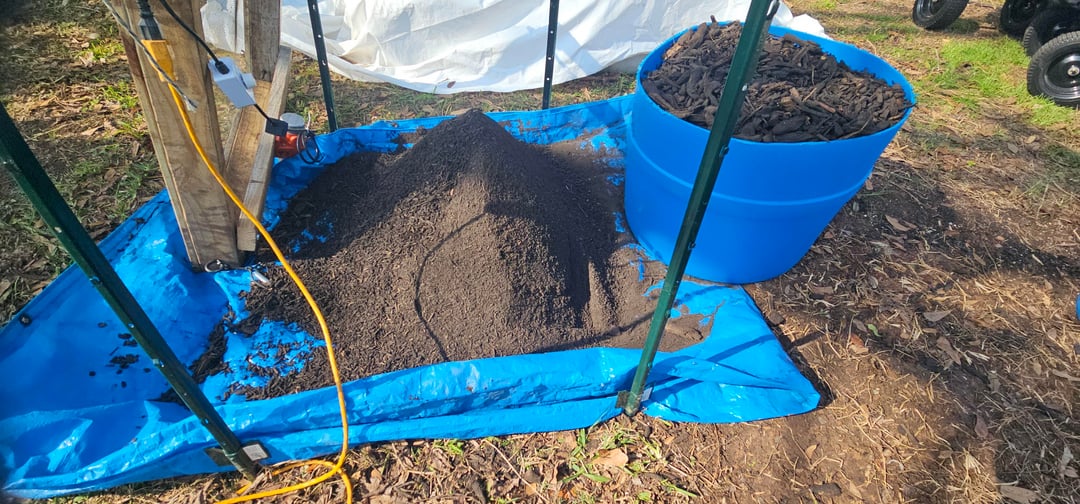
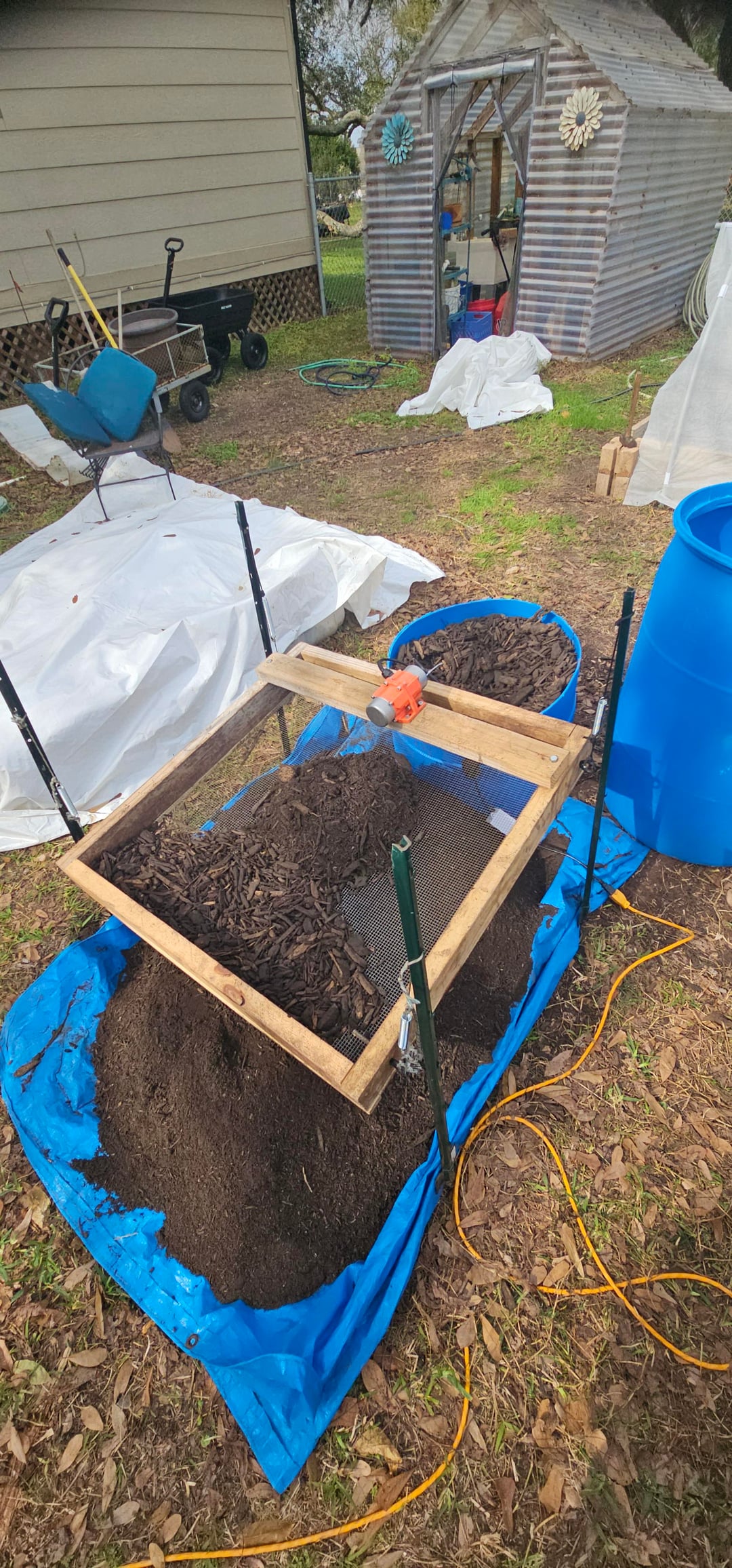
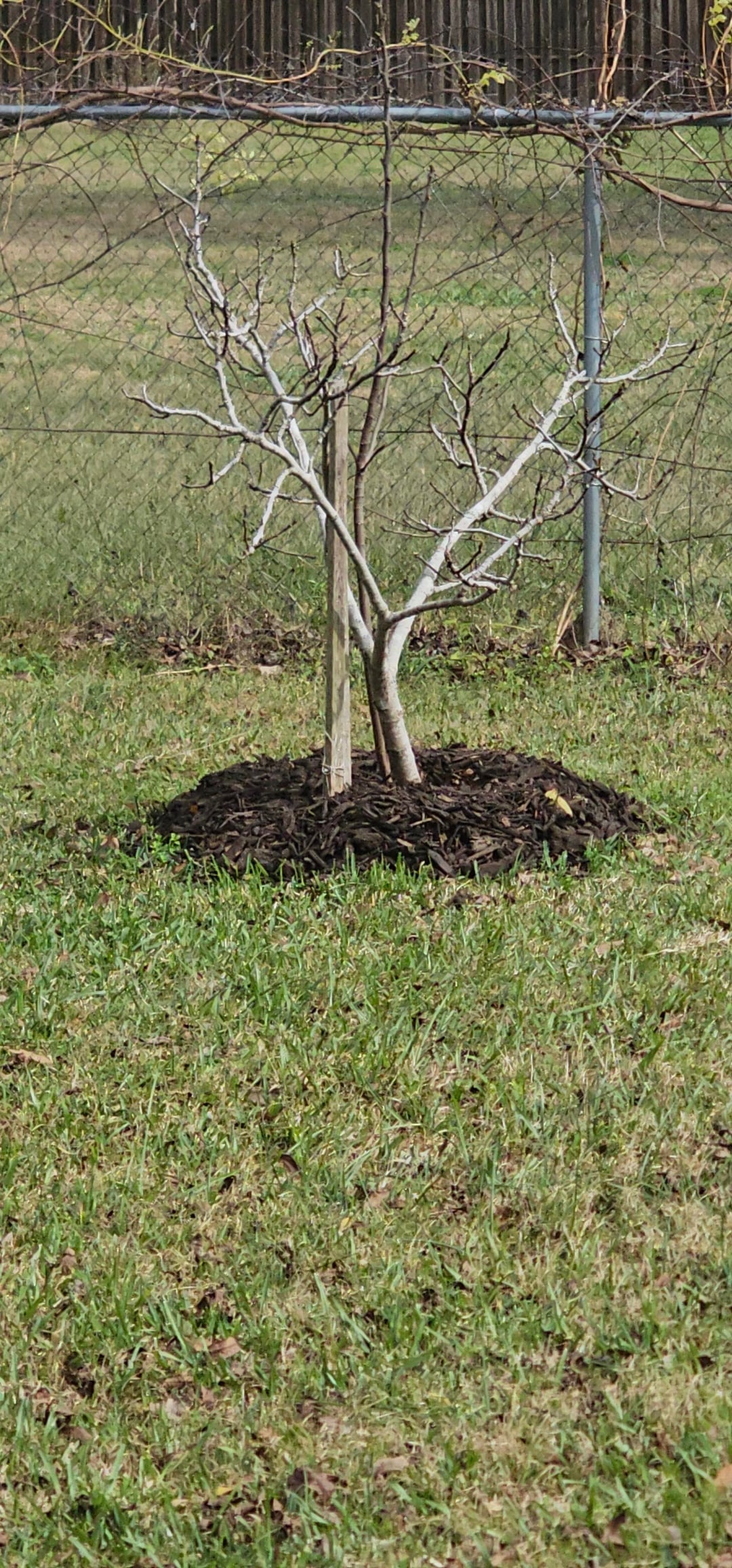

Unfortunately, I ran short of compost and did not have enough of my own creation. I need to amend several of my garden beds so I bit the bullet and purchased a yard of it from a local landscaping company. This is not created with municipal sewage waste as many commercial grade compost are (I verified the source prior to purchase) but is made with chipped wood, leaves, rotting hay and agriculture sourced manure. In my opinion, it was not aged long enough as the percentage of finished compost is 45% to uncomposted wood chips is 55%. Fortunately I have a shaker sieve to separate it. On the upside, I have plenty of mulch for my trees and flower beds. Not what I wanted but it is what I have.
If the readers are not aware of it, but if you were to use this compost straight in your garden bed, you would likely find your plants would not thrive as the decomposition process of the wood chunks would rob your soil of nitrogen.
I shake my own finished compost but NEVER get this much unfinished product.
I had to thin out my French Breakfast Radishes this morning and even though they are not yet finished, they are very tasty!
by Sufficient_Praline79
8 Comments
they actually charged for that?!
https://preview.redd.it/y0xa44jrtkcg1.jpeg?width=1868&format=pjpg&auto=webp&s=82d02841c2309f7016cda3da5a46d5129b2e130b
Sorry about the radishes photo mix up. These are what I pulled this morning. I used the other photo I found online to compare them with my wife as what they should have looked like had I let them stay in the ground longer.
I work with commercial composters, and you should know that there are many compost specifications out there that desire that mulchy texture – topdressing by landscapers, highway and roadside mulching for weed maintenance and fire risk management, orchards, etc. If you want the fine compost that you sifted, it’s a more expensive product to make on the composter side of things because it requires a finer sieve on the trommel screen, which yields less compost product overall. I agree that woody material is not ideal for a vegetable bed due to c:n ratio and lignin content locking up nitrogen, but row crop farmers might not be that composters primary market. All to say, the woody content is not a factor of compost quality, but of composting process, and that woody content is desirable by many end markets. Honestly that compost looks really good, and that composter would go out of business if they waited for all the wood particles to decompose before selling their product. It’s more likely they screen to 3/8ths minus, and reincorporate the overs into the next compost pile, and sell the “fines” as their compost. If you’re willing to sift as you shown, you’re getting the best of both worlds – compost fines along with composted mulch (there is no better type of mulch out there). As for whether it compost is aged enough, a cucumber bioassay, a CO2 evolution test, and a biological pathogens test is applied to determine if the material is sufficiently decomposed, and those tests can be requested by the consumer (at least in my state, they are required).
Tidy little shaker deck
What type of motor do you have on your screen?
Very cool setup!!!
An old urban legend that was put to bed some time back by the RHS.
It Doesn’t rob the nitrogen, it stores it and is accessible by the mycelium that work along side plant roots, it also stops it being washed out by doing this.
Wow…that is very fine grade sifter!
My goodness people overthink things in this sub. The point of compost is to increase soil organic matter. If you keep screening out the big stuff and only turning in the fines, you’re going to have to keep applying compost forever. All that big stuff is a great source of slow-release carbon, and a great habitat for mycorrhizal fungi to get to work doing the long-term work of actually improving your soil. If you’re really worried about the (marginal) effect of nitrogen scavenging, apply some seaweed or carp fertiliser as you turn it in as an initial nitrogen bump, then let it lie and become self-sustaining in the long run.
You need a well-rounded subsoil ecosystem for real soil health. Nitrogen *and* carbon. Turning in only the fines is like giving your soil an energy drink when what it really needs is a steak dinner.