
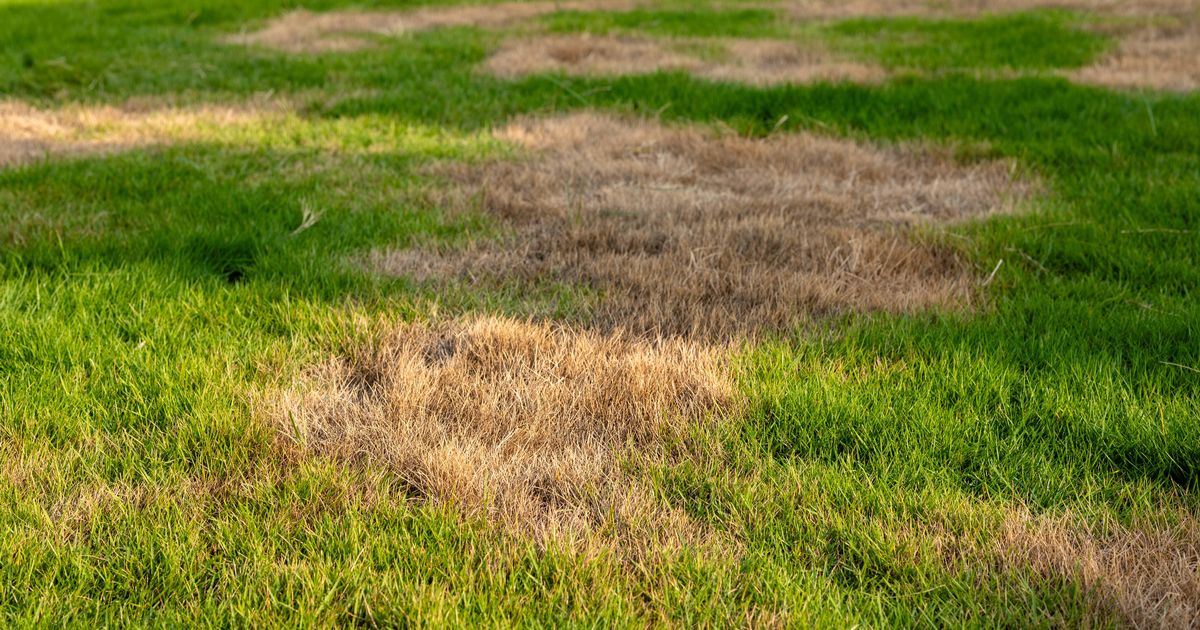
A gardening expert warned that a certain pest is becoming an ‘epidemic’ in gardens, and could be causing bald patches in your lawn without you even realising
A gardening expert warned that a certain pest is becoming an ‘epidemic’ in gardens, and could be causing bald patches in your lawn without you even realising(Image: Bilal photos via Getty Images)
As temperatures plummet across Britain, most garden plants have entered their dormant phase and require minimal care. The winter period naturally reduces the amount of lawn maintenance needed, but gardeners could be facing a pest issue that might prove problematic come spring, reports the Express.
If you’ve spotted bare patches in your garden, even during winter, it could be more than just weather damage. Gardening specialist Ish has warned gardeners to watch out for leatherjackets, which may be wreaking havoc in your garden undetected.
In a recent TikTok clip, Ish highlighted that leatherjackets are becoming an “epidemic”, particularly in newly-built properties.
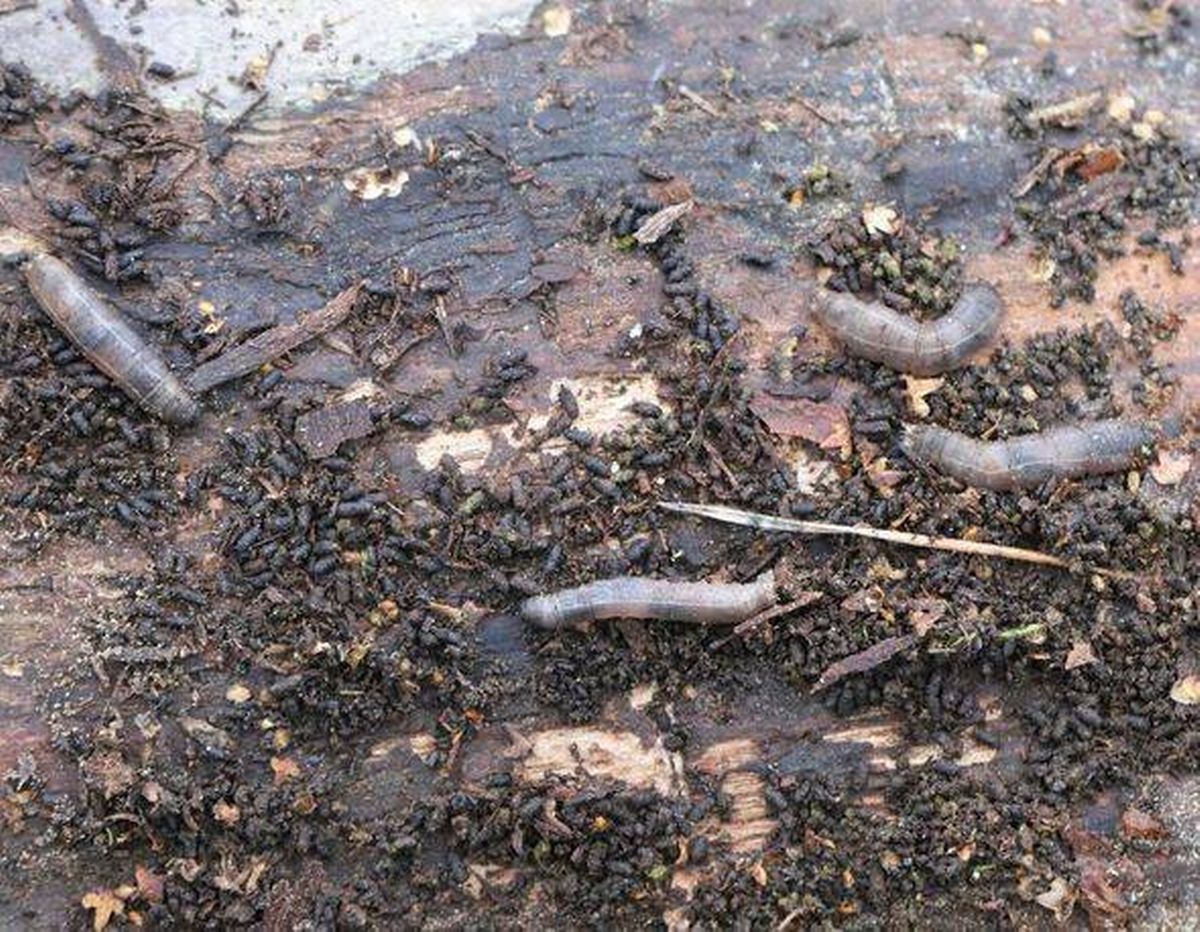
Leatherjackets feed on roots, which can kill grass and plants in the garden(Image: Getty)
How to get rid of leatherjackets
For those unfamiliar with this nuisance, leatherjackets are the larval stage of crane flies, better known as daddy longlegs. Britain is home to approximately 350 species, though many are uncommon or rare.
These pests can be identified by their elongated tubular bodies, which can reach up to 30mm in length, and display a grey-brown colouration. They’re also distinguished by their lack of legs or visible heads.
Whilst these creatures play a natural role in healthy balanced ecosystems, with most consuming decomposing organic matter or algae, certain species of leatherjackets feast on living plants, including stems and roots, which can cause garden damage leading to bare patches on lawns, according to the Royal Horticultural Society. If leatherjackets have invaded your lawn, you’ll notice yellowy-brown patches appearing as the grass dies back.
To confirm their presence, simply use a garden fork or trowel to peel back the damaged turf – you’ll spot the leatherjackets lurking just beneath the surface in the top soil layers.
Content cannot be displayed without consent
Swift action is crucial when tackling these pests, with Ish suggesting nematodes as a highly effective solution. These tiny worms are living parasites that actively seek out and destroy leatherjackets in the soil.
Combine the nematodes with tepid water in a watering can, then apply the mixture directly onto your lawn to eliminate the infestation. Ish advised doing this in the late afternoon for best results.
Both people and pets are completely safe around nematodes. The RHS states that for optimal effectiveness, the soil needs to be well-drained yet moist, with temperatures reaching at least 12°C (54°F).
Focus treatment on the turf surrounding affected patches to stop larvae migrating outwards from concentrated “hot spots” across your lawn. The nematodes typically require about seven days to work their magic.
To guarantee the pest issue has been resolved, Ish suggested repeating the treatment over a three to four-week period to ensure they’re “fully under control”.
If you want ideas and inspiration to plan your next UK adventure plus selected offers and competitions, sign up for our 2Chill weekly newsletter here
Comments are closed.