
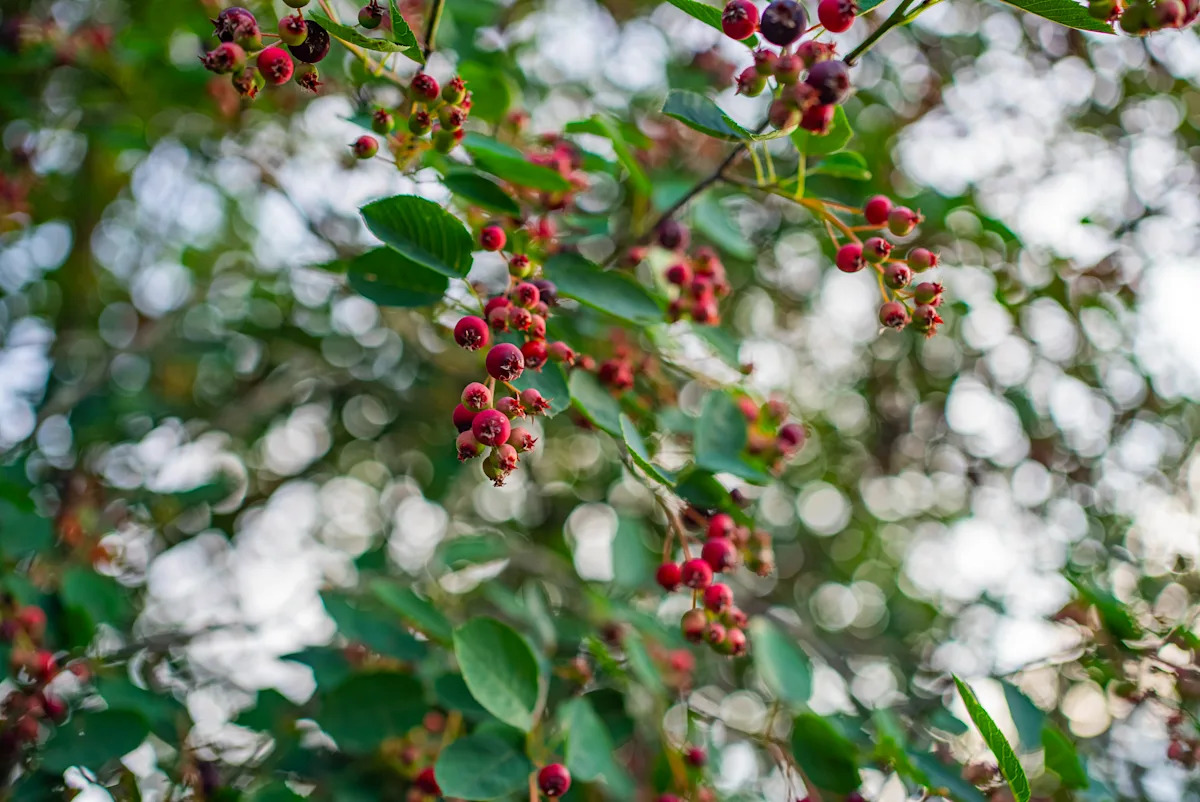
If you want to welcome more beautiful bluebirds into your yard, providing a reliable food source is one of the best ways to do it. While bluebirds primarily feast on insects during the warmer months, fruit becomes a crucial part of their diet when bugs are scarce in the fall and winter.
By planting fruit-bearing trees and shrubs, you’ll offer these vibrant birds a steady supply of nourishment and create a habitat that encourages them to return year after year.
Certain plants naturally attract bluebirds by producing the kinds of berries and fruits they love to eat. These plants serve as a lifeline during colder months. Incorporating these bluebird-friendly plants into your yard will provide a valuable food source and an inviting environment for these stunning birds.
Elderberries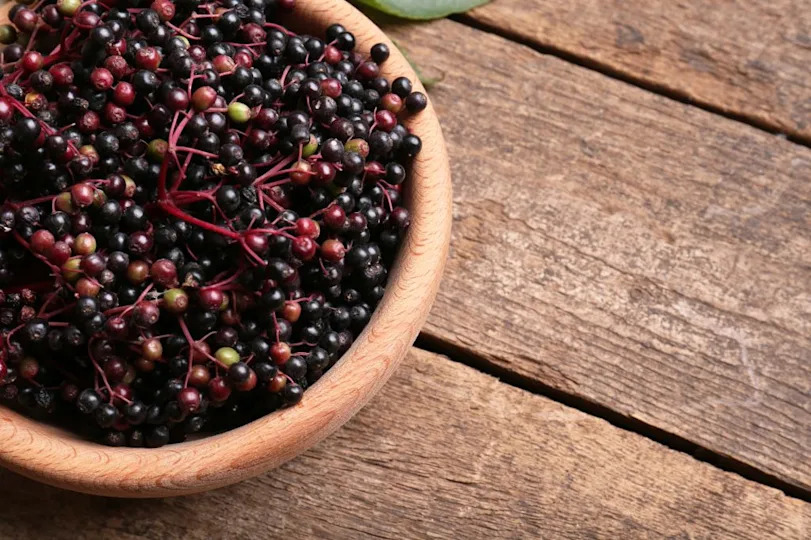
Image Credit: Deposit Photos
Elderberry bushes produce small, dark purple berries rich in antioxidants. These berries can be used for syrups, jams, and medicinal remedies, but they are also great at attracting bluebirds to your yard. Elderberries thrive in moist, well-drained soil and are a fantastic addition to any edible and dye-friendly garden.
Raspberry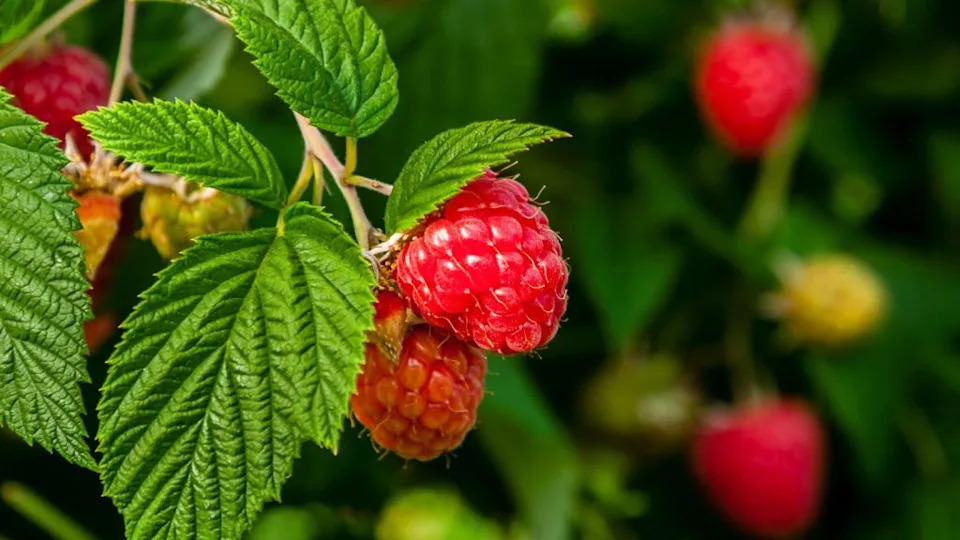
Image Credit: Deposit Photos
Raspberries are prolific producers, often providing more berries than you can eat in one season—but that’s part of their beauty. A well-managed raspberry patch can provide a bountiful harvest year after year. Having raspberries in your yard will attract bluebirds drawn to their berry taste.
Blueberries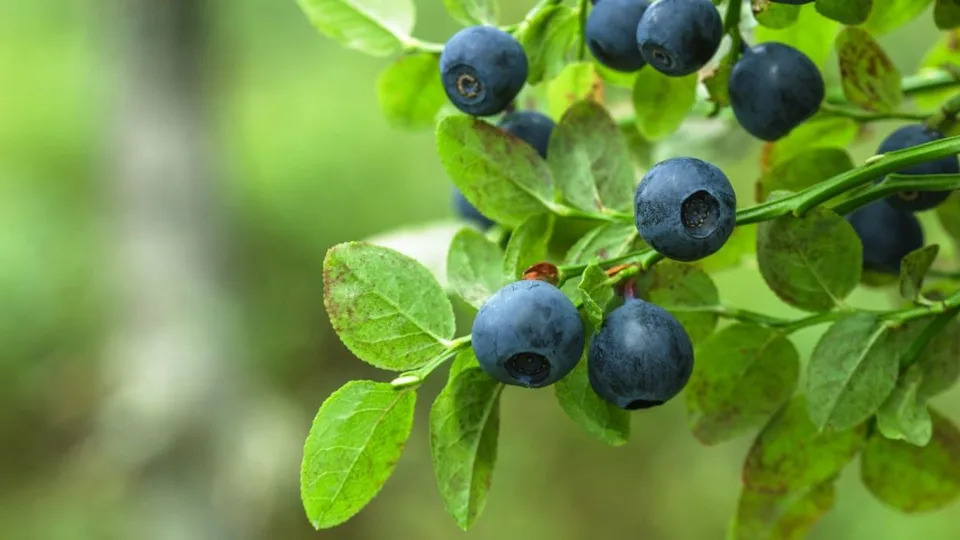
Image Credit: Deposit Photos
Blueberries bring a delightful trio of benefits: they blossom in the spring, bear fruit in the summer, and show off vibrant fall foliage. These charming shrubs add beauty to your garden and also reliably deliver delicious berries year after year. Thanks to their manageable size, blueberry bushes are one of the easier edible perennials to grow and they will attract tons of bluebirds to your yard.
Mulberry Tree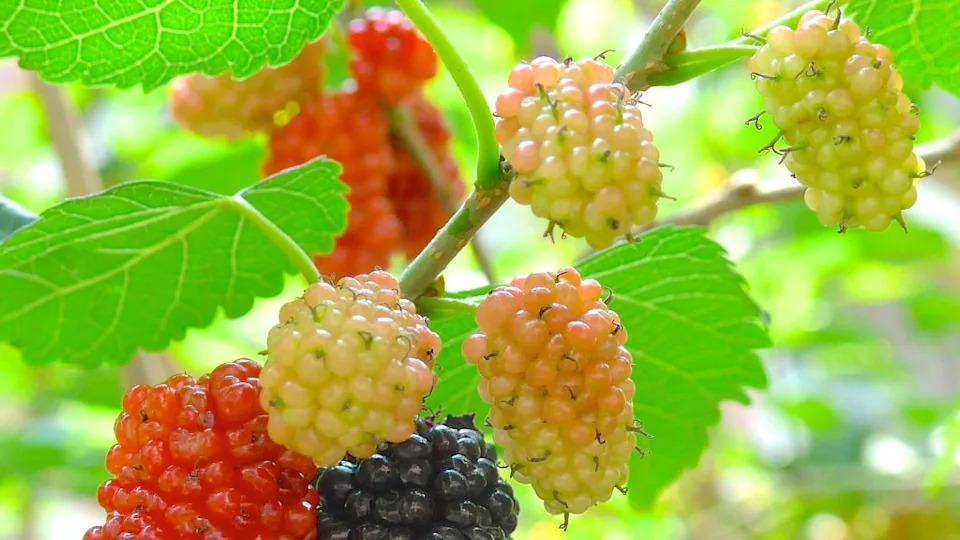
Image Credit: Deposit Photos
Mulberry trees produce an abundance of sweet, nutritious fruit. Mulberry trees attract wildlife and bluebirds. If you love seeing beautiful birds, you will want this tree in your yard.
Crabapples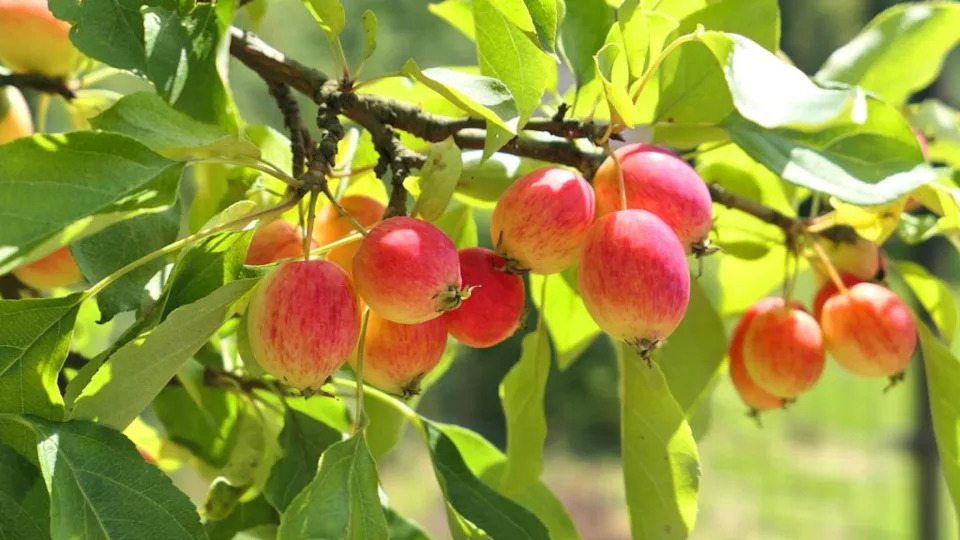
Image Credit: Deposit Photos
Crabapples are hardy little fruit trees often found in urban areas and along roadsides. These tart apples ripen in late summer to fall and are normally made into jams and jellies.
Holly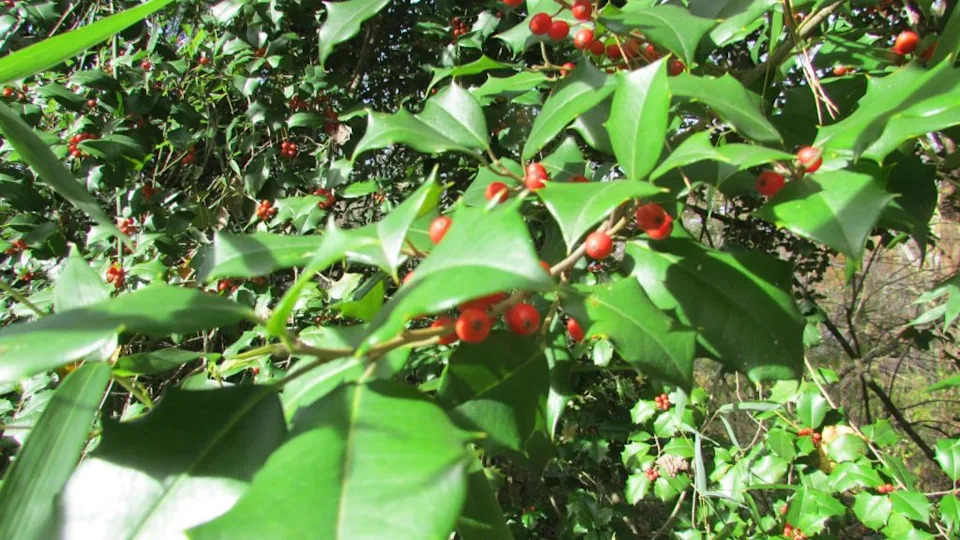
Image Credit: Chris Light, CC BY-SA 4.0 via Wikimedia Commons
Many types of holly are popular for privacy screens as many are relatively fast-growing and reach heights of 15-25 feet. Their dense, dark green foliage and red berries in winter provide year-round interest. May holly varieties also produce red berries that help to attract beautiful bluebirds to your yard.
Blackberries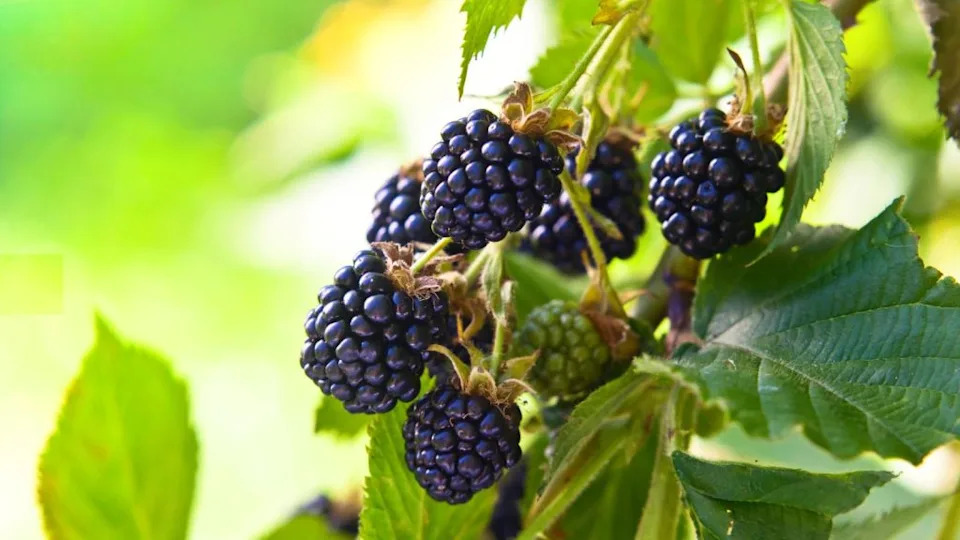
Image Credit: Deposit Photos
Blackberries grow wild in abandoned yards, gardens, and urban parks and can be found during late summer and early fall. These delicious berries can be eaten fresh or used in pies, jams, or jellies. Be cautious of thorns while foraging!
Cranberry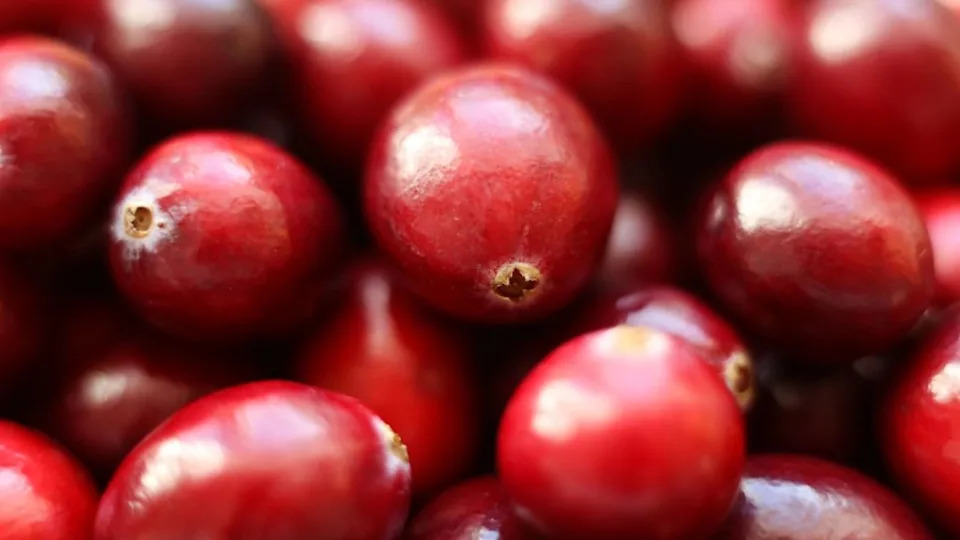
Image Credit: Deposit Photos
Cranberry plants are known to attract bluebirds. Plant this yummy fruit and see bluebirds flock to your yard.
Serviceberry (Juneberry)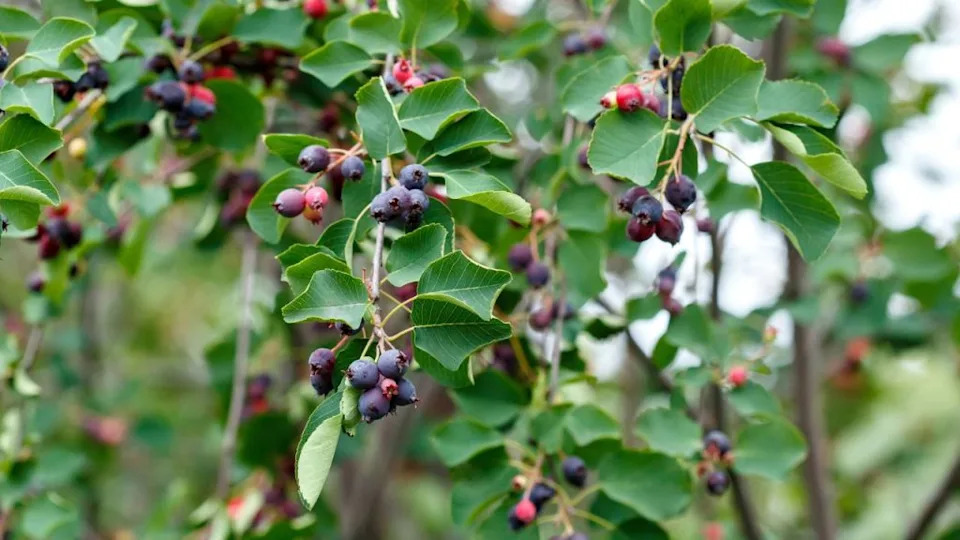
Image Credit: Deposit Photos
Serviceberry, often referred to as Juneberry, provides sweet, nutrient-rich berries that can be eaten fresh or dried. It thrives in a variety of conditions and are great for attracting bluebirds.
Viburnum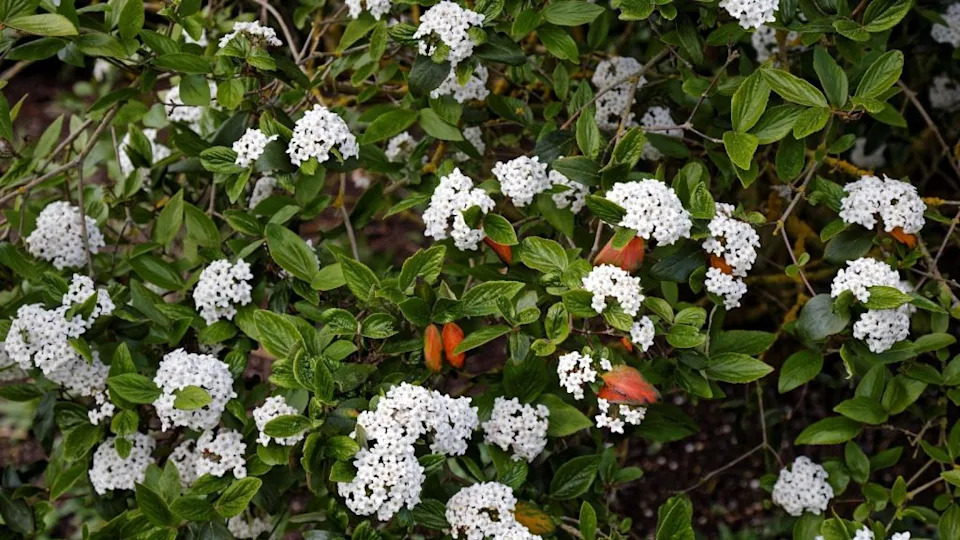
Image Credit: Acabashi, CC BY-SA 4.0 via Wikimedia Commons
Many viburnum species are fast growers, adding up to several feet of new growth each year. They offer not only privacy but also aromatic flowers and sometimes attractive berries. Heights and spreads can vary, ranging from 8 to 20 feet, depending on how pruned.
Virginia Creeper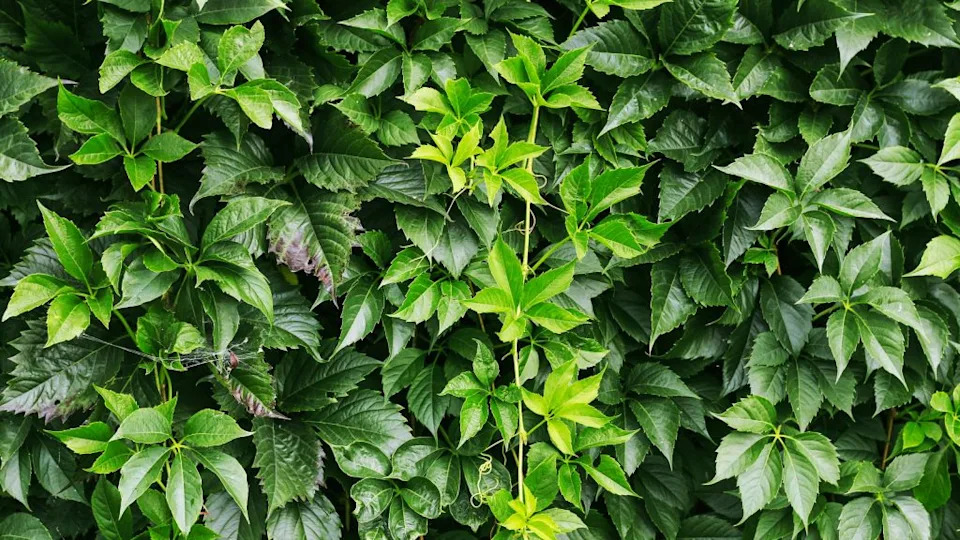
Image Credit: Deposit Photos
Virginia Creeper is a vigorous, fast-growing vine that thrives in a variety of soil types. Its dense growth provides an added layer of protection, especially in areas where loose or exposed soil is at risk of washing away during heavy rainfall. Bluebirds love this plant and will be attracted to it in your garden.
Persimmon Tree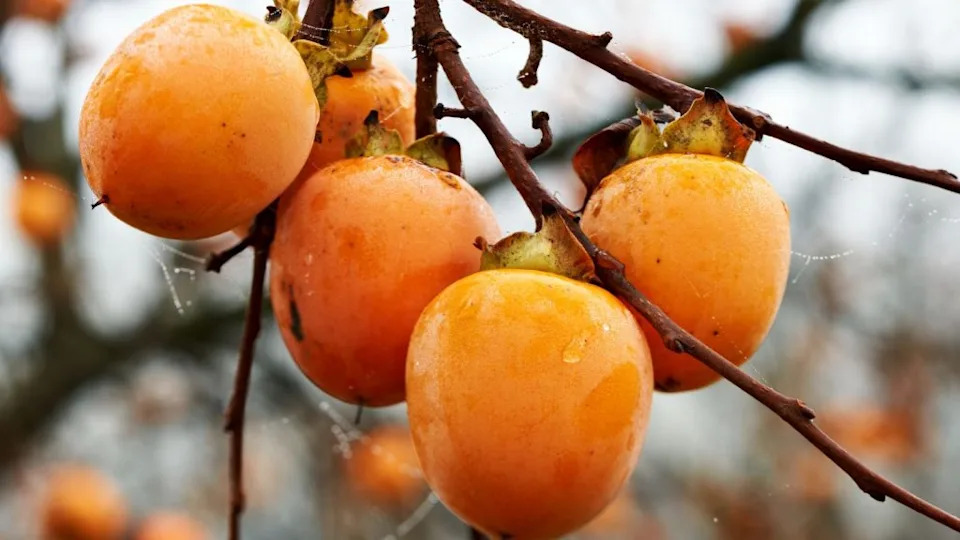
Image Credit: Deposit Photos
Persimmon Trees produce sweet, calorie-dense fruit. The fruit is also high in vitamin C, which can keep you healthy and feed the bluebirds.
Comments are closed.