
Key Points
Growing gardenias indoors lets you enjoy their fragrance year-round, but they need careful, consistent care to stay healthy.Give indoor gardenias bright light, well-draining soil, steady temperatures, and high humidity. This will prevent yellow leaves and bud drop.Repot them in spring, water deeply, and watch for pests like aphids and spider mites so the plants stay strong and continue blooming.
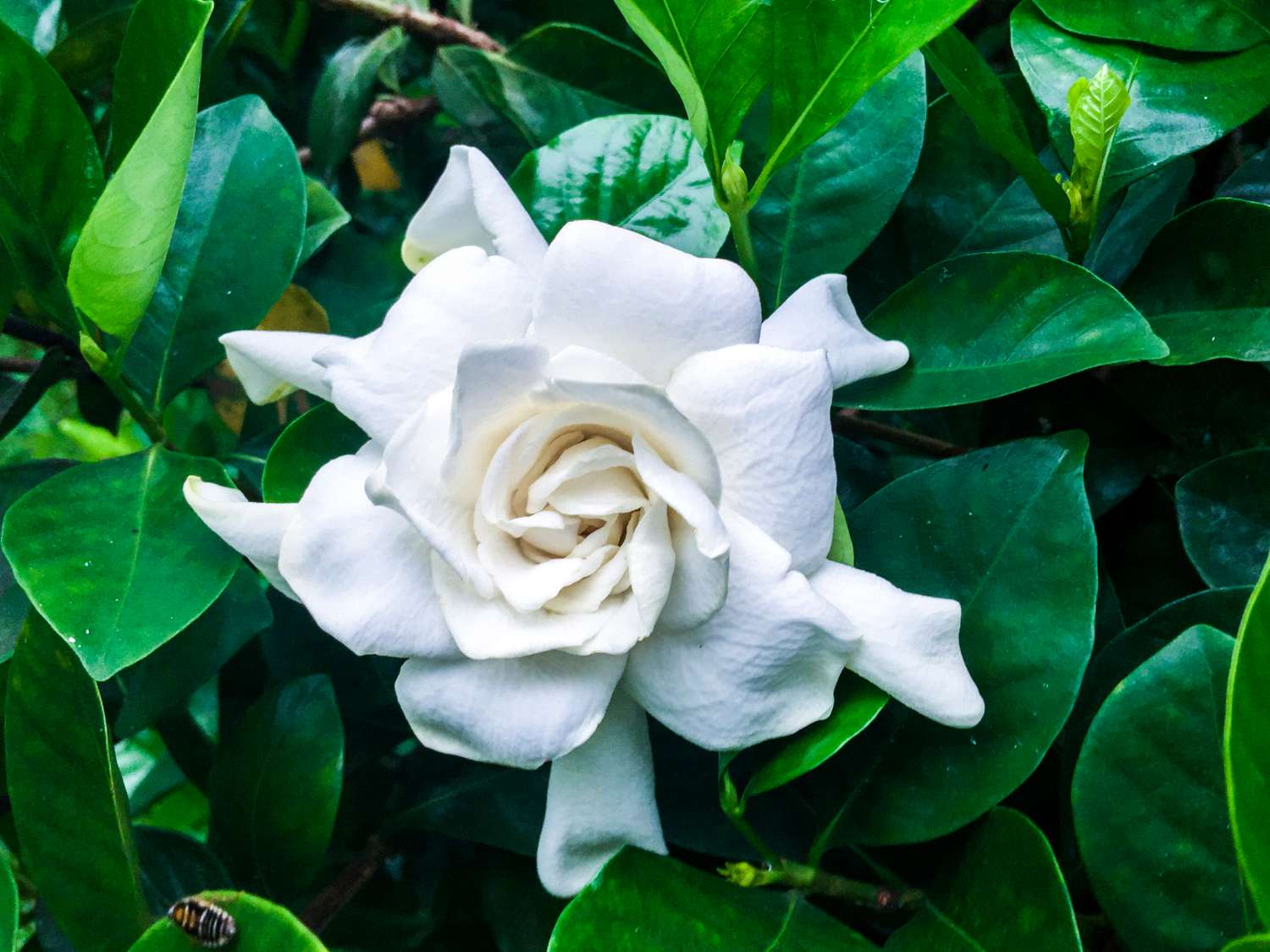
Gardenias (Gardenia jasminoides) are prized for their intoxicating fragrance, stunning flowers, and glossy, deep green leaves. However, these tropical plants can’t survive in cold weather conditions. Fortunately, they can also grow indoors so that you can enjoy their beauty and scent year-round.
These flowers are somewhat finicky, and they require careful attention—so make sure you have the proper setup in place before planting them indoors. Here, we spoke to experts about how to cultivate gardenias at home, from watering techniques to lighting requirements.
Varieties to Grow Indoors
Chris Link, co-founder of Plant Addicts, recommends choosing compact, container-friendly dwarf gardenias, such as Scent Amazing, Radicans, or August Beauty. These varieties adapt well to pots and indoor conditions. “Generally, smaller, bushier varieties are easier to manage indoors and respond positively to pruning, which helps maintain a tidy shape and encourages blooming,” he says.
Care Requirements
Cultivating gardenias at home requires careful attention to detail. When conditions aren’t ideal—such as inconsistent watering, insufficient light, or low humidity—these plants may drop their buds, and their leaves may start to yellow.
However, don’t let that intimidate you! With the proper care, it’s possible to nurture healthy, thriving gardenias indoors.
Sunlight
Gardenias require 4 to 6 hours of bright light daily, preferably near a sunny, east or south-facing window. If natural light is insufficient, then Link recommends using a grow light to support bud formation and flowering.
Soil
Gardenias thrive in well-draining, acidic potting mix. “They prefer soil with a lower pH, and good drainage helps prevent root stress, which can lead to yellowing leaves or bud drop,” says Link. A potting mix formulated for acid-loving plants is an excellent choice.
Temperature
Maintain gardenias at a consistent temperature of 65 to 75 degrees Fahrenheit during the day, with slightly cooler temperatures at night. “Avoid drafts, sudden temperature swings, or placing them near heating vents,” says Link. This can stress the plant and cause bud drop.
Humidity
“This is the make-or-break factor indoors,” says Link, as gardenias are very sensitive to humidity levels. Aim for 50 to 60 percent humidity or higher. “A humidity tray, grouping plants, or a small humidifier can dramatically improve performance and reduce bud drop,” he says.
Buying a humidity gauge is a great way to guarantee optimal levels.
Fertilizer
During active growth, feed your gardenias with a fertilizer that’s designed for acid-loving plants. “Consistent, light feeding helps support glossy foliage and more reliable blooming, especially indoors, where conditions are less intense,” says Link.
How to Repot Gardenia
“The ideal time to repot gardenia is in spring or early summer, when it’s actively growing,” says Richard Anderson, co-founder of Plant Addicts. He recommends selecting a pot with good drainage holes, so excess water can escape, which will prevent root rot and fungal issues.
Remove the current plant. Tip the pot on its side and carefully slide the gardenia out while supporting the stem base. Take it slow—don’t yank the plant out.Loosen the roots. Loosen the root ball to reduce circling or matted roots from growing in the pot. Add fresh soil. Fill the bottom of the larger pot with about 2 to 3 inches of new potting mix. “Gardenias thrive in slightly acidic soil with a pH of 5 to 6,” says Anderson. Avoid using heavy garden soil that can retain excessive water.Position the gardenia. Place your gardenia in the new container at the same depth as it was previously planted. Adjust the soil under the root ball as needed to ensure the plant remains upright and level.Fill and level the soil. Fill in around the root ball with potting mix until the soil reaches the base of the stem.Water thoroughly. Lightly firm the soil surface with your fingertips, then water the gardenia deeply until water runs out of the drainage holes.
Pest Control
Insects such as aphids, spider mites, mealybugs, and whiteflies are attracted to gardenias, so it’s important to monitor them for pests. You can use organic products like neem oil for pest prevention or to mitigate infestations.
To spot pests, look for yellowing or stippled leaves, sticky residue, cottony white masses, fine webbing, or black sooty mold. If you spot signs of infestation, start treatment right away.
Frequently Asked Questions
How long do gardenias live?
Depending on the care they receive, gardenias can live anywhere from 15 to 50 years.
Are gardenias toxic?
Do gardenias make good cut flowers?
Gardenias are excellent cut flowers due to their delightful fragrance. However, they have a short vase life of 1 to 2 days, which can be extended to 5 days with proper care.
Comments are closed.