
Key Points
Hydrangeas are perennial only in the right climate and if they’re properly overwintered.Choose cold-hardy varieties, and plant them in moist, well-draining soil.Protect the buds with mulch or burlap during the winter.
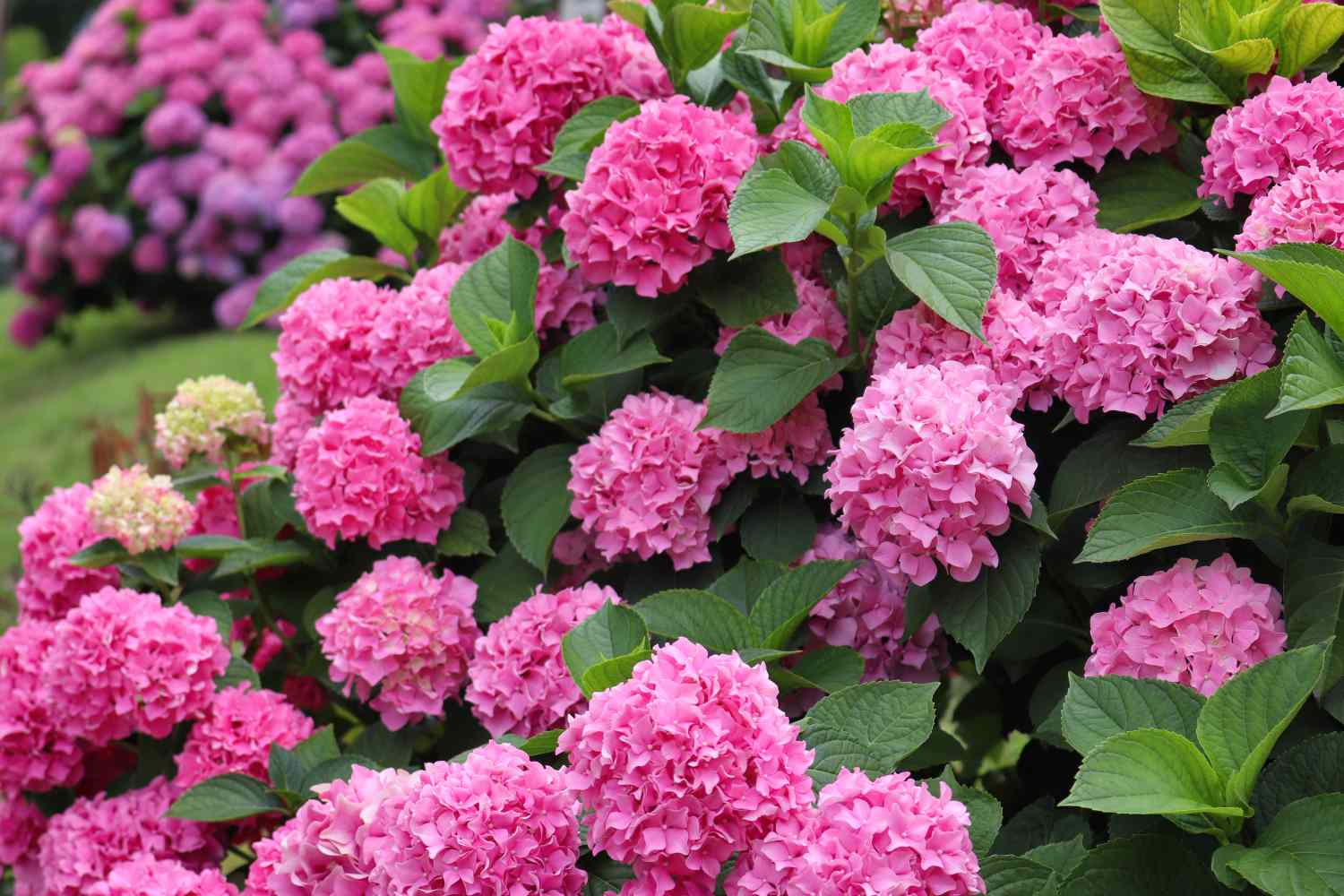
Hydrangeas are a garden’s true showstoppers. They have vibrant blossoms and are known for their adaptability and ability to regrow; however, they don’t always bloom year after year.
Therein lies the problem—are hydrangeas perennials or annuals? And how can you ensure that they not only come back, but also bloom every year? Ahead, gardening experts share some tips and tricks that will keep this star of the garden looking dazzling.
Lorraine Ballato, author of Success with Hydrangeas and resident hydrangea expert at the New York Botanical Garden
Maksim Kazakou, resident botany expert at Plantum, an app that helps identify plants and improve plant care
Jennifer Petritz, horticulturist and president of the American Hydrangea Society
Are Hydrangeas Perennials?
Yes and no. Depending on the climate, all hydrangeas can be perennials. For example, if you grow yours in a colder zone than it’s rated for, it will certainly be an annual, as it won’t revive in the spring.
When growing hydrangeas, you must always consider your growing zone, proper overwintering protocols, and the plant variety. This will ensure that your hydrangeas come back.
Choosing the Right Variety
Before buying any hydrangea variety, check that it’s compatible with your region’s climate.
If you don’t know your USDA hardiness zone, then you can use an online service that will determine yours based on your zip code, says Maksim Kazakou, botany expert at Plantum. “In a moderate climate, I recommend growing Hydrangea paniculata or Hydrangea arborescens,” he adds. “The latter requires minimal care.” They can be grown in USDA hardiness zones 3 through 8. Other popular hydrangea varieties, like Hydrangea macrophylla, are less hardy.
Most of the garden-worthy species would be classified as woody, hardy shrubs, although there are also some climbers. “These are perennial in the sense that they come back every year after a period of dormancy,” says Jennifer Petritz, horticulturist and president of the American Hydrangea Society. “[However], they aren’t herbaceous perennials that flush all new growth from the crown.”
Soil and Sun
Where you plant your hydrangea also matters. “Make sure the soil is water retentive, and if not, add compost to adjust that, and make sure the plant gets adequate moisture throughout the season, so it doesn’t get stressed,” says Lorraine Ballato, author of Success With Hydrangeas.
Hydrangeas don’t tolerate drought, so it’s best to grow them in wet but well-draining soils. The site you select should also get at least half a day of sun (morning sun is ideal). Fertilize it with a granular product that’s formulated for shrubs. “Rose food is actually ideal and very easy,” adds Ballato.
Proper Overwintering
Hydrangeas vary in winter hardiness and frost resistance, says Ballato—but in colder climates, they need to be protected.
For example, if you have a potted hydrangea, then bring it indoors and place it somewhere warm so it won’t freeze. Water the plant once a month so that the roots will stay moist until spring—then, the plant can again be moved outdoors.
If your hydrangea is planted outside, then low temperatures will damage the flower buds—or even the entire plant if it’s not properly overwintered. To prevent this, wrap the buds in burlap, which will protect them from hard frosts. The flowers can be left alone to provide more visual interest in winter.
Ballato recommends building a cage with chicken wire and stuffing the cage with leaves and straw to provide insulation. “Some gardeners wrap the cage in burlap and bubble wrap,” she says. They might also rely on a shed or a nearby fence, which can serve as a screen against icy winds.
Finally, apply a generous layer of mulch—about 12 inches—around the base of your plant to help insulate it. Make sure your hydrangea gets enough water in the fall so that it’s prepared for its winter dormancy.
Proper Pruning
Most gardeners don’t have any issues getting hydrangeas to come back in the spring, says Petritz—it’s getting them to bloom that’s often the dilemma. This is often due to being pruned at the wrong time. “Pruning hydrangeas that bloom on old wood should stop by mid-summer in most zones,” she notes. “This allows the plants to set buds for the following spring.”
Plants that bloom on new wood (the current year’s growth) can be pruned in late winter or early spring. Examples of old wood hydrangeas are Hydrangea macrophylla, Hydrangea serrata, Hydrangea quercifolia, and most of the climbing hydrangeas. Examples of new wood hydrangeas include Hydrangea paniculata and Hydrangea arborescens.
Comments are closed.