
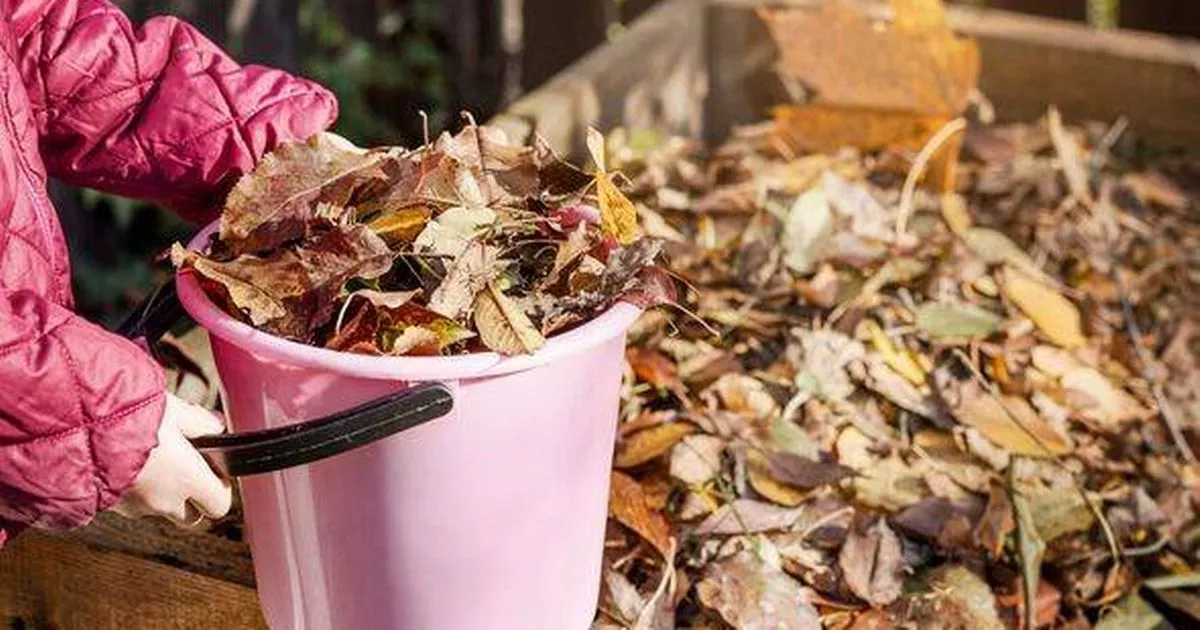
BBC Gardeners’ World Magazine has shared information on an “effective” and “completely free” soil improver that can be made in your garden – and it’s one you’ve likely got to hand
Matt Davies Trendswatch Reporter
14:35, 19 Nov 2025
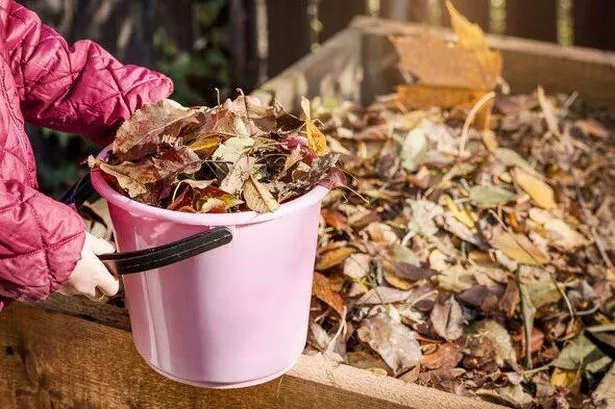 Leafmould is generated entirely from decomposed leaves(Image: Getty Images)
BBC Gardeners’ World Magazine’s Catherine Mansley recently revealed a “completely free” and “effective” gardening material that can give your soil a significant boost. Speaking on the publication’s dedicated podcast, she described this soil improver as “like magic”.
In a recent episode, Catherine stated: “It may not be sexy, and it certainly isn’t about instant gratification, but it is free and easy,” before revealing that she was referring to “talking about leafmould”. She described leafmould, a conditioner formed from decaying leaves, as one of the “easiest, most effective, and completely free soil improvers you can make at home”.
Unlike traditional compost, which might include kitchen scraps and garden waste, leafmould is made entirely from decomposed leaves and is “like magic” for soil structure, according to Catherine.
She further explained that leafmould can lighten heavy soil and help sandy soil retain moisture. It also “boosts soil life”, making it popular with both worms and microbes.
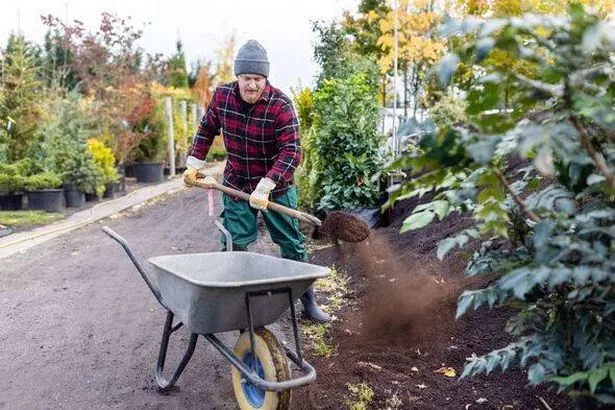 Catherine Mansley discussed a soil improver she says is “like magic” for its structure(Image: Getty Images)
Catherine emphasised that leafmould is free, and autumn is the best time to start making it due to the abundance of fallen leaves. Both Catherine and the Royal Horticultural Society (RHS) recommend using beech, oak, or hornbeam leaves for the best results, reports the Express.
To create your own leafmould, Catherine advised people to collect up their leaves, ensuring they poke some holes (if you opt for black bin bags) for air and to release any additional moisture.
Ideally, your leaves should be akin to a “damp sponge” (this means you may need to add water if necessary), then simply tie up the bags or leave your heap and allow nature to “do the rest”.
The RHS says leafmould that is more than two years old may be used for the purposes of seed-sowing compost.
It can also be mixed with compost, soil, and sharp sand for potting compost.
It also pointed out that all leaves (and indeed conifer needles) will, in time, break down into leafmould.
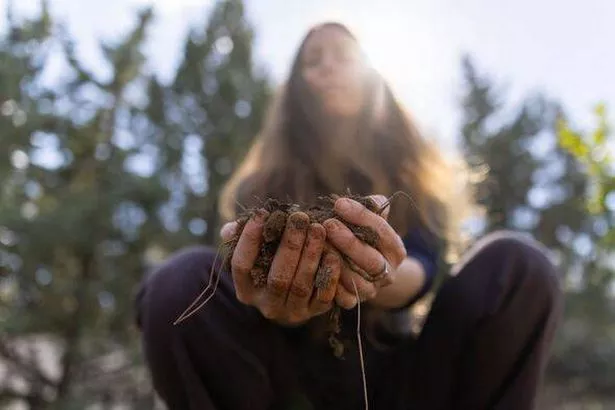 A “completely free” material that’s simple to make and “effective” will give your soil a boost(Image: Getty Images)
Thicker species such as horse chestnut, sycamore, and walnut, however, must be shredded before putting them on your pile.
It’s worth noting that leafmould that is less than two years old still has its uses, the RHS adds, including as a soil improver, mulch, or lawn top-dressing over the autumn.
It went on to stress that gardeners should aim not to use the material on any areas where weed seeds could present an issue, as your heaps of leafmould could potentially be “colonised” by them.
Another possible problem could be that the gathered leaves are contaminated with litter if collected from the streets.
To address this, the RHS suggested that people simply sort them before using them.
You can learn more about leafmould on the Gardeners’ World website.
Comments are closed.