
Kim Frisbie
| Special to Palm Beach Daily News
We all need shade trees but sometimes have limited available space. In South Florida’s hot, humid climate, shade is one of the most important assets of any given property or environment. My own garden is small, but I treasure the shelter of several beautiful shade trees and the hammock beneath them where I can retreat, even on sweltering 90-degree days. Palms are graceful and iconic, but they rarely cast broad, cooling shade unless planted in groups. Fortunately, there are many smaller native shade trees that will delight you with fragrant blossoms, striking bark and manageable size without overwhelming the landscape.
Here are a few of my favorites:
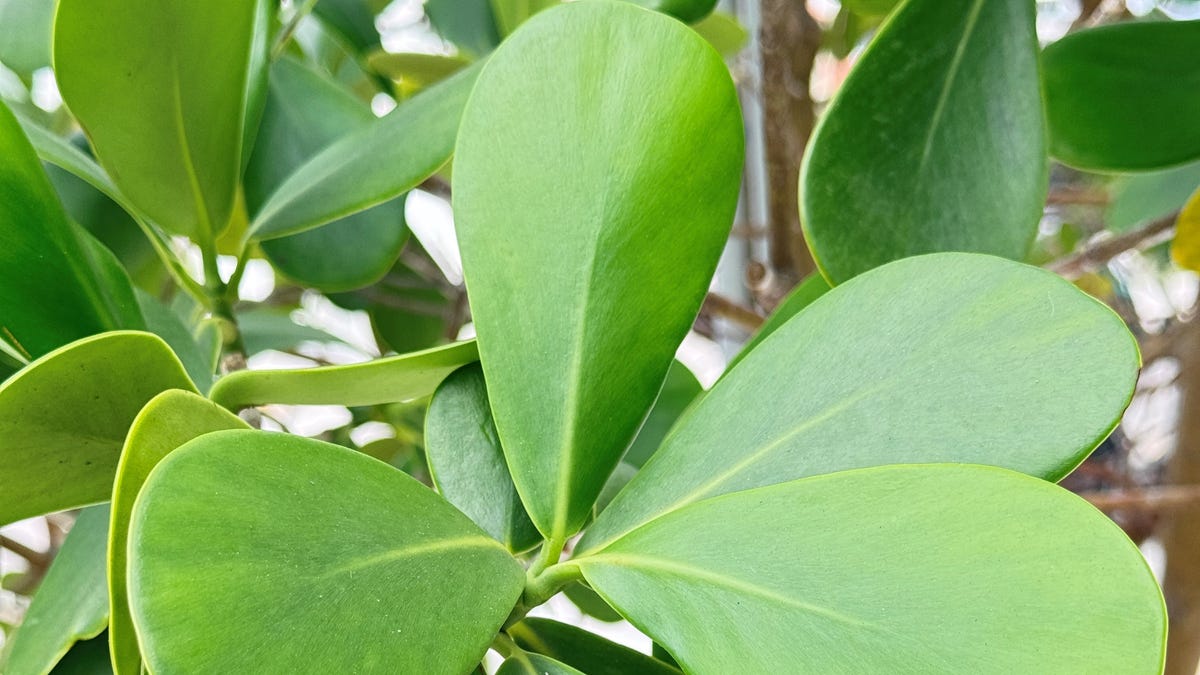
Clusia rosea, known as the pitch apple or autograph tree, makes an excellent specimen for smaller spaces. Many are familiar with the clusia hedges that have become the popular replacements for ficus benjamina, but those are typically clusia guttifera, the little-leaf clusia, which is not native and risks creating yet another monoculture if overused. By contrast, clusia rosea is a superb small tree with a rounded, symmetrical crown of dense foliage that casts generous shade and thrives in challenging conditions, tolerating salt, drought, and wind with ease.
In summer, its large pink-and-white flowers open at night and linger through cloudy mornings, followed by green, fleshy fruits that ripen to brown and split open to reveal clusters of bright red seeds. These seeds draw birds and other wildlife, and germinate readily, often producing seedlings nearby. The sticky resin surrounding the seeds once served early settlers as boat caulking, hence the name “pitch apple.” Its thick, smooth leaves also retain any marks scratched into them, giving rise to its other common name, the “autograph tree.”
Clusia rosea adapts well to a variety of soils, including sandy coastal areas, and thrives in either sun or partial shade. Like ficus, it produces aerial roots that can spread if left unchecked, but this same trait allows it to form a striking screen. Its dense, evergreen canopy not only creates cooling shade but also offers excellent cover and nesting habitat for birds and other wildlife.
Satinleaf, Chrysophyllum oliviforme, is a stunning ornamental and one of our most overlooked native shade trees. Growing 25-30 feet, it is perfect for a smaller property and the coppery undersides of the long glossy green leaves create a beautiful display when rustled by the wind. Small yellowish white flowers in fall become dark purple berries relished by birds and wildlife. While this makes a lovely specimen tree, it can also be incorporated into a hedge or background planting where the foliage will add texture and interest. This does well in full sun or light shade but does need adequate moisture to become established. Listed as endangered in the state of Florida, this tree should be more widely planted and enjoyed.
Mahoe, Hibiscus tiliaceus, is fast growing and very salt tolerant, making it a wonderful choice for low coastal regions where it will provide welcome shade. Showy yellow cuplike flowers have a deep red center; these open yellow and gradually turn pink and finally red as the day progresses. The flowers are edible, as are the heart shaped leaves when young. Reaching 20 -30 feet, this can be grown as a dense multi stemmed tree or pruned to a single stemmed specimen. The variegated form, with tricolor leaves of green and white with splashes of red, is popular for its unique marbleized foliage.
Fiddlewood, or citharexylum fruiticosum, is another great shade tree for smaller spaces, thriving in full sun and reaching a height of only 20 feet. While this is naturally multi stemmed, making it great in a mixed hedge or border, it can easily be shaped to a single trunk and makes a beautiful specimen tree. The shiny green foliage glistens in sunlight and makes a perfect foil for the fragrant white flowers that appear in clusters from spring to fall. These attract butterflies and other pollinators and are followed by showy racemes of reddish-brown berries sought after by birds and other wildlife. Despite its delicate appearance, this is resistant to hurricane force winds, making it a great choice for any open windswept location.
Gumbo limbo, or bursera simaruba, can reach fifty feet but fits beautifully into smaller landscapes as it responds well to pruning. I love this tree for its striking, peeling bark in shades of cinnamon and bronze, and for the shade it casts over my hammock. There’s nothing more peaceful than swinging in a soft breeze, gazing up through its airy canopy of glossy green leaves and the orchids clinging to its upper branches. Fast-growing and dependable, gumbo limbo quickly offers welcome shade and stands up to salt, drought, and even hurricane force winds. It isn’t particular about soil, and its resilience extends to propagation: simply plant a pruned branch in the ground, and within a couple of months it will take root and grow. The small dark-red berries draw a variety of birds, from flycatchers and orioles to vireos and doves. As they age, the trees often acquire contorted, sculptural sihouettes that add to their beauty and character.
While our native trees are terrific, there are many Florida friendly tropicals that add to the beauty of our gardens, and it’s fun to be able to recognize some of the trees blooming in the fall. Magnolia champaca, the champak or joy perfume tree, is glorious now with stunning fragrant orange- yellow blossoms and long clusters of light green globular fruits.
This fast growing evergreen is prized for its fragrant flowers, the oil of which is used in perfumes and medicinally, and the flowers also produce a lovely yellow dye. Lustrous green elliptical leaves can be up to 8inches in length. Reaching a height of 30 feet, the straight trunk and cylindrical crown make this a wonderful ornamental, and the wood is valued for furniture and cabinetmaking. Champaka is considered one of the most sacred trees in India and S. Asia, and fossil records date its Magnolia genus back 100 million years. Visit Bradley Park to see one currently in bloom.
The Silk Floss tree, Ceiba speciosa, is another tropical ornamental that’s difficult to miss this time of year, as it’s covered with glorious pink and white or yellow five petaled blossoms. This rounded deciduous tree loses it leaves when flowering, giving it an even more impressive look. The greenish bark is covered with sharp, thick thorns thought to prevent animals from climbing up, but more likely to conserve moisture. These are impressive for their sheer size and ferocity. This tree grows quickly and can reach an ultimate height of 40 feet with an equal spread. Pear shaped woody fruit capsules are filled with silky floss once used to stuff pillows. Both the yellow and pink varieties can be seen in Bradley Park.
Finally, Calliandra haematocephala ‘alba’ the white powder puff tree, is also flowering now. This small evergreen tree is native to South America, grows to 20 feet, and has wonderfully fragrant flowers in late fall and winter. Vase shaped, with an 8 to 12 foot spread, new leaves emerge a vivid pink, deepen to coppery red, and finally mature to a rich green.
While planting natives remains essential for supporting pollinators and sustaining healthy ecosystems, it’s also worthwhile to recognize and appreciate some of the tropical ornamentals that have found a home here. Understanding them deepens our awareness of the remarkable diversity of plants that flourish in South Florida’s unique climate.
Comments are closed.