
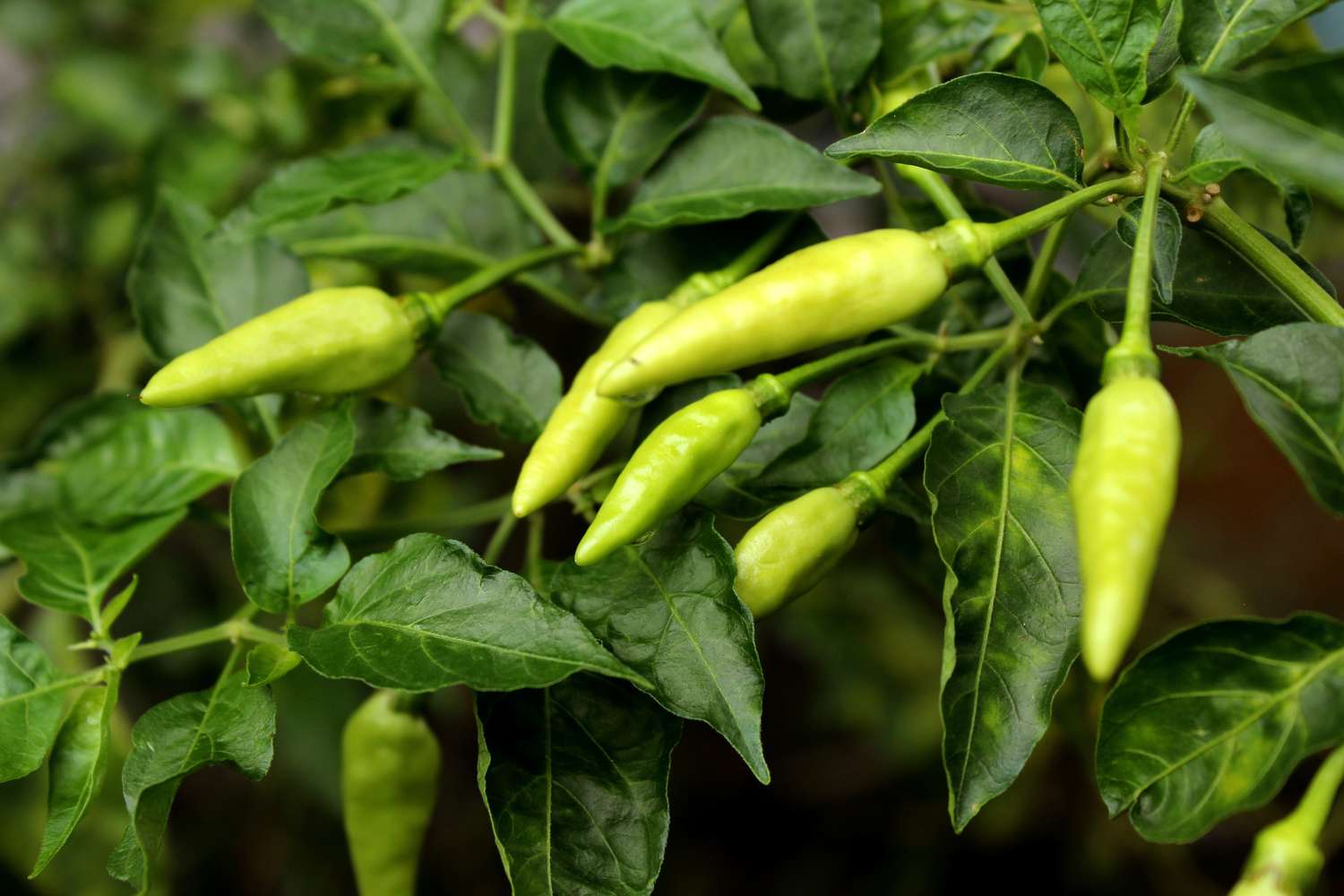
Pepper plants are grown as annuals since they don’t survive the cold in many areas. They’re actually perennials, but they can’t handle freezing temperatures. Instead of tossing them out with your garden debris, bring them indoors for a jump on next year’s garden. Overwintering your pepper plants means you don’t have to start from scratch again next spring and you’ll have an earlier harvest than if you start the plants from seed. While overwintering can be time consuming, it will be worth it in the spring when their established root systems and faster growth lead to abundant harvests. It’s especially helpful, too, if you find a pepper variety that you love because you may not be able to find it again next spring. Pot up your pepper plants and bring them indoors with these tips for overwintering your peppers.
When To Begin Winterizing
Winter preparations for pepper plants begin when nighttime temperatures begin to dip below 50ºF. Anything below 40ºF can damage the plant and freezes will kill it. If you live in a warm climate, you can take steps to winterize your pepper plants outdoors to keep them safe from cold snaps.
How To Overwinter Peppers
Small, hot varieties like habaneros and jalapeños are easier to overwinter since they do well in pots, but any pepper variety can be overwintered with proper care. You can overwinter them outdoors in warm climates or as houseplants or dormant plants in colder regions. Keeping them as houseplants requires a bit of work, while overwintering outdoors requires minimal effort. The ideal temperature for pepper plants during winter is 55 to 60ºF. Before you move them indoors, move them to a shady spot in your garden to gradually reduce sun exposure and prevent shock when you move them inside for the season.
Overwinter In The Garden
If you live in an area that is frost-free during the winter, USDA Plant Hardiness Zone 9 and up, you can overwinter pepper plants outdoors with some protection. Reduce watering and add a layer of mulch to insulate the soil. Use a frost blanket during cold snaps or move potted peppers indoors.
Overwinter As A Houseplant
Potted plants should be brought indoors when the temperatures begin to fall below 50ºF.
Plants growing in the garden need to be dug up carefully to avoid disturbing the roots. Shake off any excess soil and place the plant in a pot with fresh, well-draining soil. To prevent shock, water the plant thoroughly and keep it out of direct sunlight for a couple of days.
Prune the plant to remove any dead or diseased branches, immature fruit, or flowers. Inspect the plant for garden pests and treat it with insecticidal soap to ensure the plant won’t harbor pests over the winter or expose other houseplants to them.
Place the potted pepper plant in a sunny window that faces south or west.
Use a humidifier to increase moisture if the air in your home is dry. Water when the top few inches of soil are dry, but don’t let it become soggy. There’s no need to fertilize during winter.
Although pepper plants aren’t likely to bloom indoors, you can use a grow light for 14 hours a day if desired.
Overwinter Dormant Plants
Transfer peppers from the garden into pots or bring potted peppers indoors before the first frost. Place them in a cool, frost-free location that stays around 55 to 60ºF, such as a garage or basement.
Prune the plants to remove all of the smaller stems and leaves so you are left with only the main branches. This helps the plant conserve energy during dormancy.
Set the pots in an area that gets some sun during the day.
Water every three to four weeks.
How To End Dormancy
To end dormancy, about six weeks before the last expected frost date, move the plant to a warmer, sunnier location and increase watering. Apply diluted liquid fertilizer, and move the plant outdoors during the day and back indoors at night to harden it off. Once nighttime temperatures consistently reach 50ºF, you can move the plant outdoors again for the season.
Comments are closed.