
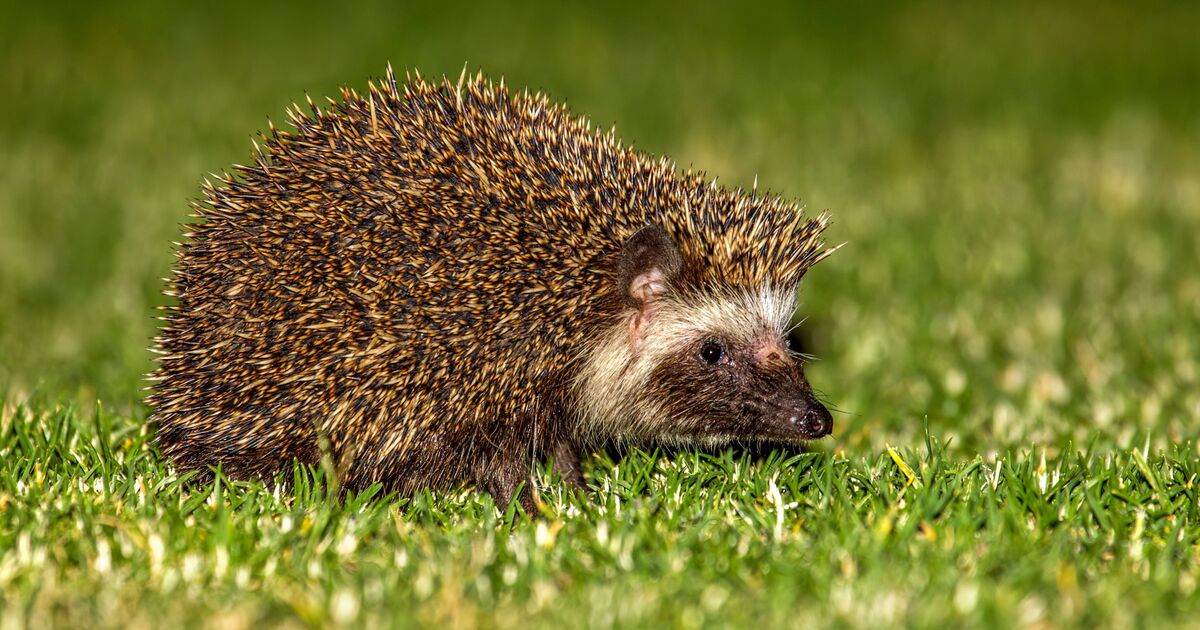
Hedgehogs, while endearing creatures, are often elusive and unless you reside in the countryside, spotting one in your garden can be a rare occurrence. The population of these prickly critters is dwindling due to habitat loss and urbanisation, with the Western European hedgehog categorised as “Near Threatened”, and the British variant listed as “Vulnerable” on the UK’s red list of mammals.
We can all contribute to the conservation of hedgehogs by creating safe spaces in our gardens where they can forage for food. Hedgehogs hibernate during the winter months, so come November, they’ll be stockpiling food and seeking out secure locations to hunker down for the harsh winter weather.
One of the most effective ways to assist hedgehogs is to leave food out for them in your garden. However, before scattering food across your lawn, an expert on social media suggests placing one item outside.
Nik Mitchell posted a video on TikTok demonstrating how to construct a “hedgehog haven” in just a few minutes, providing a predator-free zone for these small mammals to dine in peace.
To create this haven, all you need is a plastic storage box. Nik cut a 5-inch hole at one end of the box for the hedgehogs to enter, and affixed a small block of wood in the middle.
This wooden block deters foxes and cats from squeezing through the hole to reach the hedgehogs or their food, while still allowing the small mammals safe passage in and out.
Nik also revealed that placing hedgehog food in a container like this proves superior to scattering it openly across your garden, as this approach can draw unwelcome pests.
Regarding nourishing hedgehogs, the simplest approach involves purchasing specialised hedgehog feed containing all essential nutrients they require.
This proves necessary because wild hedgehogs predominantly consume insects including beetles, earwigs, caterpillars, and worms, which prove challenging to collect and place within a feeding container.
Should you already own a pet, meat-based cat or dog food serves as an excellent alternative food source for hedgehogs, saving money on purchasing specialised feed.
While hedgehogs accumulate fat reserves ahead of winter hibernation this month, you can continue providing food throughout the colder months. Hedgehog hibernation is inconsistent, and they periodically wake up to hunt for sustenance before returning to slumber.
Nik revealed in his footage: “While hedgehogs can forage for food on their own, supplementary feeding is crucial, particularly during times when their natural food sources are dwindling.”
Alongside food, leaving a small water bowl proves essential for maintaining hydration among these tiny mammals. Never provide milk for hedgehogs, as they are lactose intolerant and dairy products can cause illness.
Tips for feeding hedgehogs
The Wildlife Trust offers valuable guidance for nourishing hedgehogs.
They advised: “Creating wild spaces where hedgehogs can forage for natural foods like grubs and insects is the best way to ensure they’re well fed. But putting out a bit of food during winter allows them to top up any low stocks and gives them a helping hand through the cold and harsh weather. Put out fresh food at dusk and don’t forget a dish of fresh water!”
The experts also recommend the following:
Use plain kitten biscuits or meat-based wet dog or cat food. You can also use specialist hedgehog food, but keep in mind that this isn’t regulated and can vary in quality, so always check the label.If you have a problem with cats eating the food, try placing the food under a shelter with a hedgehog-sized gap in it.If food isn’t eaten overnight, remove anything that will go off and replace it with fresh offerings in the evening. Research suggests that unpredictable supplementary feeding is beneficial, e.g. moving the feeding spots around and scattering food in a more natural way. This will also reduce risk of competition for food.Avoid any interaction between dogs and hedgehogs. Sadly, dog bites frequently cause injury or death to hedgehogs.
Comments are closed.