
Robins and sparrows are two of the most common birds in British gardens, and they will both stay in the UK over the winter – but they need our help in the colder months
Alex Evans Deputy Audience Editor and Matt LLoyd
05:14, 16 Nov 2025
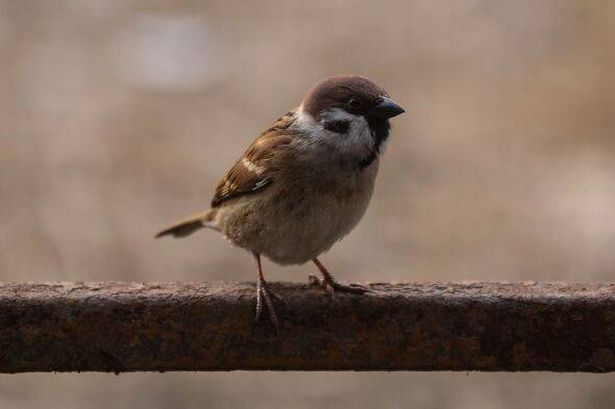 Sparrows in winter need extra support(Image: Getty)
Gardeners with common birds such as robins and sparrows visiting during the cold January weather are being encouraged to take action to support them through the approaching freezing spell.
British gardens provide a haven for various wildlife throughout the year, not merely during summer but also through the harsher winter period.
Numerous familiar bird species remain in UK gardens during winter, opting to compete for scarce food resources instead of migrating south to milder temperatures.
Read More: Gardener shares simple way to keep squirrels out of your garden beds
Robins, a festive favourite, are amongst the birds that remain in our gardens throughout the chilly months, competing with other avian competitors to defend their territory and secure adequate nourishment.
Gardening specialist Richard Jackson commented: “Robins are one of our charismatic winter birds.
“Easily recognisable, the friendly robin is a great asset in our winter gardens and has been hailed as the UK’s favourite bird,” reports the Express.
“In the bleak midwinter, our garden friend the robin shadows our every move in the garden.
“His tomato red breast shines like a beacon in the cold winter light as he hops and chirrups around as we potter around the winter garden.
“These pretty little birds are hugely territorial. In order to survive they need to protect and retain their patch, especially if there’s a garden rich in bird food or a friendly human providing some sustenance.”
Help a child in poverty this Christmas
Thousands of children from the West Midlands will wake up on Christmas day with no gifts – but there’s something you can do about it through our Brumwish Christmas campaign.
Order something from this Amazon wishlist and, working with Thrive Together Birmingham and Edgbaston Stadium, we will deliver direct to a poor or homeless child living in the area in time for Christmas day.
 Birmingham Mail and Birmingham Live Grant a Christmas #Brumwish
Sparrows likewise remain in British gardens but face challenges locating food, whilst a virus has impacted populations particularly across England.
Bird feeding specialists GardenBird explained: “The house sparrow is an endearing, friendly little garden bird whose almost consistent year-round presence is always welcome.
“However, despite its notoriety as being one of the most sociable and gregarious birds in existence, it’s an understatement to say the sparrow has had a very tough time throughout history.
“Despite the recent return of sightings in gardens across the UK, house sparrows are still classified as being in decline.
“According to RSPB research, between 1977 and 2008 house sparrows declined by as much as 71 percent.”
The specialists attribute the decline, particularly across England, to reduced food availability, climate change and pollution, disappearing nesting spots and even the switch to unleaded petrol which they claim ‘produces toxic compounds such as methyl nitrate’.
Garden owners are being encouraged to support these quintessentially British birds by providing food during the harsher, colder winter period.
Different birds require different feeding strategies if you’re keen to assist them.
Robins and sparrows will both use bird feeders, and any combination of nuts, seeds, suet or specialist bird food such as mealworms will be suitable.
Sparrows aren’t particular eaters and will consume practically anything, from peanuts and seeds to suet and even assorted kitchen leftovers.
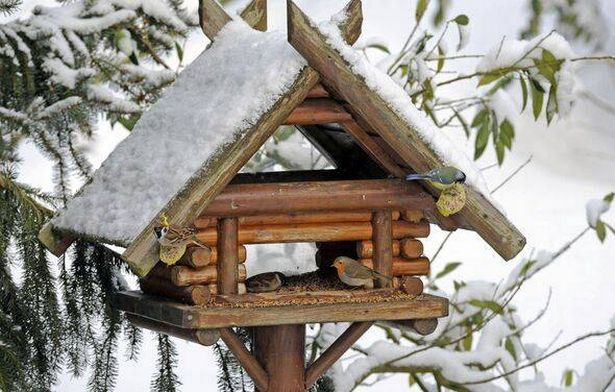 Robins and sparrows need help in winter(Image: Getty)
The challenge with this is that squirrels may pinch their food – add something spicy to it and the birds will still enjoy it whilst squirrels will stay away.
The RSPB advises: “Put out bird food and water on a regular basis through autumn and winter.
“In severe weather, you may find you need to feed twice daily.
“Birds need high-energy, high-fat foods during cold weather.
“Always adjust the quantity given to the demand, and never allow uneaten foods to build up.
“Once you have a feeding routine, try not to change it as birds will become used to it.”
Comments are closed.