
Key Points
Buy mums with closed buds and deadhead faded blooms to keep them colorful longer.After blooming, plant them, overwinter indoors, compost, or toss—whatever fits your time and space.Knowing your options lets you stretch the life of your mums beyond just fall porch decor.
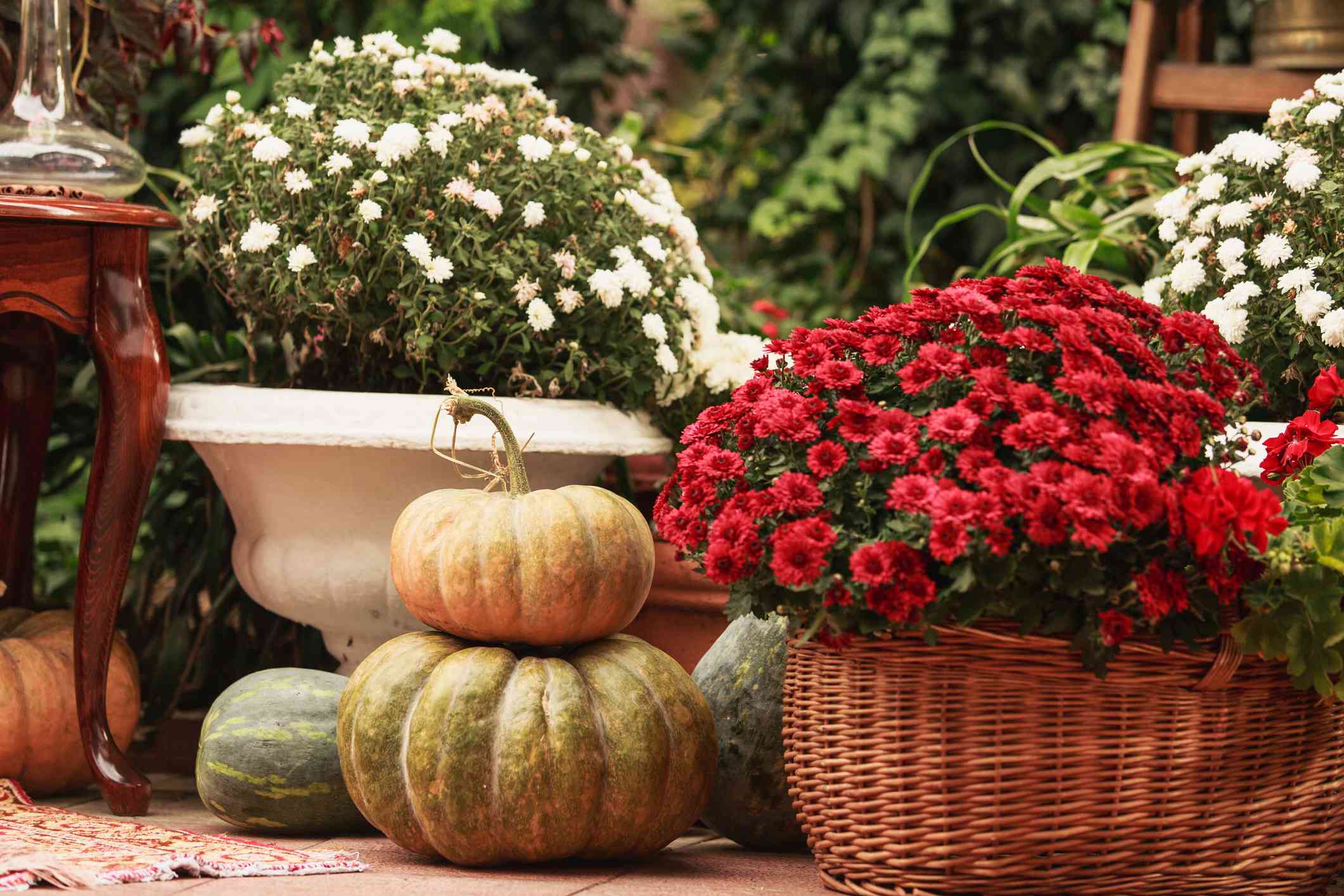
Colorful mums are one of the most reliable signs of fall. These vibrant mounds of red, orange, yellow, and purple fill our front porches with the most joyful autumn blooms and then, in an instant, it seems as if they’ve wilted and died.
But what do you do with those once cheerful pots of mums once they’ve turned brown? We asked a master gardener what you can do with potted mums after blooming so your colorful fall garden doesn’t go entirely to waste.
Meet the Expert
Kim Zimmerman is a master gardener and the head designer and floral farmer at Rowdy Poppy.
Choose the Mums That Will Last the Longest
Credit:
Cynthia Shirk/Getty Images
Prior to even thinking about what to do with your mums after they’ve bloomed, think about how to get mums that will last you well into the fall. Often, the showiest, most colorful pot of mums is also going to be the first to leave you with a mound of spent blooms.
Instead, choose a potted mum that is mostly foliage covered in closed blooms. Those are the mums that will treat you to a vibrant and abundant showcase of color just days or weeks after getting them home.
After your mums have bloomed, you’re left with a big pot of greenery and wilted brown flowers. So what’s next? Here’s what you should do with your potted mums after blooming.
Want more gardening tips? Sign up for our free gardening newsletter for our best growing tips, troubleshooting hacks, and more!
Deadhead Mums
Before you declare your potted mums done for the season, try deadheading them. By removing the spent blooms, you could encourage additional blooms to come in behind them. Cut off any blooms that are brown and wilted, and you may see a second surge of autumn color.
Plant Mums In Your Yard
You can actually plant mums in the ground in your garden after they’ve bloomed—but they may or may not thrive depending on the variety.
“Consider planting mums in your garden to enjoy for years to come,” says master gardener Kim Zimmerman. “Plenty of mums like to fill in and spread into whatever room they are given.”
There are two types of mums: florist mums and garden mums. Typically, garden mums are grown as perennials, and these can be planted in your yard in the spring or fall. As long as they’re in the ground before winter’s first frost, they should have enough time to settle and take root.
If you plant florist mums, they may have a shot at surviving the winter in a milder climate, but you could be fighting an uphill battle. To give them a fair shot, make sure they’re planted in an area of your yard that will stay warmer, prune them back significantly, and cover the ground with mulch to keep them protected.
Bring Mums Inside
Potted florist mums are grown as annuals—unless you overwinter them inside. They won’t thrive year-round, but, if you bring them indoors to prevent them from freezing, they can have a shot at coming back and blooming again the next year.
Prune them down to just three inches in height, then keep them in a dark, cool place indoors. Don’t let the roots freeze, and water them frequently enough to keep the roots moist.
“Keep it somewhere it won’t completely dry out and will also stay somewhat protected, consider adding mulch on top and wrapping it in burlap for extra insulation,” Zimmerman says.
Then, once the weather has warmed up in the spring and the last frost has made its way through, bring the mums back outdoors to gear up for a second bloom.
Add Mums to the Compost Pile
Your dying mums can have a second life in your compost pile. Once your mums have finished blooming, throw them in with your compost. They will take about three months to break down, decay, and turn into compost, which you can then use for mulch in the yard.
“Most folks like to simply compost the plant and purchase a new one each year,” Zimmerman says. “Just make sure you remove any plastic tags or netting before tossing it in there.”
Trash Them—And Don’t Worry About It
If you’re not up for caring for your mums through the winter, digging a hole to plant them in the yard, and you don’t have a compost pile, don’t worry too much about it. Plenty of gardeners buy their mums with the intention of enjoying them for a season, then letting them go.
Enjoy the blooms for as long as they last, keep them out for a bit longer if you like the pop of greenery on your porch, then, when the first freeze settles in and zaps them, toss them in with your yard waste.
Comments are closed.