
#DollarTreeGardenHacks #FallGardening #BudgetGardening
Transform your fall garden without breaking the bank! In this video, I’m sharing 20 genius Dollar Tree finds that will revolutionize the way you garden this autumn. From DIY compost systems to vertical herb gardens, these budget-friendly hacks prove you don’t need to spend a fortune to create a beautiful and productive garden.
We cover everything from creative storage solutions to innovative planting techniques, all using items you can find at your local Dollar Tree for just a dollar or two each. Whether you’re a seasoned gardener looking to save money or a beginner wanting to start your garden journey affordably, these hacks will help you maximize your garden’s potential while minimizing costs.
In this video, you’ll discover:
✓ How to create a functional compost system for under $3
✓ Space-saving vertical garden ideas perfect for small yards
✓ Clever seed starting solutions that actually work
✓ Creative plant markers and organization systems
✓ Season extension techniques to keep your garden producing longer
✓ Smart storage solutions for seeds, bulbs, and garden supplies
✓ DIY tools that rival expensive garden center alternatives
These aren’t just theoretical ideas. These are practical, tested hacks that I personally use in my own garden, and they’ve saved me hundreds of dollars over the years. My neighbors are always amazed when I tell them how little I’ve spent to achieve professional-looking results.
Fall is the perfect time to implement many of these hacks as you prepare your garden for winter, plant cool-season crops, and get ready for next spring. Whether you’re dealing with limited space, limited budget, or both, these Dollar Tree finds will help you create the garden of your dreams.
💚 SUBSCRIBE to Garden Homes for more budget-friendly gardening tips, seasonal planting guides, and creative DIY projects that won’t empty your wallet. We’re building a community of gardeners who believe beautiful outdoor spaces should be accessible to everyone.
👍 LIKE this video if you found even one hack you want to try!
💬 COMMENT below and let me know which Dollar Tree hack you’re most excited about. I read and respond to every comment, and I love hearing about your gardening wins!
🔔 Turn on notifications so you never miss our weekly gardening content!
Join our Garden Homes community where we prove that amazing gardens don’t require massive budgets. Just a little creativity, some smart shopping, and a love for growing things. Let’s make gardening affordable and accessible for everyone!
Happy gardening, friends!
#GardenHacks #DIYGarden #AffordableGardening #GardenTips #FallPlanting #ContainerGardening #UrbanGardening #HomeGardening #GardenIdeas #CheapGardening #GardenOnABudget #DollarStoreCrafts #BackyardGarden #GrowYourOwn #SustainableGardening
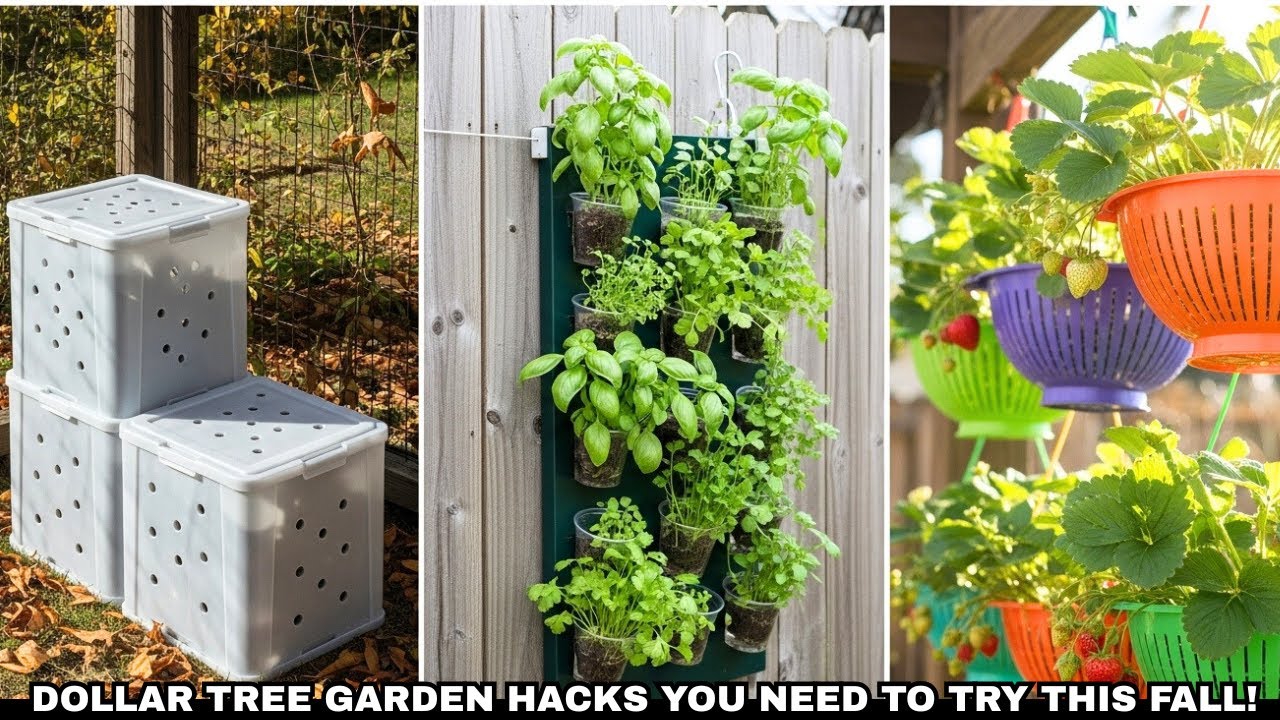
I walked in Dollar Tree with 20 bucks and completely transformed my fall garden. My neighbors keep asking how I afforded it all. And when I tell them the truth, they don’t believe me. The secret to a stunning autumn garden isn’t that expensive garden centers. It’s sitting on Dollar Tree shelves and most people walk right past it. What I’m about to show you will change everything. Hey garden friend, welcome to Garden Homes. If you’re new, I’m so glad you’re here. We’re all about creating dream gardens without breaking the bank. And to my returning viewers, welcome back. Today we’re covering 20 incredible Dollar Tree finds that are total game changers for fall. Real quick, hit that subscribe button if you love saving money in the garden. And if any of today’s ideas excite you, drop a comment and let me know which one. I read every single one. All right, let’s dive in. Hack number one, plastic storage bins as compost tumblers. First up, those medium-sized plastic storage bins. Now, I know what you’re thinking. storage bins for gardening. But hear me out. Grab two of these, drill some ventilation holes on all sides, and you’ve got yourself a compost system that actually works. Here’s what makes this brilliant. You fill one bin while the other one finishes breaking down. The lids keep pests out. The plastic retains heat, which speeds up decomposition, and you can tuck them anywhere in your yard. I’ve seen compost tumblers selling for $60 to $100. You’re getting the same results for $250. Your fall leaves and kitchen scraps are about to become black gold for next spring’s garden. The best part is you can stack them when not in use, and they’re light enough to move around if you need to rearrange your garden space. This is honestly one of those ideas that pays for itself within the first season because you’ll stop buying bag compost altogether. Hack number two, command hooks for vertical herb gardens. Next, those command hooks everyone uses indoors, they’re about to become your new best friend outside. Grab a pack and stick them on any vertical surface. Your fence, the side of your shed, even your patio wall. Now, pair them with those Dollar Tree plastic cups or small containers. Poke a drainage hole in the bottom, hang them up, and plant your herbs. Basil, parsley, cilantro, whatever you want. This is perfect for fall because these herbs love the cooler weather. You’re creating a vertical garden that takes up zero ground space and everything stays off the soil where slugs and pests hang out. Plus, harvesting is so much easier when everything’s at eye level. I’ve had mine up for three seasons now, and the hooks are still holding strong. You can swap out the containers based on what you’re growing. And if you want to bring them inside during a frost, just unhook them and bring the whole thing in. It’s a flexibility you just don’t get with traditional planters. Hack number three, shower curtain rings as plant markers. Here’s something most people never think about. those shower. I use different colored rings for different plant families and it makes crop rotation planning so much simpler. Hack number four, pool noodles as garden kneelers. Okay, this one is pure genius. You know those foam pool noodles they sell year round? Cut one in half lengthwise and you’ve got two garden kneeling pads that’ll save your knees from all that fall planting. The foam is thick enough to actually cushion you. It doesn’t absorb water like fabric pads do and you can just hose it off when it gets dirty. I keep mine right by the garden gate so it’s always there when I need it. Your knees will thank you, especially during those longer weeding sessions. These things are total lifesavers if you’re putting in garlic cloves or spring bulbs this fall, which means a lot of kneeling time. The foam bounces back to its original shape, so it doesn’t get flat and useless like those cheap foam pads. You can even tie a rope through the center hole and hang it up for storage. And if you garden with a partner or friend, you’ve got two pads from one noodle so you can both work comfortably. Hack number five, mesh laundry bags for bulb storage. Those mesh laundry bags are incredible for storing your bulbs over winter. When you dig up your Dalia tubers, gladiolas, or any tinder bulbs this fall, drop them in these bags. The mesh allows air circulation, which prevents rot. You can label each bag with a permanent marker, and you can hang them in your garage or basement. No more forgetting what bulbs you have or finding the moldy in a cardboard box come spring. This is such a simple switch, but it makes bulb storage so much more organized. I like that you can see what’s inside without opening anything, which means less handling and less chance of damage. The bags are also perfect for curing onions and garlic if you grew them this year. You can fit multiple bags on a single hook or nail, making the most of your storage space. And when spring rolls around, you can reuse these same bags for harvesting produce. They rinse clean in seconds and dry fast, so you’re getting year round use from them. Hack number six, foam brush applicators for seed starting. Here’s a weird one that actually works amazingly well. Those foam brush applicators from the craft section. When you’re starting seeds this fall for winter greens or planning ahead for spring, these brushes are perfect for applying water to your seed trays. The foam holds just enough water to moisten the soil without drowning your seeds or disturbing them. Regular watering cans can wash tiny seeds away or create uneven moisture. This gives you total control. I keep one in my seed starting area and it’s become my go-to tool for those delicate first waterings. You can also use them to brush off excess soil from root vegetables when harvesting or to gently clean delicate plant leaves. The foam is soft enough that it won’t damage anything, but effective enough to actually get the job done. They’re also fantastic for applying diluted fertilizer exactly where you want it without any waste. Each brush lasts for months with regular use. And at a dollar each, you can keep several on hand for different tasks without worrying about crosscontamination. Hack number seven, tension rods for indoor seed starting shelves. Those spring-loaded tension rods are about to upgrade your indoor seed starting game. If you’re planning to start seeds indoors this fall or winter, mount these rods inside a window frame or between two walls. Hang your grow lights from them using S hooks or chains. The beauty of this setup is that you can adjust the height as your seedlings grow. And when spring comes and you don’t need them anymore, pop them down and store them. No drilling, no permanent fixtures, just a clever way to maximize your space. This is especially perfect for apartment gardeners or anyone who doesn’t want to commit to a permanent setup. I love that you can create multiple levels by using several rods at different heights, essentially building a custom shelving system for almost nothing. The rods are strong enough to hold lightweight grow lights and even small fans for air circulation. You can also use them in a closet or spare room to create a dedicated growing area. And because they’re adjustable, you can accommodate different plant heights in the same space, which is perfect when you’re growing multiple varieties with different growth rates. Hack number eight, clear plastic tablecloths as many green houses. Those clear plastic tablecloths are the secret to extending your growing season. Drape them over wire hoops or even old wire hangers bent into shape, and you’ve got instant season extension for your fall crops. This creates a mini greenhouse effect that protects your plants from light frost and keeps them producing longer. The plastic is just thick enough to trap heat, but thin enough that you’re not blocking light. When you need to water or harvest, just lift it up and tuck it back down. Way better than spending 50 bucks on a fancy row cover. You can cover entire raised beds or just individual plants that need extra protection. I’ve kept lettuce and spinach going well into December using this method long after my neighbors gardens were done for the season. The tablecloths are large enough to cover substantial areas, and if you anchor them properly with rocks or stakes, they’ll stay put even in wind. You can also use them to protect newly planted garlic beds from heavy rain or to warm up soil before early spring planting. When the season ends, they fold up tiny for storage and you can reuse them for years. Hack number nine, adhesive cork sheets for plant labels. The adhesive cork sheets in the craft section are brilliant for making plant labels that actually last. Cut them into strips, write on them with a permanent marker, and stick them directly onto your pots or raised beds. Cork naturally resists water and weather, so these labels hold up through rain and sun. Plus, they’ve got this natural look that’s way nicer than plastic markers. When you need to change what’s planted there, peel it off and stick on a new one. Simple as that. The neutral color blends into any garden aesthetic, whether you’re going for rustic or modern. I found these especially useful for labeling herb containers because you can stick them right on the pot rim where they’re easy to read. The cork also won’t get brittle or fade like plastic does, so your labels stay readable for the entire growing season. You can cut them into fun shapes if you want to get creative, or keep them simple and rectangular. They stick to wood, ceramic, plastic, and even metal containers. And if you’re gifting plants to friends or neighbors, these labels add a professional, thoughtful touch that people really appreciate. Hack number 10, plastic drawer organizers for seed organization. those plastic drawer organizers that people use for makeup or office supplies. Game changer for seed storage. Keep all your seed packets sorted by type, by planting date, or however makes sense for your garden. The compartments keep everything visible and accessible so you’re not digging through a shoe box every time you need seeds. Toss in some silica gel packets from Dollar Tree to keep moisture out, and your seeds will stay viable longer. This system has saved me so much time and frustration. No more buying duplicate seed packets because I couldn’t find the ones I already had. You can stack multiple organizers if you’ve got a large seed collection and they fit perfectly in drawers, on shelves, or even in a closet. I like to use different organizers for different seasons. So, my fall planting seeds are separate from my spring ones. The clear plastic makes it easy to see what you have at a glance, which is incredibly helpful when you’re planning your garden layout. You can also use these organizers for storing garden twine, plant ties, seed starting supplies, or any small items that tend to get lost. They’re sturdy enough to last for years, and the individual compartments mean nothing gets tangled or mixed together. Hey, we’re halfway through, and I hope you’re getting some great ideas. If you’re enjoying this, do me a favor and smash that like button. It really helps more garden lovers find these budget tips. And if you haven’t subscribed yet, what are you waiting for? Hit that subscribe button and turn on notifications so you never miss our money-saving garden hacks. All right, let’s keep going because the next 10 are just as good. Hack number 11, silicone cupcake liners for seed starting. Those colorful silicone cupcake liners are secretly perfect seed starting containers. They’re flexible so you can pop seedlings out without damaging roots. They’re reusable for years and you can fit a bunch of them in a standard tray. Poke a small drainage hole in the bottom, fill with seed starting mix, and you’re set. The silicone material is food safe, which means there are no weird chemicals leeching into your soil. And unlike Pete pots that fall apart or plastic cells that crack, these just keep going season after season. I color code mine so I know what varieties I planted where without even needing labels. They clean up easily with just soap and water, and they stack nicely for storage when you’re not using them. The portion control sizing is actually ideal for most seedlings, giving them enough room to develop without wasting soil or space. You can also use them for propagating cutings since the flexible material makes root inspection easy. And if you’re teaching kids about gardening, they love having their own colorful container to care for. The liners also work great for starting small batches of herbs that you want to keep separate. Hack number 12. Wire cooling racks as drying screens. Wire cooling racks from the kitchen section make excellent drying screens for herbs, seeds, and flowers. When you harvest basil, oregano, or any herbs this fall before frost hits, lay them on these racks in a single layer. The air circulates all around, which means faster, more even drying and no mold issues. Stack multiple racks using cans or blocks as spacers, and you can process a huge harvest in a small space. I dry all my seeds saving projects on these, too. tomato seeds, bean seeds, flour seeds. They all dry perfectly flat and clean. The racks are sturdy enough to move around without bending, and you can rinse them clean between uses. I keep several stacked in my potting shed year round because they’re just that useful. You can also use them for curing garlic and onions by laying the bulbs out in a single layer where air can reach them from all sides. The wire design prevents any moisture buildup that leads to rot. These racks work brilliantly for drying flowers for arrangements or crafts, too. And unlike those expensive dehydrator screens, these are a fraction of the cost and work just as well for garden purposes. Hack number 13, foam place mats as knee pads. Those foam place mats make surprisingly good knee pads for garden work. Grab a couple and when you’re planting, weeding, or harvesting, just place them under your knees. They’re cushioned enough to make a real difference. They don’t soak up water and they wipe clean in seconds. Roll them up and toss them in your garden tote and they take up almost no space. I actually prefer these over expensive garden knee pads because they don’t have straps that get muddy or wear out. You can use them flat or fold them for extra thickness. The size is perfect for moving around as you work your way down a row, and if you lose or damage one, you’re only out a dollar. These are also great to sit on when you’re doing tasks like potting up plants at ground level. The foam provides enough cushioning that you can work comfortably for extended periods without your knees screaming at you later. They come in different colors so you can pick ones that are easy to spot in the garden. And when they finally wear out after seasons of use, you can toss them in recycling without guilt because you got incredible value from them. Hack number 14. Plastic shower caddies for garden tool organizers. Shower caddies with multiple compartments are perfect for organizing small garden tools and supplies. Hang one on your fence, shed wall, or garden gate, and suddenly all your hand tools, pruners, twine, and labels have a home. The drainage holes mean nothing stays wet and rusty, and everything is visible, so you actually use what you have. No more buying duplicate tools because you couldn’t find the ones you already owned. This keeps your most used items within arms reach while you’re working. I have one dedicated just to my seed starting supplies, another for harvesting tools, and one more for general maintenance items. The hanging design means they don’t take up valuable shelf or counter space in your shed. You can move them around easily as your needs change throughout the seasons. The compartments are sized perfectly for things like plant tags, twist ties, small shears, and garden markers. Some caddies even have hooks on the sides where you can hang additional items like gloves, or small hand rakes. They’re also weatherresistant enough to stay outside all season if your shed is full. This is one of those organizational solutions that seems too simple to make a difference, but once you have it set up, you’ll wonder how you ever manage without it. Hack number 15, plastic colanders for strawberry planters. Those colorful plastic colanders are about to become your favorite strawberry planters. The drainage holes are already there, which strawberries absolutely love because they hate wet feet. Fill them with a potting mix. Plant your strawberries through the holes around the sides and on top. And hang them up or set them on a stand. This keeps the berries off the ground away from slugs and soilborn diseases. Plus, they’re way cheaper than those fancy strawberry towers that cost 30 or 40 bucks. You can grow other trailing plants in them, too, like trailing patunias or sweet potato vine. The compact size makes them perfect for small spaces, balconies, or patios where ground space is limited. I love that you can bring them indoors if there’s an unexpected frost threat since they’re lightweight and portable. The drainage is so good that you almost can’t overwater, which is perfect for beginner gardeners who tend to be heavy-handed with the watering can. You can set up multiple colanders to create a vertical growing system that looks decorative and productive at the same time. The plastic material retains some warmth, which helps extend your growing season on both ends. And when the season is over, they nest inside each other for compact storage. Hack number 16, adhesive hooks for hanging garden baskets. Those heavyduty adhesive hooks are strong enough to hold hanging baskets, and they’re perfect for renters or anyone who doesn’t want to drill holes everywhere. Stick them on smooth surfaces like vinyl siding, metal shed walls, or even large pots turned on their side. Now you can create vertical interest and maximize your growing space without any permanent changes to your property. I’ve got baskets hanging in spots I never could have used before, and it’s completely changed how much I can grow. The hooks hold up surprisingly well through weather and weight. Make sure you clean the surface well before applying them, and give them 24 hours to set before hanging anything heavy. Once they’re secured, they’re incredibly reliable. This is especially great for adding pops of color at eye level where they have the most visual impact. You can change your garden design each season without any commitment or damage. I’ve used these to hang baskets of trailing flowers, cherry tomatoes, and even small herb gardens. They work on surfaces where traditional hooks or nails would be impossible or inappropriate. And if you move or want to change your setup, they remove cleanly without leaving marks or holes. Hack number 17, plastic cereal containers for garden storage. Those airtight plastic cereal containers are amazing for storing garden supplies. Keep your seeds, fertilizers, pest control products, and amendments fresh and organized. The airtight seal keeps moisture out, which is crucial for seed viability and preventing products from clumping. You can see what’s inside at a glance, and they stack beautifully to maximize shelf space. Label them with a bit of tape and a marker, and your whole storage system suddenly makes sense. I use these for storing my homemade fertilizer mixes, too, and they keep everything fresh and bug-free. The pore spouts on some models make it easy to dispense just the right amount of amendments without making a mess. They’re also fantastic for storing bulbs over winter since the seal prevents them from drying out too much. You can fit multiple types of seeds in one container by using small bags or envelopes inside. These containers protect your supplies from mice and other pests that might chew through paper or thin plastic. They’re sturdy enough to last for years, and the clear design means you’ll never forget what you have tucked away on a shelf. This is such a simple upgrade that makes your potting shed or garden storage area feel professional and organized. Hack number 18, wooden spoons as divers. Wooden spoons make perfect dbers for planting. That rounded end creates the ideal hole for transplanting seedlings or direct sewing larger seeds. The handle gives you good leverage and the depth markings you can add with a permanent marker help you plant at consistent depths every time. This is way better than using your fingers or a random stick. Your plantings will be more uniform, which means better germination and healthier plants. Keep one in your garden tote, and you’ll reach for it constantly. The wood is gentle on roots and won’t compact your soil the way metal tools can. I’ve marked mine at 1-in intervals so I know exactly how deep I’m planting without any guesswork. This is especially helpful for bulbs and seeds that have specific depth requirements. The spoon end is also great for making furrows for planting rows of seeds like lettuce or carrots. It’s comfortable to hold even during extended planting sessions, and it won’t rust or degrade like metal dbers can. You can dedicate different spoons to different tasks to avoid any crosscontamination if you’re dealing with disease-sensitive plants. And kids love having their own spoon dber when they help in the garden, making it a great tool for teaching planting techniques. Hack number 19, foam floor tiles for garden pathways. Those interlocking foam floor tiles create surprisingly good temporary garden pathways. Lay them down between your raised beds or in muddy areas and suddenly you have a clean cushioned surface to walk on. They’re especially great for fall when things get wet and muddy. Your shoes stay clean. You’re not compacting your soil and they provide a little cushion underfoot which is nice during long garden sessions. When winter comes or you need to rearrange, just pick them up and store them flat. They interlock so they won’t shift around as you walk on them and water drains right through. I’ve had the same set for 3 years now, moving them around as my garden layout changes. They also work great as a standing surface at your potting bench where you might be on your feet for a while. The foam material is forgiving on drop tools and pots, preventing breakage. You can cut them to fit any space configuration, making them incredibly versatile. They’re also perfect for creating a designated work area that keeps you out of wet grass or mud. And if you have mobility issues or find it hard to stand on hard surfaces for long periods, these make gardening so much more comfortable. Hack number 20, plastic trays as seed starting humidity domes. Clear plastic serving trays can be flipped upside down over your seed starting containers to create humidity domes. This keeps moisture in while seeds are germinating, which dramatically improves your success rate. You can see through them to monitor progress, and they’re tall enough that seedlings have room to grow before you need to remove them. This is perfect for starting seeds indoors this fall for winter greens or getting a jump on spring. The trays cost a fraction of what purpose-built humidity do sell for, and they work just as well. I prop mine up slightly on one side with a popsicle stick once seedlings emerge to increase air circulation and prevent damping off disease. You can use multiple trays to cover different sections of a larger seed starting setup. They’re also reusable season after season, which makes them an incredibly economical choice. The clear plastic lets in plenty of light while maintaining the warm, moist environment that seeds need to sprout. You can easily lift them to check moisture levels or to water without disturbing your setup. And because they’re lightweight, there’s no risk of damaging tender seedlings if one accidentally falls onto your tray. There you have it. $20 tree finds that will completely change your fall gardening game for less than the cost of dinner out. The best part is that most of these items have multiple uses, so you’re getting even more value from every dollar spent. I’d love to know which hack you’re most excited to try. Drop a comment below and let me know. Are you going for the compost bins, the vertical herb garden, or maybe those genius seed starting ideas? If you found this video helpful, please give it a thumbs up. It helps other budget gardeners find these tips. And if you’re not already subscribed, hit that subscribe button and turn on the notification bell. We post new money-saving garden content every week, and you won’t want to miss it. Remember, a beautiful garden doesn’t require a big budget. It just needs a little creativity and some smart shopping. Now, get out there and make your fall garden amazing. Thanks for watching, and I’ll see you in the next one. Happy gardening.
2 Comments
great . it is useful
Learnt alot