
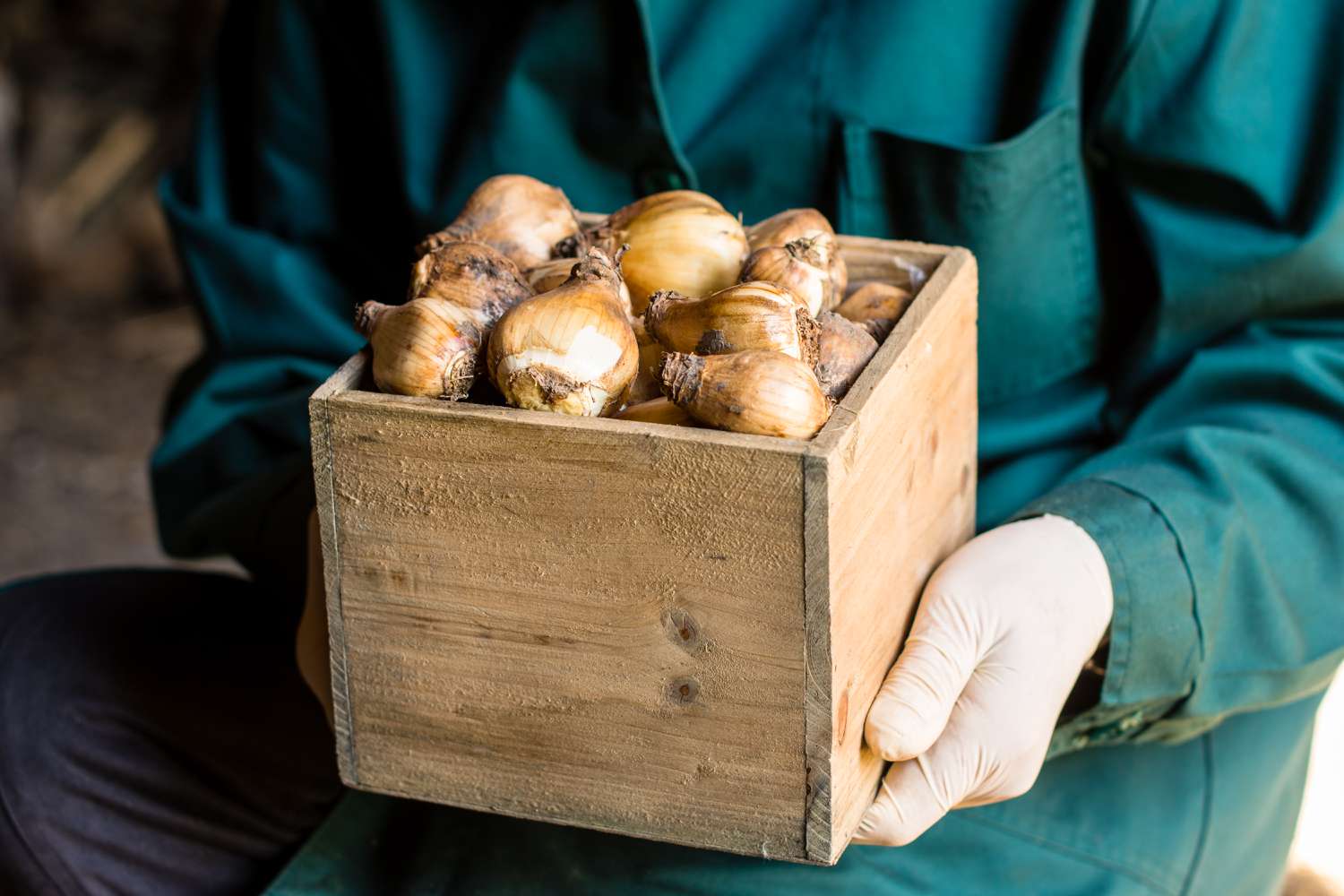
If apple picking and leaf peeping have caused fall gardening to get away from you, it’s not too late to get those bulbs in the ground that you planned for next spring. Every spring when early blooms begin to emerge, you may promise yourself that you’ll plant bulbs in the fall. As long as the ground hasn’t frozen, you can. Even in late fall there’s still time to plant spring-blooming bulbs so they have proper time to chill before their spring wake-up. Here are the bulbs you can plant in November to add cheer and early color to the garden.
When To Plant Spring Bulbs
Timing your spring bulb planting depends on the USDA Plant Hardiness Zone you live in. In Zones 6-7, November is a good time to plant bulbs because the soil is cool. It’s best to get bulbs in the ground before the first frost when evening temperatures are around 40 to 50ºF so the roots have time to develop before the ground freezes. Bulbs can be planted up until the ground freezes in your area, as long as the ground is workable.
In warmer climates in Zones 8-10, bulbs may need to be planted a bit later, around January, or they can be pre-chilled before planting. Some gardeners in Zone 7 may choose to pre-chill tulip, daffodil, crocus, hyacinth, and snowdrop bulbs in case there’s a mild winter.
To do this, place the bulbs in a mesh, paper, or other ventilated bag and store them in the refrigerator for six to 14 weeks, depending on the type of bulb. Make sure to store them away from fruits, which emit ethylene gas that can affect flowering. Take the chilled bulbs directly from the refrigerator to the plant site when planting so they don’t warm up.
What To Plant
Tulips
Credit:
Getty Images
With so many varieties and colors of tulips (Tulipa), you can have them in every corner of your yard and create a different look. Hybrids are bred for one great season and don’t reliably return each year, and if they do, they may not be as large. Look for species tulips that will naturalize and possibly spread over time, or Darwin hybrid tulips that are bred specifically to return year after year. They need a 12- to 16-week chilling period to bloom in early spring. Make sure to plant tulips in full sun and well-draining soil.
Daffodils And Jonquils
Credit: Rosemary Calvert/Getty Images
When their cheery yellow heads emerge from the ground, you know spring is on the way. Jonquils are a type of daffodil (Narcissus) that grow well in the warmer parts of the South, and they tolerate clay soil. They have a sweet fragrance and have several yellow flowers per stem. Daffodils are more tolerant of cold climates and feature a single bloom that can be yellow, peach, white, or bi-color on each stem.
Hyacinths
Credit:
Getty Images
These iconic spring flowers are known for their clusters of bright purple, blue, pink, and white blooms that grow atop tall stalks and powerful scent. Hyacinths (Hyacinthus orientalis) need full sun and well-draining soil. They can be forced indoors if they are chilled 10 weeks prior. Grape hyacinths (Muscari armeniacum) are not true hyacinths, but they once belonged in the same family and are often confused for one another. These spring-blooming bulbs naturalize easily and spread through self-seeding and new offsets that form on the bulbs underground. Season after season, they can form a bright carpet of blooms.
Ornamental Onions
Credit:
Getty Images
Ornamental onions (Allium) add whimsy to the garden with their tall globe-shaped blooms. Their pink, purple, blue, or white blooms open in late spring or summer and attract butterflies and bees. Plant the bulbs in rich, well-draining, slightly acidic soil in a garden space that gets full sun. The latest you can plant them is December, as long as the ground has not frozen yet.
Crocus
Credit: Ekspansio/Getty Images
These bright blooms are some of the first to emerge, sometimes in late winter. Crocus (Crocus) blooms are bright yellow or purple, and since they bloom so early in the season, their bold colors add drama to garden paths and woodland areas. Plant them close together so they will form colorful clusters. Make sure to plant them in soil that has good drainage in a sunny or partially shaded area.
Snowdrops
Credit:
Jackie Bale/Getty Images
Snowdrops (Galanthus nivalis) bloom early in the season. You may even see their dainty little heads emerging from a blanket of snow. Small bell-shaped blooms hang from strap-like leaves. The delicate appearance may surprise you since these blooms resist deer, have few pest and disease problems, and can grow in clay soil. Make sure the soil is well-draining and rich in organic matter for best results. They can tolerate occasional wet soil. Plant them in woodland gardens where they have room to spread under trees and shrubs.
Winter Aconite
Credit:
Getty Images
Another early bloomer, winter aconite (Eranthis hyemalis) features small cup-shaped blooms that sit atop frilly green collars. These are actually tubers but they are often sold as bulbs in the fall since they have the same dormancy needs as spring-blooming bulbs. Plant these small plants in groups to make a larger impact in wooded areas or let them naturalize in your lawn.
Tips For Planting Bulbs
When planting bulbs in the fall, prep the area first and make sure to space the bulbs and plant them correctly with these tips.
Add compost into the top layers of the soil, and make sure it is well-draining.Most bulbs should be planted pointy side up because the stem and leaves emerge from this end, but check the label for specific instructions.Plant bulbs about three times as deep as the bulb’s length.Generally bulbs should be spaced about 4 to 6 inches apart, but they can be planted closer together if you want dramatic groupings during blooming.Add a 2-inch layer of mulch to protect the bulbs from frost, regulate temperature, and keep weeds away.
Comments are closed.