
Your support helps us to tell the story
From reproductive rights to climate change to Big Tech, The Independent is on the ground when the story is developing. Whether it’s investigating the financials of Elon Musk’s pro-Trump PAC or producing our latest documentary, ‘The A Word’, which shines a light on the American women fighting for reproductive rights, we know how important it is to parse out the facts from the messaging.
At such a critical moment in US history, we need reporters on the ground. Your donation allows us to keep sending journalists to speak to both sides of the story.
The Independent is trusted by Americans across the entire political spectrum. And unlike many other quality news outlets, we choose not to lock Americans out of our reporting and analysis with paywalls. We believe quality journalism should be available to everyone, paid for by those who can afford it.
Your support makes all the difference.Read more
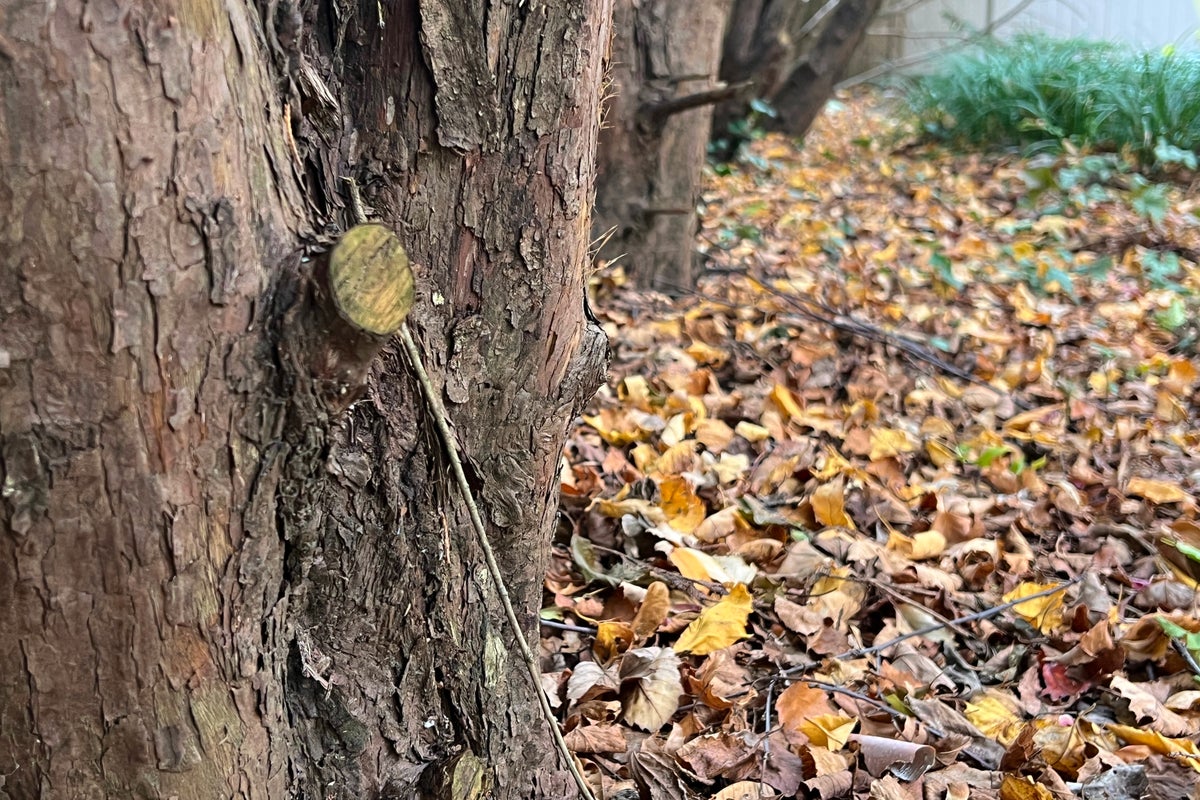
There are a lot of leaves outside my window, and I’m guessing your view might be similar. This carpet of dead foliage is often viewed as a nuisance, but it can be an important component in the garden.
I’ll push a 3-inch (7.6-centimeter) layer of them into beds and borders to serve as root-protecting and insect-sheltering winter mulch. When they decompose, they’ll also add nutrients to the soil, which will fortify my plants in spring.
Others will make it into the compost pile, which, along with food scraps, weeds and spent annuals and perennials, will cook into what we gardeners call “black gold.” But there’s another use for fallen leaves that might have escaped your notice: leaf mold.
The benefits of leaf mold
Simpler than compost but similarly beneficial, leaf mold contains only one ingredient — leaves. It helps increase moisture retention in sandy soil, improve drainage in clay soil, regulate soil temperature and suppress weeds when applied over the soil in beds and borders.
As far as nutrients go, compost wins, but leaf mold is no slacker. It supports earthworms, beneficial insects and soil microbes, and boosts the health and vigor of plants.
Nearly any type of leaves can be used to make leaf mold. Smaller ones, like beech and maple, break down in just a few months, whereas larger, thicker leaves, like those of oak, can take as long as two years.
Avoid using black walnut leaves, which contain a chemical called juglone that is toxic to some plants. Although fully composted black walnut leaves are generally safe to use, the compound might persist in leaf mold, which doesn’t age as long.
How to make leaf mold
Before making leaf mold, you’ll have to decide where to contain it. You can enclose leaves in a chicken-wire surround, pile them into contractor-grade, black plastic trash bags in which you’ve poked a bunch of holes for air circulation, or place them in an ordinary compost bin.
Regardless, add leaves lasagna-style, alternating with a sprinkling of water and, optionally, a light application of nitrogen fertilizer, which serves to speed up the process (ordinary lawn fertilizer will do).
Check the leaf pile every couple of weeks and water as needed to keep it lightly moist.
In spring, it should resemble humus, the dark, crumbly, nutrient-rich organic matter that serves as a protective layer on the forest floor.
Spread your leaf mold throughout your beds and borders as you would mulch or compost, and add some into the potting mix in your containers. It will release nutrients into the soil that will benefit your plants throughout the growing season.
___
Jessica Damiano writes weekly gardening columns for the AP and publishes the award-winning Weekly Dirt Newsletter. You can sign up here for weekly gardening tips and advice.
___
For more AP gardening stories, go to https://apnews.com/hub/gardening.
Comments are closed.