
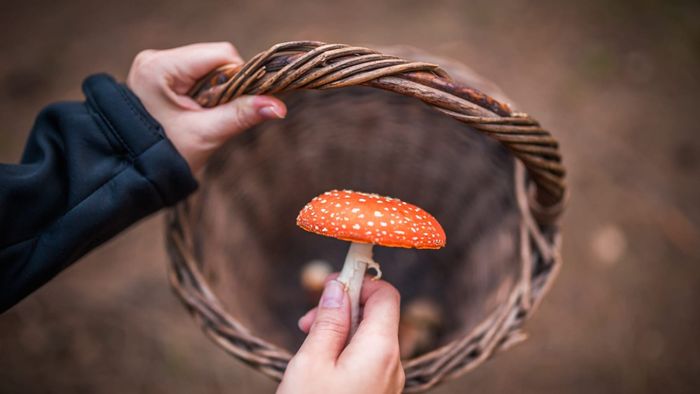
FAIRYTALE MUSHROOM: Fly agaric (Amanita muscaria) grows among birch, pine and spruce trees but is incredibly poisonous (Image: Petr Svoboda/Getty)
Legend has it that early settlers on the island of Sardinia carried out ritualistic killings of the elderly and criminals using a toxic plant known as hemlock water dropwort. It gave victims a distorted smile, brought on by a muscle spasm, now commonly known as a ‘rictus grin’ – but the poison was far from amusing.
Eating the plant led to convulsions, locked muscles, dilated pupils, hallucinations, sweating and breathing difficulties, with severe cases resulting in heart attacks or other organ failures. This is just one of the macabre tales in The Atlas Of Deadly Plants by gardener, podcaster and author, Jane Perrone.
They range from medieval fraudsters selling white bryony roots, to Roman soldiers taken down by rhododendron-spiked honey. But poisonous plants aren’t a thing of the past – there are many highly toxic varieties which foragers, gardeners and walkers would be wise to avoid.
READ MORE
Earlier this year, an Australian woman was jailed for life after murdering three relatives with a toxic mushroom meal, while fact and fiction come together at The Potent Plants Garden, at Torre Abbey in Torquay, inspired by Agatha Christie’s use of poisons in her novels. Perrone has explained how to identify three highly dangerous UK plants and the symptoms of being poisoned.
Hemlock water dropwort
Also known as water hemlock, dead man’s fingers or dead tongue, this member of the carrot family is our most poisonous plant, according to Wild Food UK. It is common along British waterways, growing up to 1.5m tall with pretty white flowers that look like cow parsley.
“The problem is that members of the carrot family all look fairly similar,” said Perrone. “Wild carrot and wild parsnip look quite similar to some very deadly species and even experienced foragers are often quite reluctant to touch this family of plants because if you make a mistake it can be pretty deadly.”
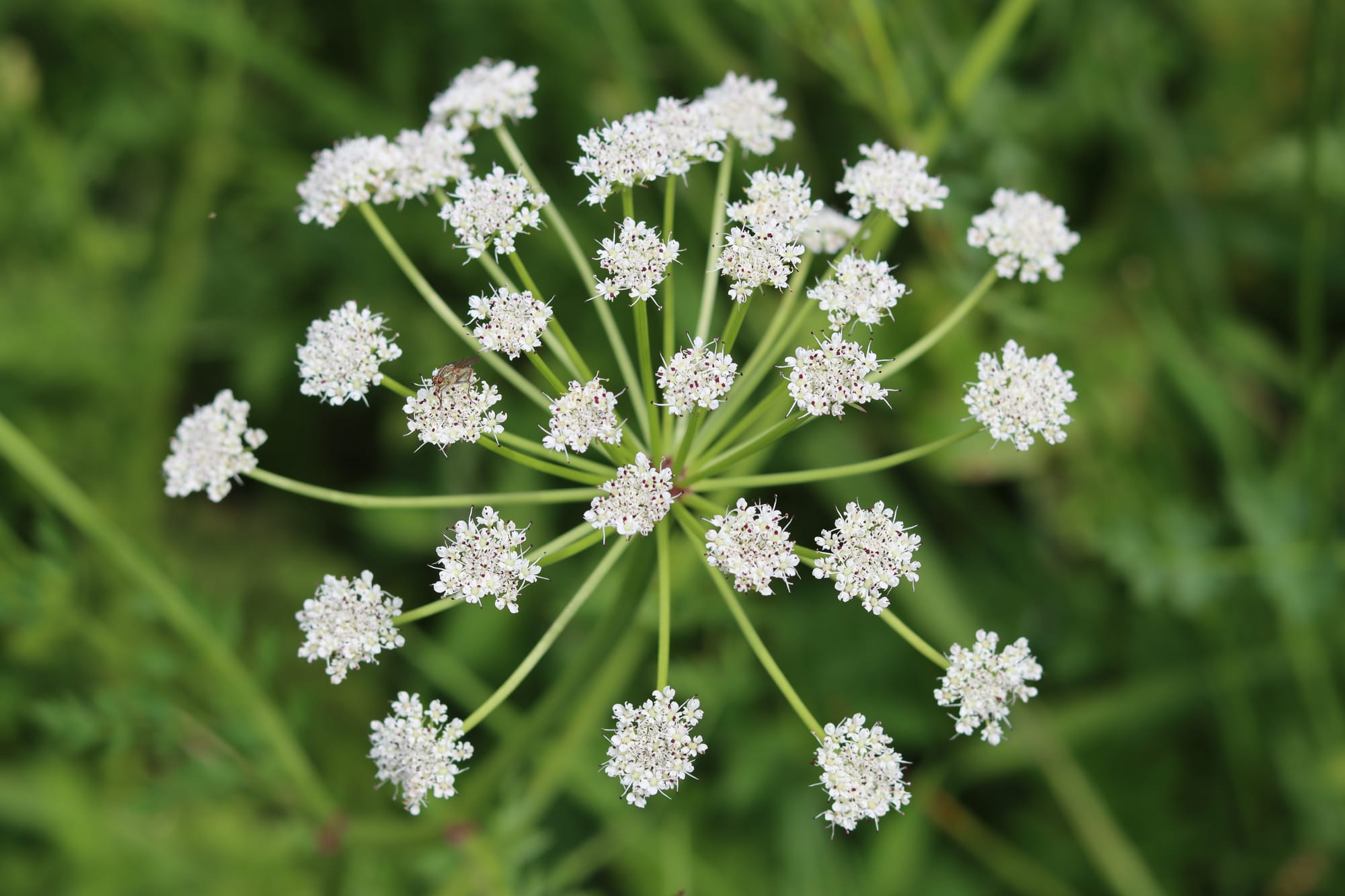 ANCIENT POISON: Water hemlock is easily mistaken for wild carrot (Image: Francesca Leslie/ Getty)Wild garlic lookalikes
In spring, many love foraging for wild garlic but there are several lookalikes which you wouldn’t want to eat. Lords-and-ladies (Arum maculatum), also known as cuckoo-pint, produces similar arrow-shaped leaves – however, it lacks the distinctive smell.
It appears at the same time of year as wild garlic and in the same damp woodland areas, but cut it open and the sap will burn your skin, warns Perrone. It’s easier to identify later in the season, when it develops green seed pods that resemble corn on the cob. These turn red and taste very bitter.
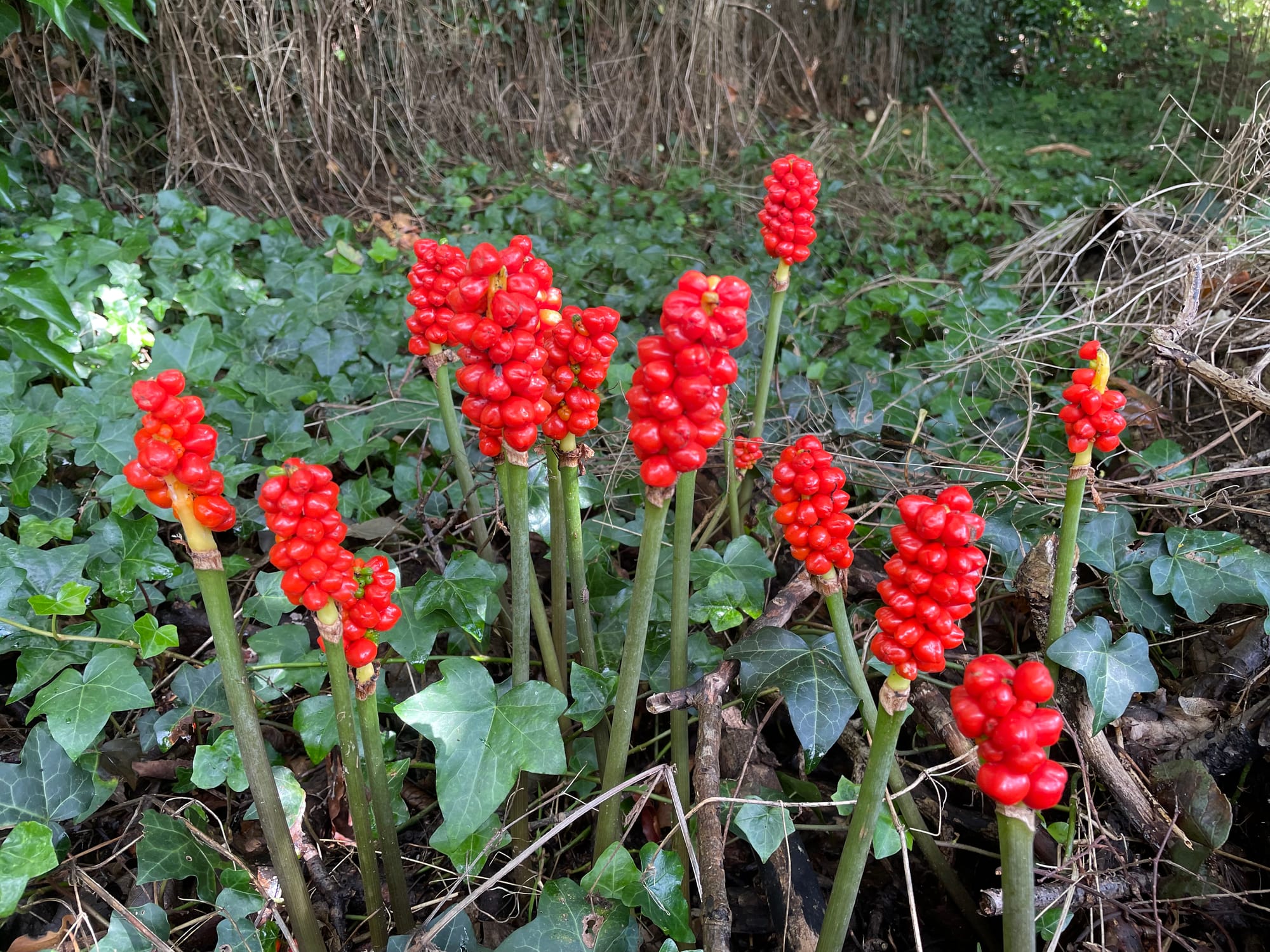 NOT WILD GARLIC: Cuckoo-pint develops cobs of red berries once the leaves die back (Image: Tim Parker/Getty Images)Yew trees
“If you’ve ever been to a churchyard you’ve probably seen a yew tree. They are intimately associated with death and resurrection,” says Perrone, but all parts of the plant are poisonous. The little red berry-like fruit sits around a very toxic seed which has no antidote.
Perrone said: “The chemicals inside have been called a veritable ‘Pandora’s box’ of compounds. But the main ones, taxine alkaloids, basically cause the heart to malfunction. You get arrhythmia and slowing of the heart.”
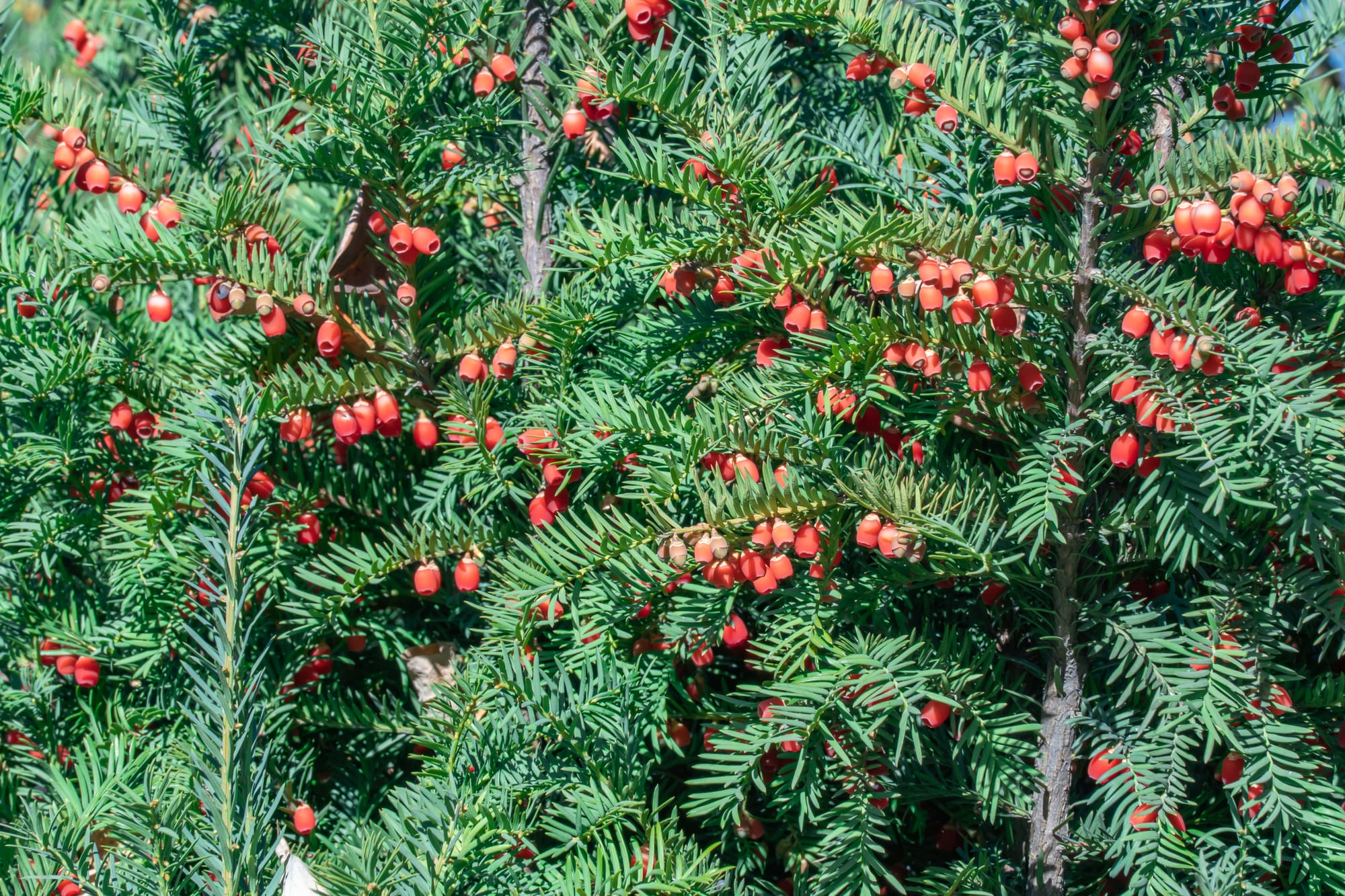 CHURCHYARD TREE: Steer clear of yew and its ripe red berries (Image: Ihor Batishchev/Getty)
Foraging is increasingly popular, with spring best for leaves and shoots, summer for berries and flowers, and autumn for fruits, nuts, seeds, roots and mushrooms. But how can you avoid picking the wrong plants and what’s the reality of accidentally poisoning yourself?
Real life v movies: “People don’t understand that plant poisonings don’t look like they do in the movies, when you see somebody take something and then seconds later they’re on the ground. That’s not how the vast majority of plant poisonings happen,” said Perrone.
Many start with gastrointestinal symptoms, such as nausea, vomiting or diarrhoea, and there may be a gap of anything from a few minutes to a few days. She said: “In the case of a couple of mushrooms in the book, it’s up to two weeks before the toxins really get to work, so if you’ve forgotten that you’ve eaten something two days earlier, or maybe instead of picking wild garlic you’ve accidentally picked mandrake, you might think you’ve a tummy bug.”

Misleading remission: Perrone said: “This is absolutely horrendous because basically you start feeling better and your gastrointestinal symptoms start to feel back to normal, but unfortunately your body at that point is really in trouble because the toxins are making their way to your organs. Doctors have a real problem with plant poisonings because they can look like so many other things.”
Don’t panic: Perrone, who runs a foraging group on Facebook, hopes her new book will help people educate people. She said: “Incidence of plant poisonings is massively less than it used to be… you are much more likely to be poisoned by carbon monoxide in your house, or household chemicals.”
She added: “I don’t want to put people off foraging together, I just want them to go out with full knowledge and to be genned up. Not every plant is edible and just because you think you recognise something, you need to be 1,000% sure that the plant you’re foraging is the right one.”
Foraging and wild plants 📚
This article contains affiliate links and we may receive a commission on any sales we generate from it. Learn more.
The Atlas Of Deadly Plants by Jane Perrone costs £24.49 on Amazon. World tour of 50 dangerous plants and fungi, including their socio-cultural significance and their effects on the human body.
The Complete Mushroom Hunter (Revised) by Gary Lincoff costs £18.99 at Waterstones. Illustrated guide to foraging, harvesting and enjoying wild mushrooms with new sections on growing unusual varieties.
The Forager’s Calendar: A Seasonal Guide to Nature’s Wild Harvests by John Wright costs £12.85 on Amazon (paperback). Fully illustrated month-by-month guide including how to find, store, use and cook wild food.
Prices correct at the time of publication.
MORE ON PLANTS
Comments are closed.