
Feeling pretty defeated right now but hoping to get some more info and come up with a plan of attack here.
Starting August 20th I seeded a native short grass mix (Buffalo / Blue Grama / Sideoats Grama) from DK Seeds all over my front yard and other areas of my property – about 2000 square feet total. I prepped all of the beds and I watered 6-8 times per day for 2 weeks to help germinate and get established. My hope was to establish a short grass meadow.
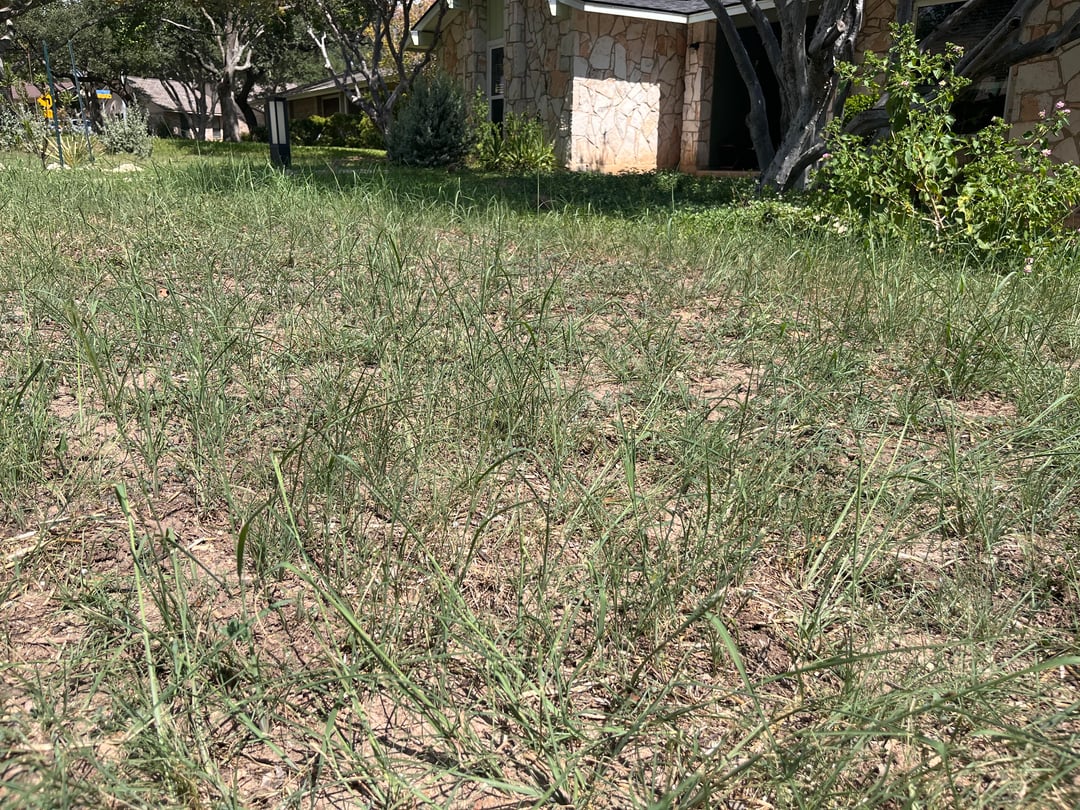
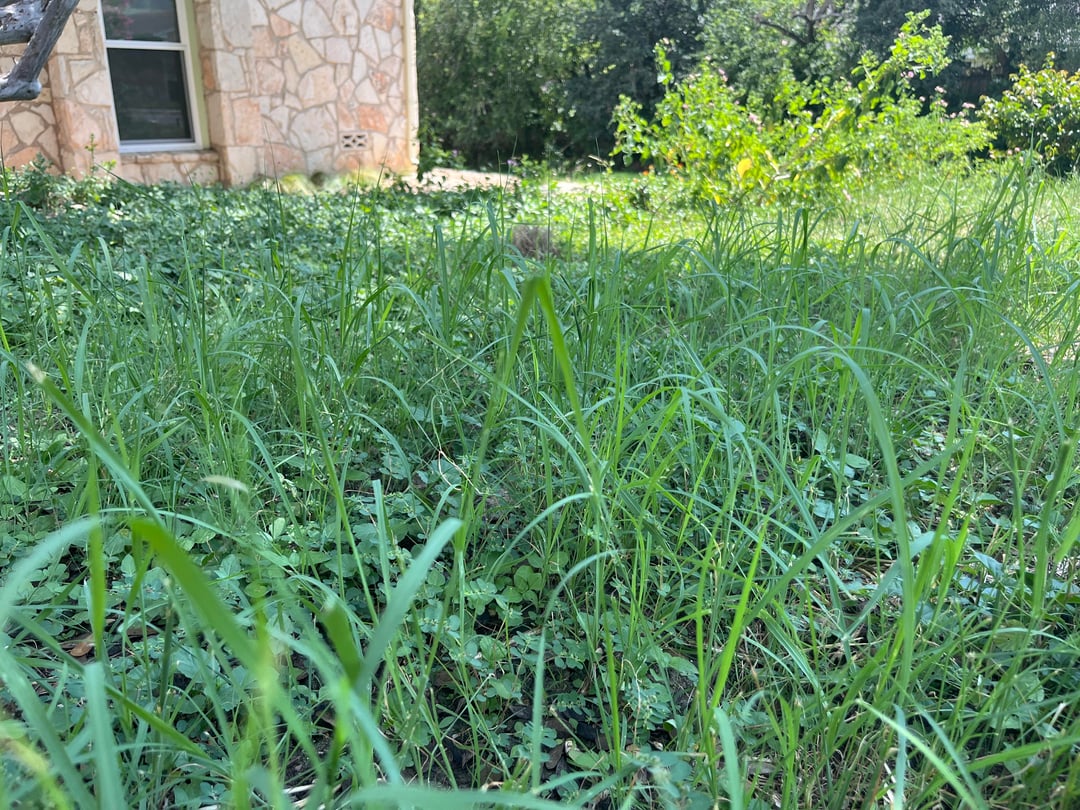
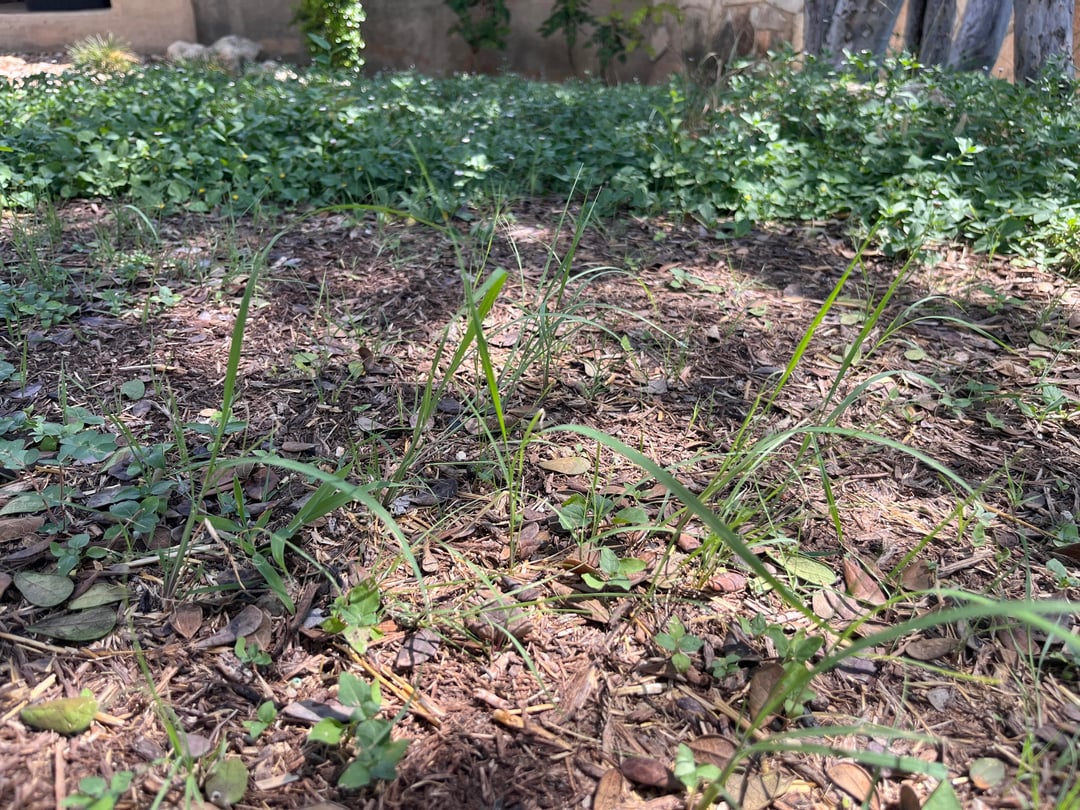
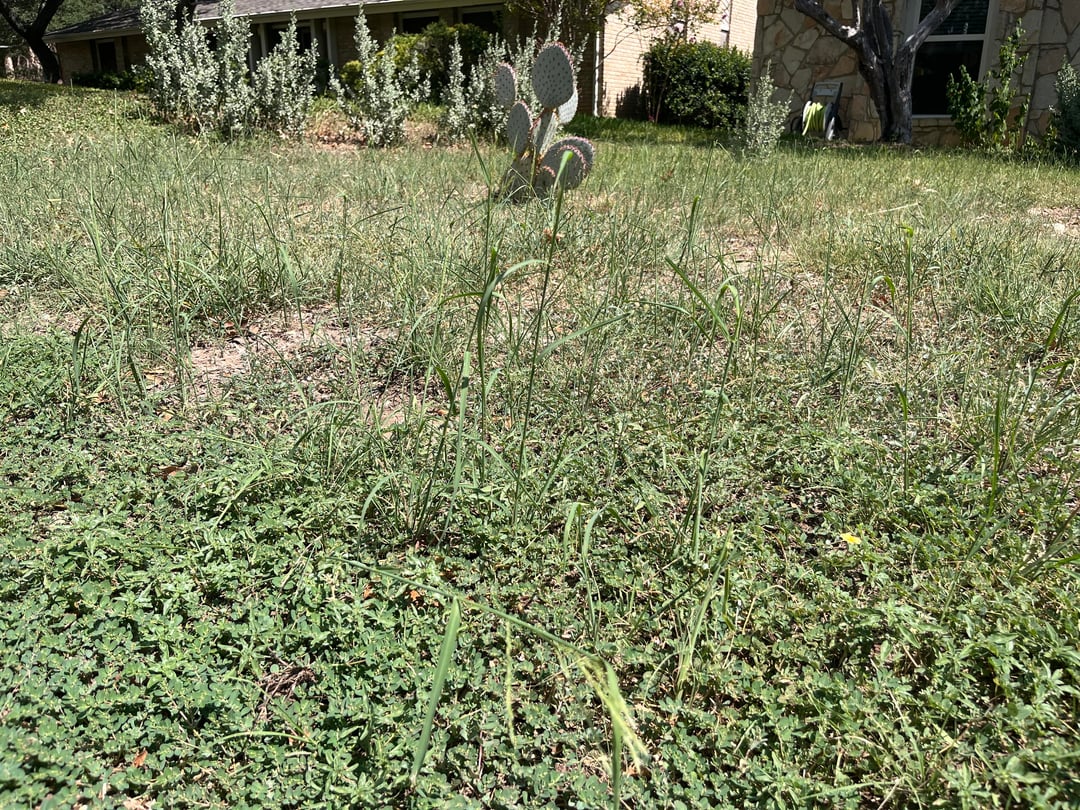
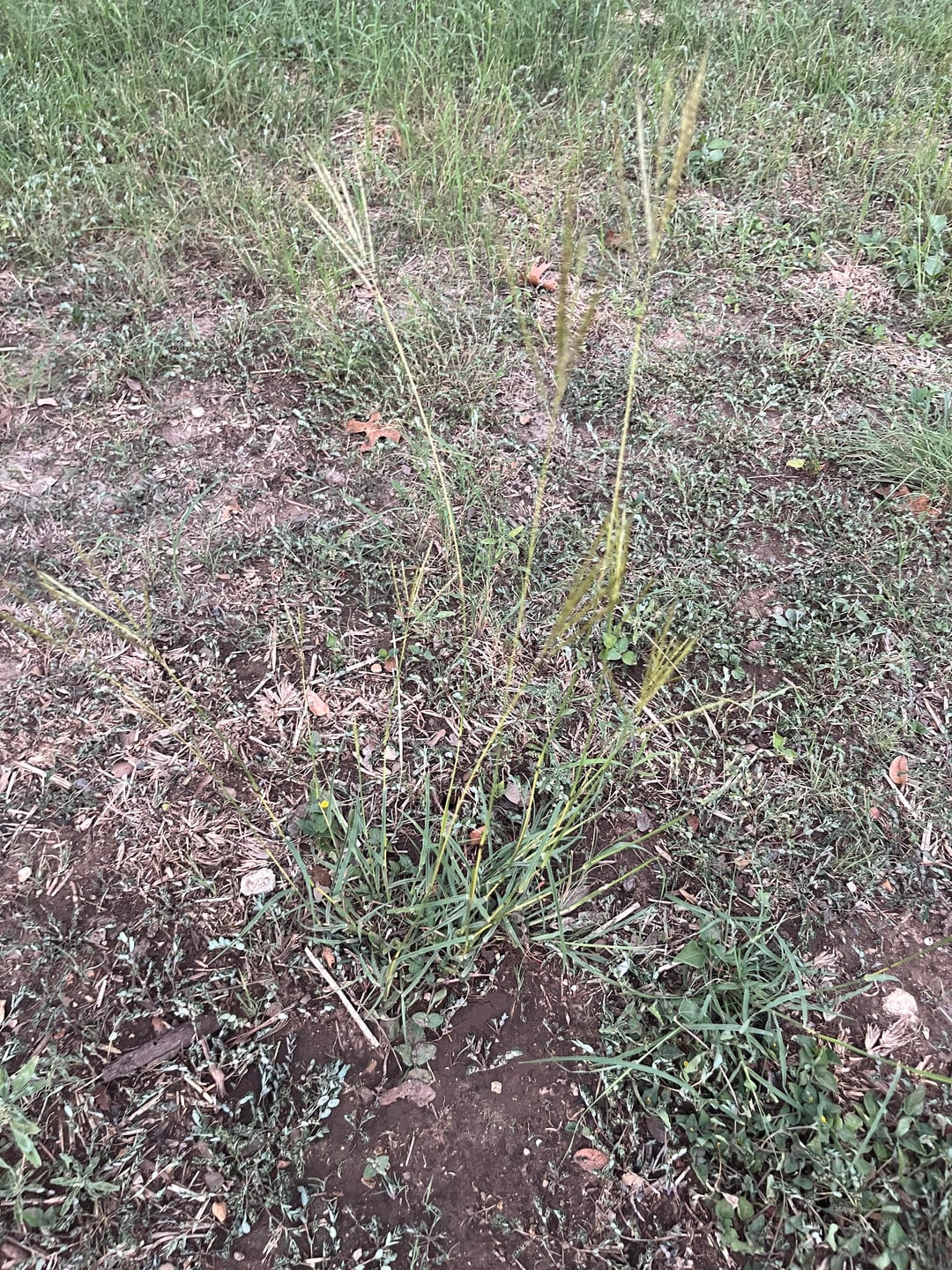
Things seem to have went well as I have grass popping up everywhere I seeded. But I didn't know the sprouts were mostly KR Bluestem.
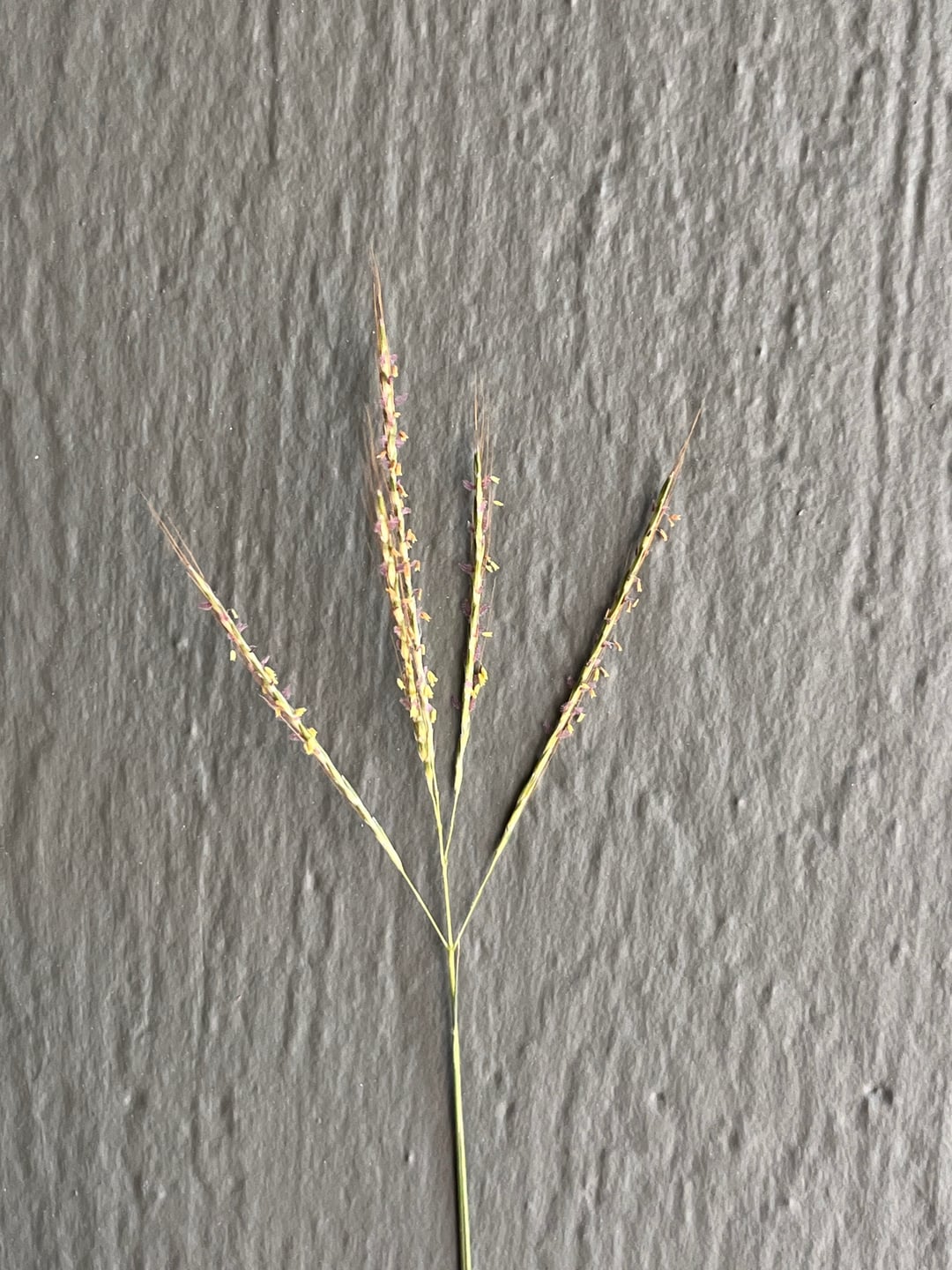
The seedheads started forming this past week and I couldn't ID them as any of the grasses I was attempting to grow. I posted here to ID them and started learning more. Now it feels like my seeding project was mostly a failure. It feels like I seeded KR Bluestem. I see some of the native grasses in my yard, but they are far outnumbered.
So! I'm not sure what to do. I can start hand pulling but I imagine that is going to be a multi-year battle that I may or may not win. I could truly give up and nuke everything. But I'm afraid if I do that and attempt to reseed, the same thing could happen again. Now that I am more aware of this plant, I see KR Bluestem everywhere in my neighborhood. I imagine the seeds are everywhere.
My preferred route would be to not start over. Try to hand pull as much as possible over the fall and winter, and hope that my native grasses grow in this spring. I could over-seed with some more native grasses in the spring (but I'm not doing all of the seedbed prep and watering again!). Do you think that approach could win out over the next couple of years?
by SmokeDoyles
3 Comments
Don’t worry, those bluestem were already there. I did a large project recently and was absolutely floored by how many milkweed sprouts popped up after I disturbed all the soil and watered it.
The bluestem will (as you’ve seen) try to outcompete the grasses you planted.
I think your plan is solid: spot-pull clumps where you can, and you can always mow or clip the bluestem before it goes to seed to weaken the reserves.
And yes, overseed again in spring with the same mix, no need for major prep.
It usually takes a good 2–3 seasons for natives to form a solid sod. The bluestem won’t completely disappear, but you can tip the balance toward your natives with some persistence.
If you just seeded native grasses, they should take some time to sprout anyway? I would pull as much as you can of the KR and then low-mow the rest, repeating until spring.
My understanding with natives in these types of situations where there’s an aggressive competitor is that we will have to keep re-seeding while attacking the non-native plants just to make it a fair fight.
I hate to sound like an armchair quarterback but it’s hard to imagine a worse time to sow native grasses than August — most native warm-season grasses germinate in late spring, and really they need cold stratification and a soaking rain to wake them up
The good news is that a lot of the seed you put down WILL germinate…next year — meantime your best bet is probably to hit the KR with a postemergent herbicide in a month or so before it starts to die back; you won’t kill ALL of it but you’ll kill a lot, and your seed will be unaffected
ETA: this mix of species is also just inherently vulnerable to KR invasion — it’s bigger, faster-growing, and generally has a massive competitive advantage over turfy shortgrasses (sideoats being a notable exception, and one of the few native species that can go toe-to-toe with KR) — and unless our average annual rainfall drops by about ten inches a year, that will always be the case
I recognize that “throw some silver bluestem in there” is not realistic advice for a homeowner, but…it would help