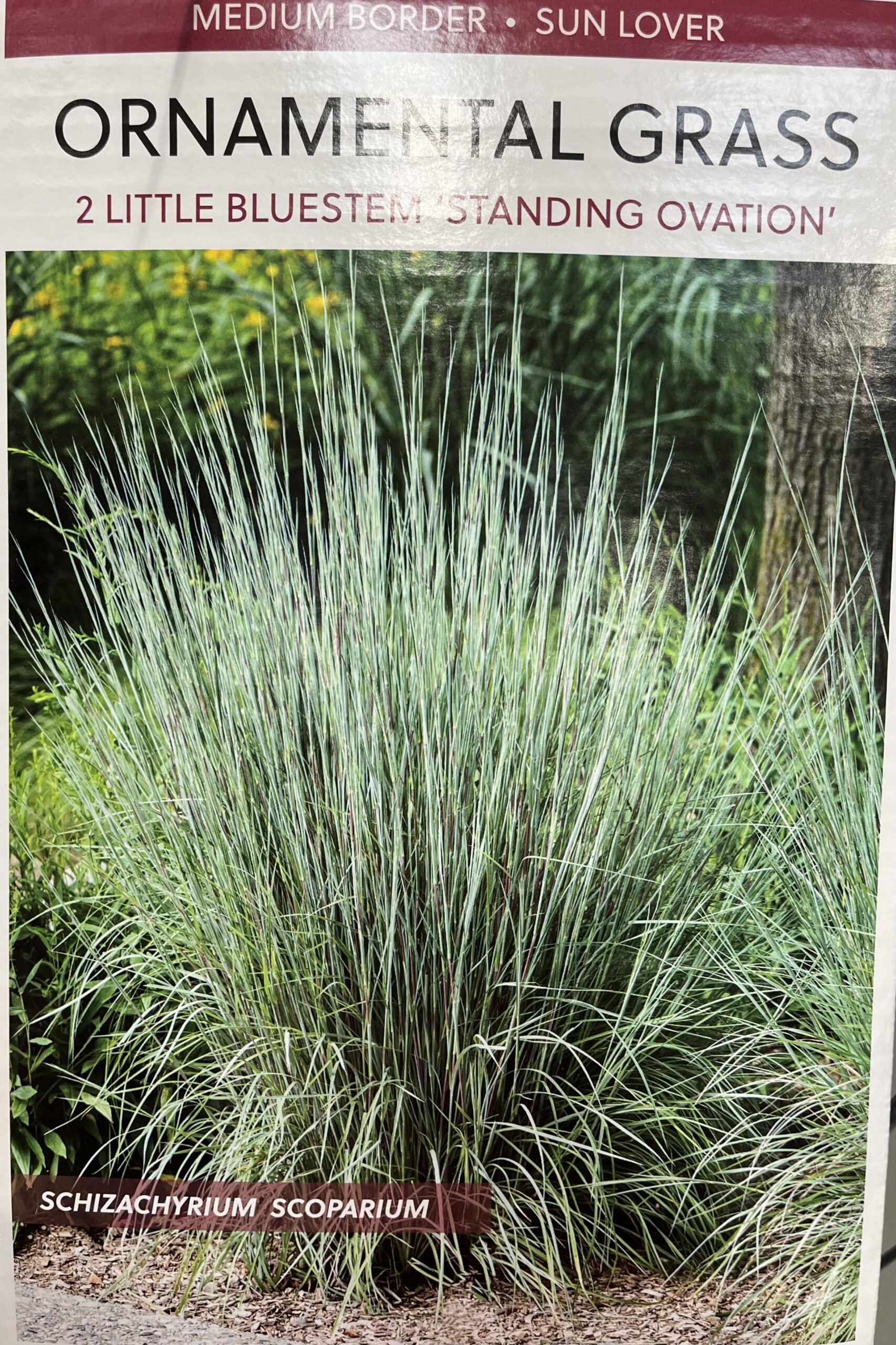
Yeah they’re not lying about the species. Its just not a wild type plant.
TryUnlucky3282
Which area?
polly8020
Cultivar
Parking_Low248
It’s a cultivar. Not always the worst thing, just something to be aware of.
marzipan1001
Standing ovation is a naturally occurring cultivar so it’s not the worst thing. Makes it less floppy
Amorpha_fruticosa
As others have said, it is probably a cultivar, though for a grass that may not be as bad of a thing because they aren’t selecting for flower changes. If the colour of the leaves is changed, that could be bad. But if the size is just changed, there is not too much of a problem with it.
dhgrainger
As long as the cultivar looks and behaves similarly to the species version it’s still good.
The problematic ones are those with wildly different flower colours, flower shapes (doubles) or those that have been developed to have features that aren’t beneficial such as not producing seed heads, having different fragrances or different leaf colours and shapes.
Imagine you’re a native creature and you know what your food/habitat/nesting material plant looks like. If you were to look at a cultivar and still recognise it as ‘your plant’ then it’s usually fine.
spencerctown
Native cultivar > nonnative. A step in the right direction
whateverfyou
Support an independent native plant specialist nursery. They’re doing the hard work. Costco is just jumping on the bandwagon wagon.
dragonflyhil1
Was this a bare root? Or potted plants?
No_Limit_1198
idk, Totally agree! It’s all about keeping that natural connection intact. If the critters recognize it, we’re on the right track!!
Macktheknife9
It is little blue stem, but it is a cultivar. Generally if you see a weird name e.g. “Standing Ovation” it’s a cultivar or non-native variant of the parent species. Some are fine and others may not be. Some cultivars are intensively bred to be produced and others are plausible hybridizations of native-occurring characteristics. Generally if a cultivar is relatively similar to its natively occurring parent the harm is minimal.
At the end of the day, a cultivar may not be “ideal” but it’s better than a non-native or invasive in most cases, and if it encourages people to think of natives as possible to plant in landscaping I view it as a net benefit.
Dent7777
They also sell liatris korms at a really good price


13 Comments
Yeah they’re not lying about the species. Its just not a wild type plant.
Which area?
Cultivar
It’s a cultivar. Not always the worst thing, just something to be aware of.
Standing ovation is a naturally occurring cultivar so it’s not the worst thing. Makes it less floppy
As others have said, it is probably a cultivar, though for a grass that may not be as bad of a thing because they aren’t selecting for flower changes. If the colour of the leaves is changed, that could be bad. But if the size is just changed, there is not too much of a problem with it.
As long as the cultivar looks and behaves similarly to the species version it’s still good.
The problematic ones are those with wildly different flower colours, flower shapes (doubles) or those that have been developed to have features that aren’t beneficial such as not producing seed heads, having different fragrances or different leaf colours and shapes.
Imagine you’re a native creature and you know what your food/habitat/nesting material plant looks like. If you were to look at a cultivar and still recognise it as ‘your plant’ then it’s usually fine.
Native cultivar > nonnative. A step in the right direction
Support an independent native plant specialist nursery. They’re doing the hard work. Costco is just jumping on the bandwagon wagon.
Was this a bare root? Or potted plants?
idk, Totally agree! It’s all about keeping that natural connection intact. If the critters recognize it, we’re on the right track!!
It is little blue stem, but it is a cultivar. Generally if you see a weird name e.g. “Standing Ovation” it’s a cultivar or non-native variant of the parent species. Some are fine and others may not be. Some cultivars are intensively bred to be produced and others are plausible hybridizations of native-occurring characteristics. Generally if a cultivar is relatively similar to its natively occurring parent the harm is minimal.
At the end of the day, a cultivar may not be “ideal” but it’s better than a non-native or invasive in most cases, and if it encourages people to think of natives as possible to plant in landscaping I view it as a net benefit.
They also sell liatris korms at a really good price