
I want to add some ground cover to my shady front lawn in Atlanta. Right now I’m working out what I want to do for the sloped area. I’m thinking asiatic jasmine or creeping Jenny. Which makes better ground cover for a slope?
by otter_fool

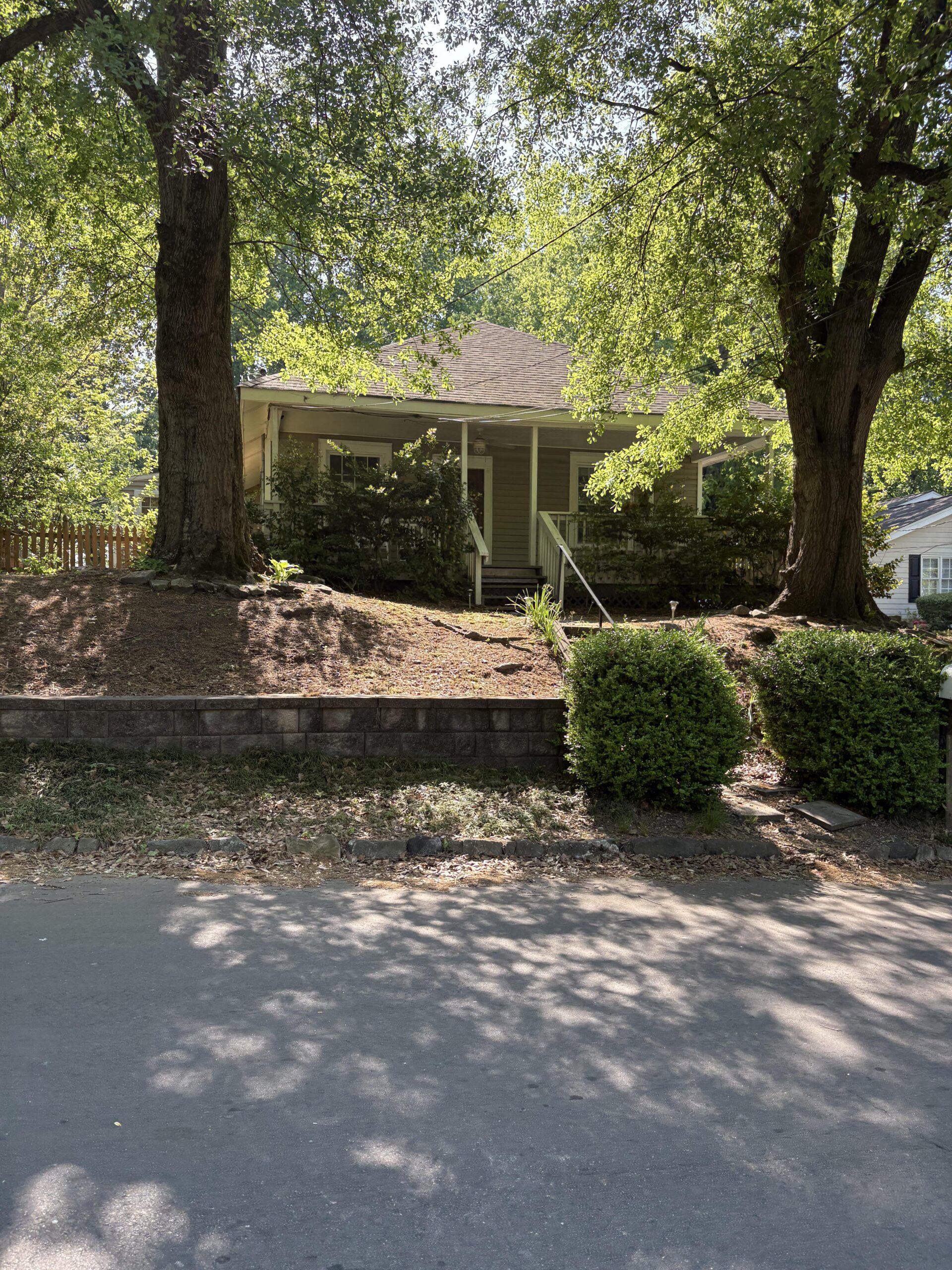
I want to add some ground cover to my shady front lawn in Atlanta. Right now I’m working out what I want to do for the sloped area. I’m thinking asiatic jasmine or creeping Jenny. Which makes better ground cover for a slope?
by otter_fool
11 Comments
What zone and climate
Please consider natives instead of invasives.
https://www.ajc.com/lifestyles/garden/forget-kudzu-these-common-plants-will-devour-your-garden/pW1JGkElDRHh3GbCfZhiWK/
r/nativeplantgardening
ETA: https://fieldreport.caes.uga.edu/publications/C1238/ground-covers-for-shaded-landscapes-in-north-georgia/
Suggest to Go for something native to your area. Those two suggestions are invasive and not native to the Americas.
Ferns!
The sunnier areas would love strawberries, and the shaded area…take your pick really, anything works there.
If it’s in your range, bluebells and wild ginger would do really well here.
Native ferns for the shady areas. Agree that something native is critical. Black eyed susans are native, spread, and bloom prolifically. You would need to check if they are native to your area.
Hi, I’m a native landscape pro in Atlanta! This would be a prime spot for a combo of Christmas fern, evergreen heartleaf ginger (Hexastylis sp.), and a dense planting of shade loving sedges. Pennsyvania sedge will slowly fill in to cover. Wild strawberries are a great suggestion too and will do the same thing. Partridgeberry, creeping phlox and woodland sedum (Sedum ternatum) would all do great trailing over that wall. And get you some violets! (Don’t pay money for them though. Just transplant from wherever you can find them.) Always plant densely, but especially on slopes. Use small plant starts, landscape plugs if you can, and try for one plant per square foot.
Some local native plant sources I love:
Beech Hollow, Trees Atlanta sales, Cottage Garden Natives, Wild Roots, Nearly Native Nursery, Community Foodscapes, Botany Yards, GSU Native Plant Botanical Garden sales (spring only), Baker Environmental Nursery
Georgia Native Plant Society also keeps a list of plant sources and local pros on its website: [https://gnps.org/plantsources/](https://gnps.org/plantsources/)
Shoot me a DM if you’d like some professional help – we’re getting fall plantings ready soon!
Neither, you should look to Carex pennsylvanica.
If I knew how to edit this, I would add- I now know that creeping Jenny and asiatic jasmine are INVASIVE, so I won’t be using either! I’m going with natives!
Creeping Jenny is another name for field bind weed. That stuff it evil. I’m fighting a war with it right now. It winds its way up other plants and strangles them.
You can find a non-invasive cousin of Creeping Jenny in the form of some Morning Glories native to your area – [https://www.facebook.com/UGACoastalEcologyLab/posts/welcome-back-to-the-plantparade-our-native-plant-species-of-the-week-is-tievine-/1020341110105284/](https://www.facebook.com/UGACoastalEcologyLab/posts/welcome-back-to-the-plantparade-our-native-plant-species-of-the-week-is-tievine-/1020341110105284/)
You can companion plant different plants the bloom at different times so that you increase the frequency of color in your yard – Creeping Myrtle or Lobelia blooming the spring and Morning Glories later in the season. Creeping Thyme is always a classic and will keep the area green almost year-round.