
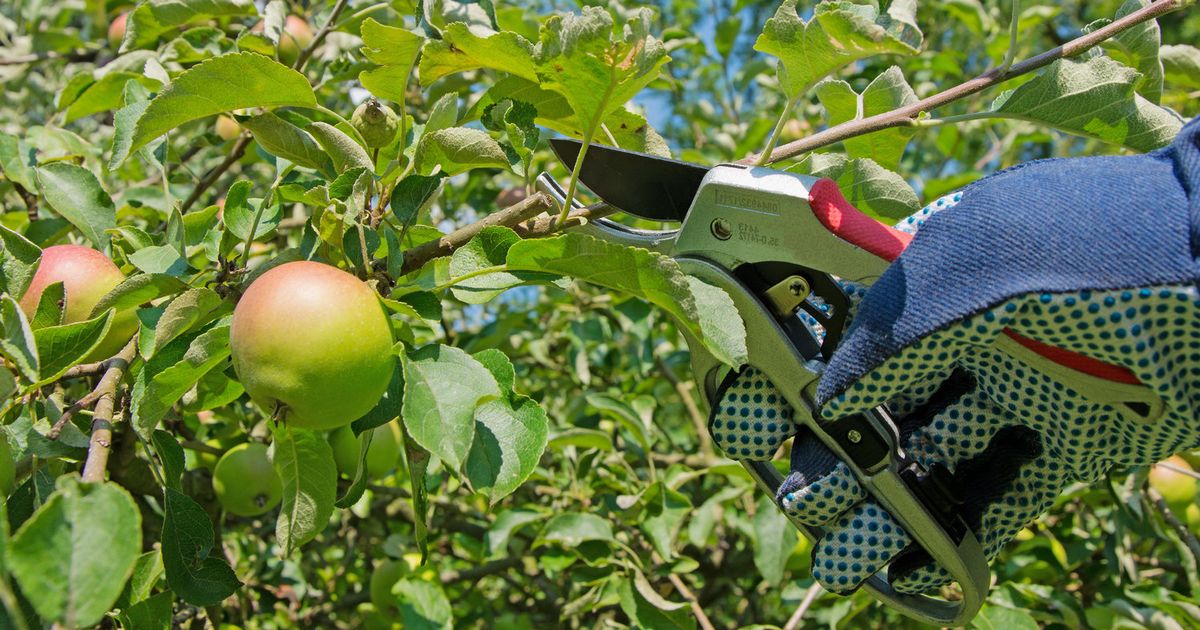
The case may have been closed several years ago, but that doesn’t mean that the rows can’t spark again elsewhere in the country The apple trees are dropping fruit, but make sure you’re not being dropped into legal trouble(Image: Alamy/PA)
UK households with apple trees in their gardens could face a £200,000 fine following a court dispute. A gardener whose rotten apples fell into a neighbour’s garden has lost a court hearing and is now required to pay £200,000 in costs.
The bullying gardener faced this substantial court bill after her neighbour sued over the fallen apples and has since lost an attempt to appeal the decision. The pair clashed in court after falling out over a series of issues, including Mrs Williams’ 40ft tree dumping hundreds of rotting apples onto Mrs Pilcher’s lawn each year.
Mrs Pilcher had previously been hospitalised after being stung by the wasps and said she could not use the bottom of her garden due to swarms of the nasty critters. The menacing situation left her feeling “like a prisoner” in her home. She sued, accusing Mrs Williams of a campaign of “creepy” harassment during the dispute.
The neighbours’ dispute over the tree was resolved during the trial, with Mrs Williams agreeing “to have the tree professionally pruned so that it is well away from the boundary.”
While the case concluded in 2021, and the appeal was denied in 2022, as apple season comes to an end and people see the rotting fruit below the branches of their trees, old tensions could reignite new rows.
Gardening experts over at Toolstation told BirminghamLive: “If one neighbour wishes to remove or heavily prune a tree that the other neighbour values, disputes can arise over the impact on the view, shade, or privacy. “
“But, some trees may be protected by a Tree Protection Order which makes it an offence to uproot, top or destroy them,” the experts warn.
You can find out by contacting your local council for a map that shows this information. “Most of the time, it’s easy to determine who owns the fence as the fence posts will usually be on the owner’s side,” they add.
“When branches, vines, or roots from one neighbour’s tree or plant extend into the neighbouring property, it can lead to disagreements over potential damage to structures, blocked views, or the burden of maintenance,” reveal the pros.
“If you’re not sure, have a chat with your neighbours to let them know what you’re planning and, if there’s an issue, get in touch with your local council who can give you more guidance,” advise the gardening experts.
They say: “Additionally, the height of fences or hedges can cause disputes between neighbours if one party feels the height has exceeded the two metre guidance.
“Hedges and fences should be no more than two metres high, and you could be asked by the council to take them down if a neighbour complains about the height.
“Luckily, standard fence sizes are less than two metres tall so you shouldn’t have a problem.”
Comments are closed.