
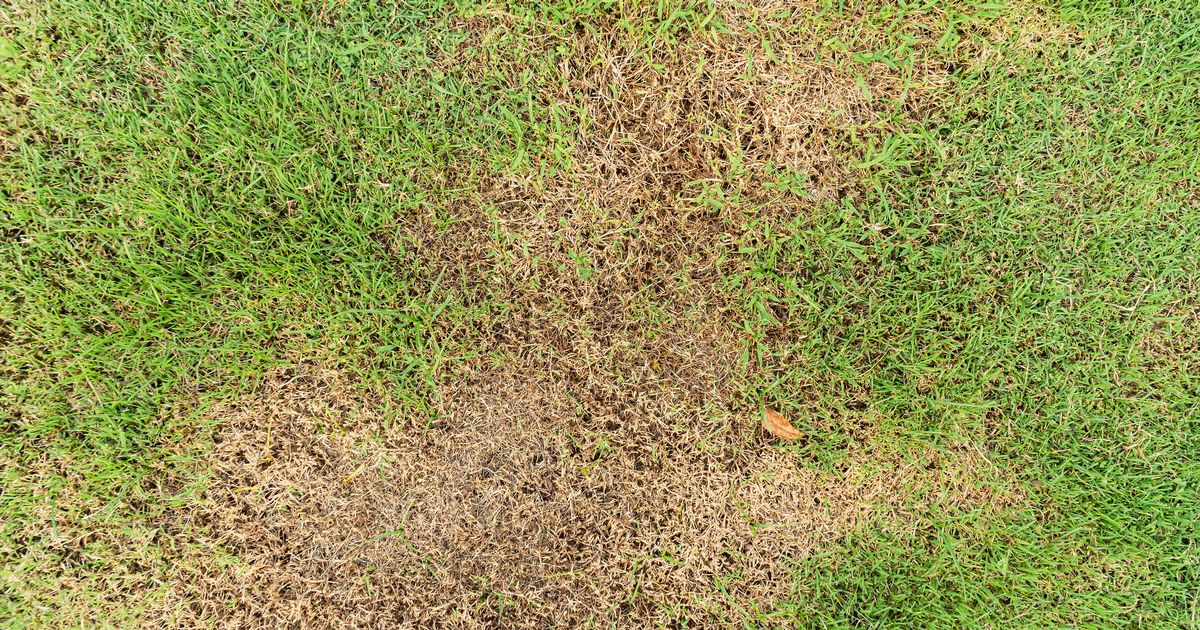
Brown patches on a lawn can be a sign of underlying issues that need addressing to help the grass thrive.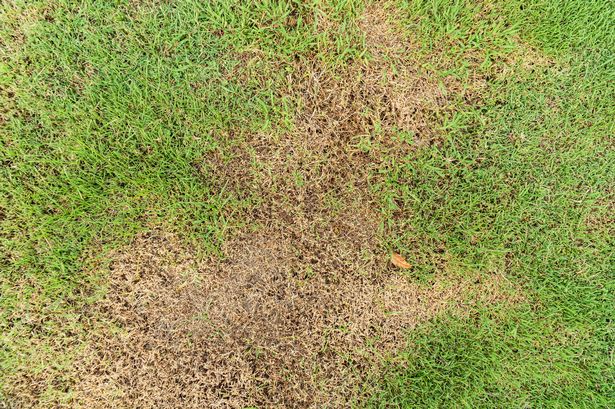 This is what you should do if you have dark patches on your garden grass(Image: Getty Images)
Getting your lawn ready for the summer period can be tiring, but the work doesn’t stop once hotter weather sets in. Looking after garden grass during summer and through to the cooler months is just as important for keeping a healthy lawn.
Despite giving it your best efforts, issues can still arise. Faded, brown areas are an obvious sign that grass needs extra attention, and these patches might appear for various reasons.
During the transition from summer to autumn, there are a few possible causes of these brown patches, gardening experts say.
Phil Catron, president and founder of NaturaLawn, revealed that in summer periods, dry spells and too much water usually lead to grass harm.
Sign up to our Manchester property newsletter here
Talking to Martha Stewart, he said that fungal problems often come from “warm, humid weather”, making lawns vulnerable to root-damaging conditions.
These issues often show up as faded brownish areas linked to three common diseases, reports the Express.
Brown patch illness produces uneven patches of discoloured grass blades that stand out when turf gets waterlogged. Summer patch shows itself as dying or thin grass that first turns yellow before breaking down to an unsightly brown colour.
Pythium blight, also known as “grease spot” or “cottony blight”, is a serious problem that hits lawn grass in warm, damp weather. This disease can create sunken, brownish areas throughout lawns, along with a slimy film on grass blades.
When it comes to the most effective remedy, Phil noted that there isn’t one universal answer.
However, he urged gardeners to think about improving air flow and soil drainage as a brilliant first step. He warned against over-fertilising and suggested using fungicides.
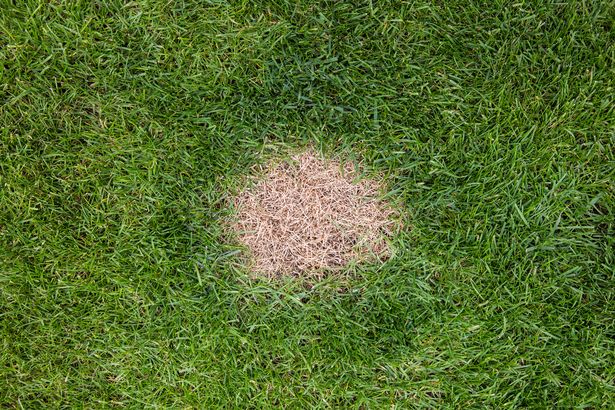 Brown patches can appear on grass after summer(Image: Getty Images)
A neighbourhood gardening expert can determine the fungus type and recommend the most appropriate fungicide.
Phil said: “Keep an eye on lawn conditions and be proactive about addressing any signs of disease to minimise damage and improve recovery chances.”
In cases where brown patches are fungal, it’s vital to tackle the problem as swiftly as possible. If the infection goes untreated, the grass could die.
Advice from the Royal Horticultural Society suggests repairing damaged or bare lawn sections gradually.
Affected areas can be treated with fungicide and reseeded or patched. Simply use a piece of turf dug up from another area of the lawn, or new turf if available.
The RHS explained: “The latter gives instant results, but sowing seed may be easier and cheaper if you have no spare turf to use as a patch.”
It’s possible that the reason for brown patches on your lawn isn’t fungal.
Lucie Bradley, gardening expert from Easy Garden Irrigation, told David Wilson Homes that cat and dog urine can kill grass due to the high nitrogen content. “This can act as a fertiliser in small amounts but can burn when concentrated and create dead patches on the lawn”, Lucie explained.
Join the Manchester Evening News WhatsApp group HERE
Comments are closed.