
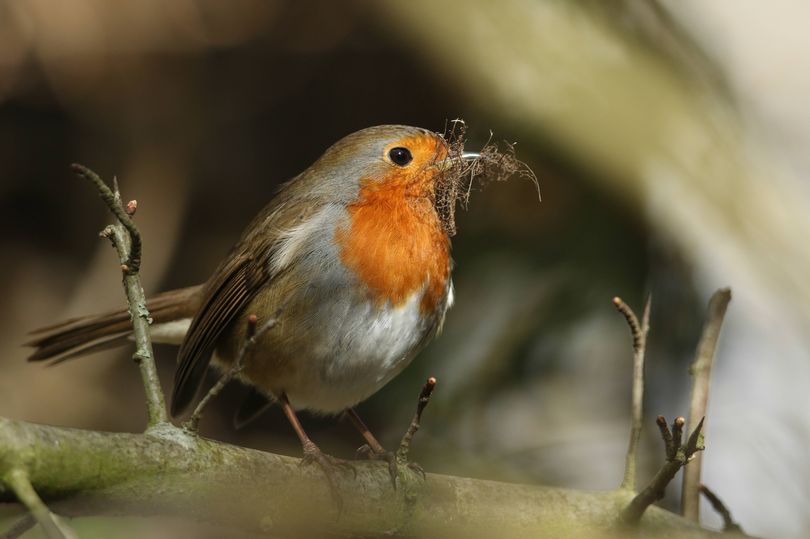
August marks the start of the conclusion of peak season for garden birds as sparrows, starlings, blackbirds, robins and numerous other British favourites witness their offspring leave the nest and start to survive and forage independently.
To assist these young birds throughout the summer period, gardeners are encouraged to place two types of fruit on their lawns and bird tables.
The RSPB advises that gardeners should provide a range of foods for different species throughout various seasons, encompassing everything from sunflower seeds to raw oats, suet and mealworms.
READ MORE: Robins will visit your garden every day if you do 1 simple thing before August ends
READ MORE: Ruth Langsford shares heartbreak over son Jack as she admits ‘I feel a great sadness’
Additional garden specialists support the significance of summer bird feeding.
CJ Wildlife states that birds require extra energy during summer to nourish their offspring, and it’s no longer accurate that people should only provide food during winter or spring months, reports the Express.
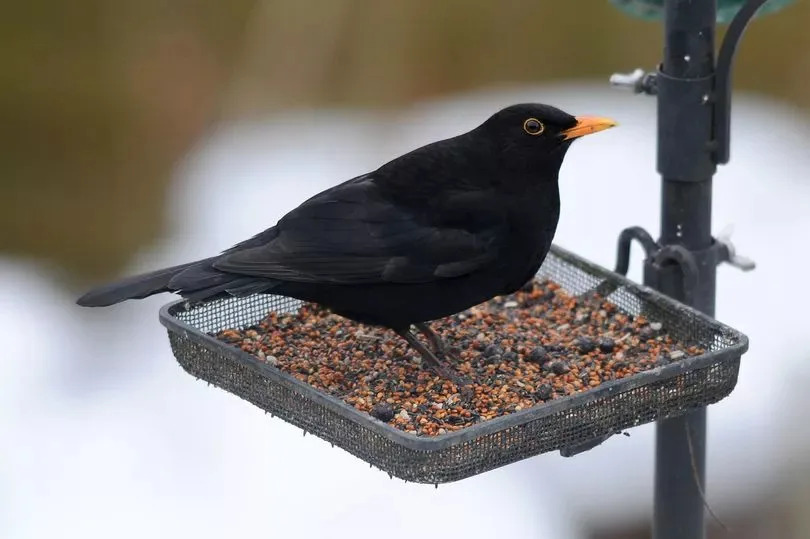
Experts have issued advice on how to help protect birds like blackbirds -Credit:PA
The specialists explained: “Not long ago, many believed that garden birds should only be fed during the winter months. However, long-term studies have shown that offering food to garden birds year-round is beneficial, supporting declining species and allowing you to learn more about your garden visitors.
“Feeding wild birds during the summer helps busy parents top up feeders and provide all the natural food their young need. Well-stocked bird feeders can be a lifeline for young birds as they learn how and where to find food locally.
“Bird populations are at their highest in the summer, so a regular supply of quality food helps birds get the energy they need amid increased competition for natural foods.”
However, if you’re looking for a swift and affordable method to assist birds, you can put out two types of fruit – apples and pears, chopped up and placed on the grass or on a bird table or feeder.
The RSPB explains: “You can put out leftovers such as dried fruit, or fruit such as apples and pears. Don’t use anything mouldy or salty, though, and if you have a dog, don’t put out dried fruit – vine fruits, such as raisins, can be toxic to them.
“Fruit, especially bruised apples and pears, will be popular with thrushes and blackbirds.”
Various birds feed in different spots – some prefer to “ground feed” rather than visiting a bird table.
The RSPB notes: “Blackbirds are too large to access most hanging bird feeders. To attract them to your garden, it’s best to put out food on a bird table or scatter it on the ground.”
This applies equally to sparrows, dunnocks and doves, which also favour ground feeding, though they typically consume seeds.
When placing food on the ground, however, ensure it’s in an open area, well away from hedges and anywhere a cat might lurk.
Birds won’t feed where they can’t protect themselves from predators such as cats, or might face danger if compelled to feed close to feline hiding spots. If you utilise a bird table, it’s crucial to clean it regularly with hot, soapy water if it’s flat.
This is in response to the RSPB recently halting the sale of flat, open bird tables while they probe whether these types of feeders could be aiding the spread of disease.
The RSPB further stated: “Bird feeder hygiene is very important. Brush off debris every time you put out fresh food and scrub feeders with mild disinfectant solution weekly.”
Comments are closed.