
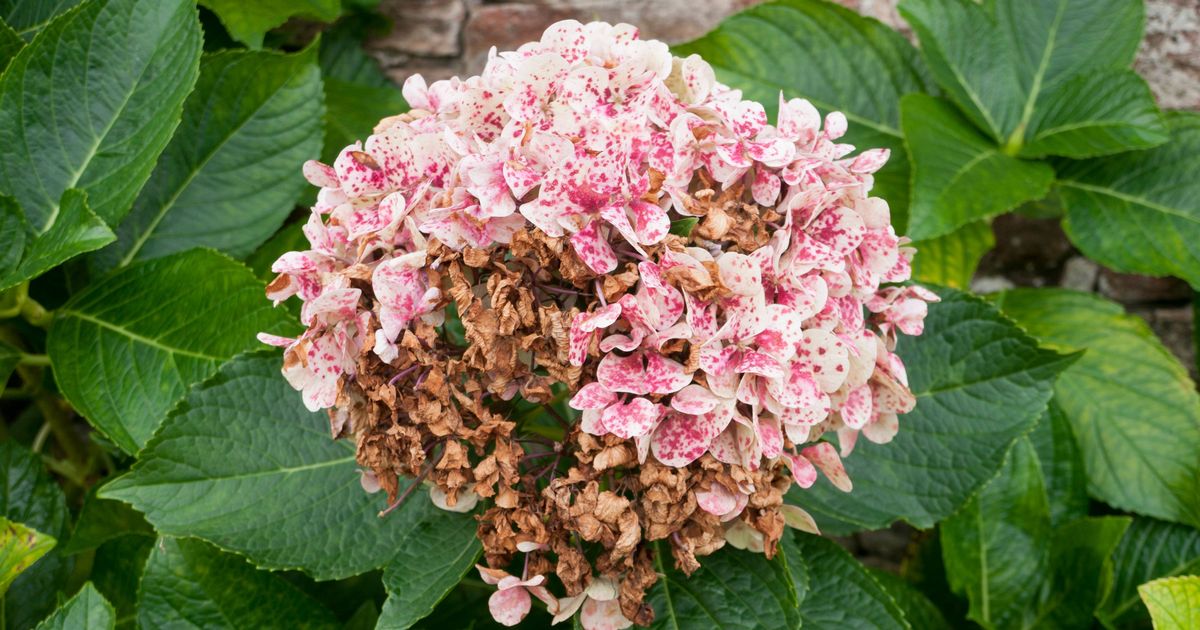
Hydrangeas can wilt on a hot day even when the soil is moist – most gardeners water them too much in summer and drown the roots so it is important to water them properly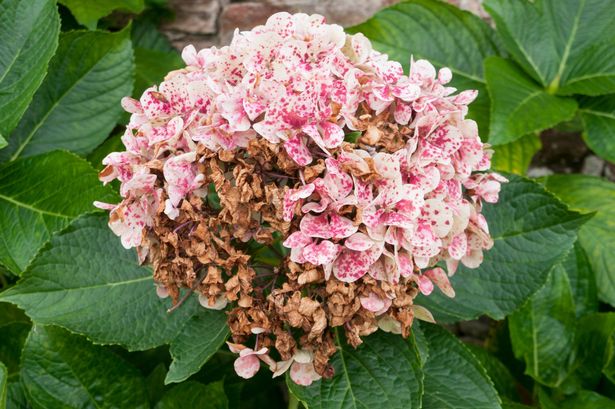 Hydrangeas can begin to wilt (Image: Dario Pena via Getty Images)
Hydrangeas are moisture-loving plants with shallow root systems, making proper watering during Devon’s sizzling summer absolutely crucial for their survival. A common error amongst gardeners is daily watering throughout summer, which can actually cause significant harm to the plant.
These plants often wilt during hot days due to heat stress, even when the soil remains moist, leading to frequent overwatering and potential root drowning. Yet Britain’s unpredictable summers can also result in underwatering if hydrangeas aren’t monitored carefully, as they extract considerable moisture from soil to stay cool.
Michael Jacobson, a specialist from French Florist, explains that maintaining hydrangea hydration may appear challenging but is straightforward if you simply check them during evening hours. He explained: “When hydrangeas are running low on moisture their leaves will noticeably droop. Watering them well can reverse this appearance, even as quickly as a few hours later. Hydrangea leaves may also curl to protect themselves in high temperatures, so it’s worth waiting until the evening when it’s cooler to see if the leaves have unfurled before watering.”
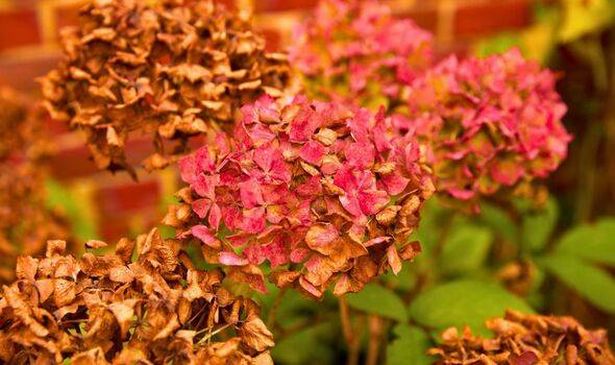 It is really easy to overwater or underwater hydrangeas in summer(Image: Getty)
Should a hydrangea appear droopy or wilted during cooler nighttime temperatures, then watering is required, which explains why many gardeners prefer to assess their plants after sunset. However, it’s generally not advisable to water hydrangeas in the evening as this is when slugs are most active and the added moisture can attract more of these pests to your garden.
Instead, inspect your hydrangeas in the evening but hold off on watering them until morning. This provides them with the necessary moisture to withstand the day’s heat, as per the Express
Hydrangeas tend to lose a significant amount of soil moisture in the summer due to evaporation, but watering in the morning allows the water sufficient time to reach the roots before the afternoon heat peaks. As hydrangeas are more active in the morning, watering at the right time ensures the roots stay hydrated, resulting in a healthier plant that will bloom for longer during the summer.
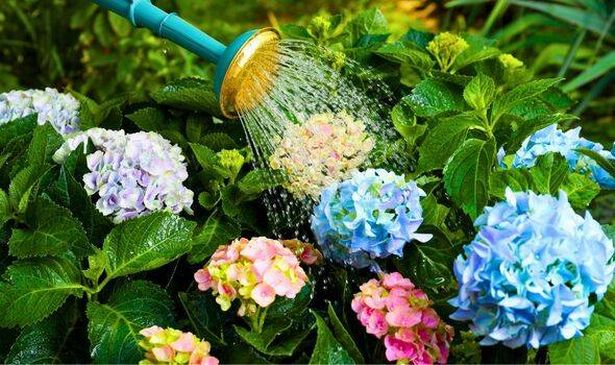 Check hydrangeas in the evening but wait until the morning to water them if they need it(Image: Getty)
It’s usually best to check if hydrangeas need watering every two to three days in the summer, then water them deeply rather than lightly sprinkling them daily. Always aim for the soil and avoid getting water on the leaves or flowers of the hydrangea, as leaving them damp can promote mould growth.
By checking on your hydrangeas every few nights and watering them the following day, you’ll enjoy an abundance of robust blooms that remain spectacular despite the dry, hot weather.