
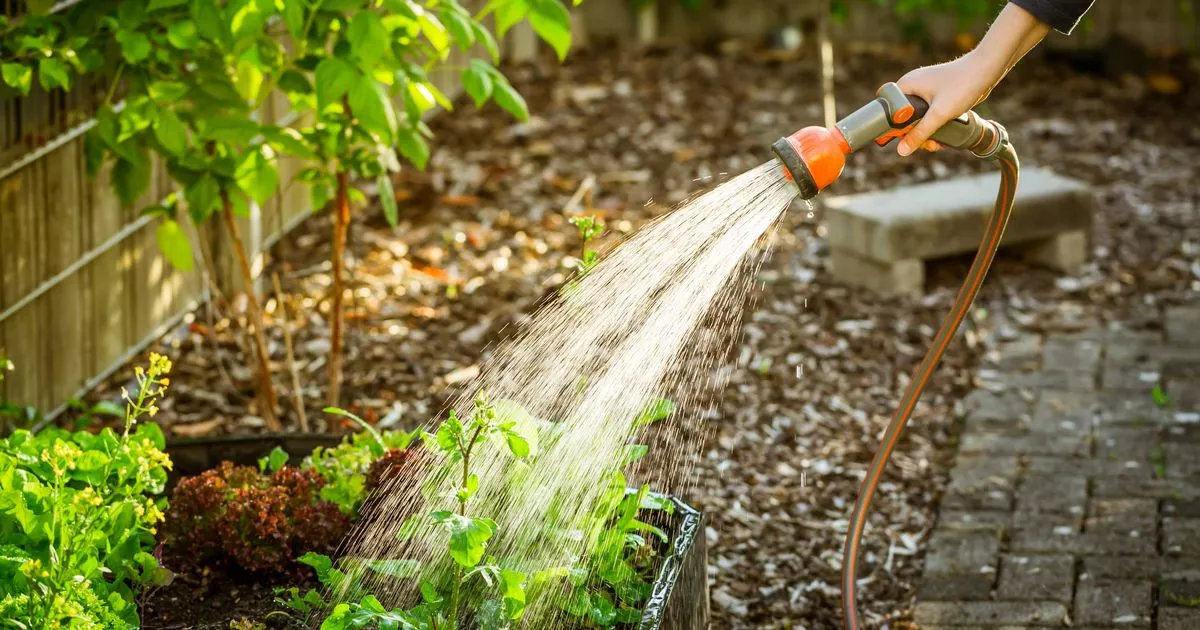
As temperatures continue to rise across the UK, gardeners are being warned not to make two common mistakes when it comes to watering their plants in hot weather Gardeners have been urged to take care in hot weather (stock photo)(Image: brebca via Getty Images)
As temperatures soar again in the UK, with some regions bracing for highs of 33C this coming weekend, gardeners are being warned to avoid two widespread mistakes with their plants amidst the rising mercury. The extreme heat affects not just people but also our verdant companions, risking wilting blooms without due diligence during warm spells.
Gardening expert Michael Griffiths posted a video on TikTok to dismiss a pair of garden watering myths believed by many to be vital practices. Through his video, he claimed adherence to these so-called rules could actually cause more damage to your garden, potentially leaving plants parched.
1. Myth: Watering in full sun can burn your plants
Dispelling the myth that watering in the full sun can scald your plants, Michael explained that while conventional wisdom holds that water droplets act as lenses intensifying the solar rays, plants generally endure rain and sunshine without succumbing to leaf burn.
He remarked: “The reality is, plants survive quite happily in sun and showers and don’t suffer from leaf scorch.”
2. Myth: You can’t water during the day
Dismantling another widespread belief, he implied that watering your greenery during daylight hours is not a horticultural faux pas.
Content cannot be displayed without consent
But in the midst of scorching weather and parched soil, giving your flora an additional afternoon watering is quite alright to prevent them from wilting under the intense heat.
Michael mentioned: “That’s not the only time you can water. If your plants are thirsty in the midday sun, give them a water. Yes, you’re going to use more water due to evaporation and transpiration, but you’re certainly not going to harm them.”
How to take care of plants in hot weather
1. Water Wisely
Water early in the morning or late in the evening to reduce evaporation.Water deeply and less frequently to encourage deep root growth.Focus water at the base of the plant, not the leaves, to prevent fungal diseases and minimize evaporation.Use mulch (straw, wood chips, or compost) around the base of plants to retain moisture and keep roots cool.
2. Provide Shade
Use shade cloth, old sheets, or garden umbrellas to protect sensitive plants from the harsh midday sun.Move potted plants to shaded or partially shaded areas during extreme heat.Plant taller crops or use trellises to create natural shade for smaller, more delicate plants.
3. Reduce Stress
Avoid fertilizing during heat waves, as this can stress plants further.Hold off on pruning, which can expose more plant tissue to the sun.Remove weeds, which compete with your plants for water and nutrients.
4. Monitor Soil and Plants
Check soil moisture regularly; hot weather can dry soil quickly.Watch for signs of heat stress: wilting, leaf scorch, or leaf drop.Mist delicate plants lightly if they are struggling, but avoid overwatering.