
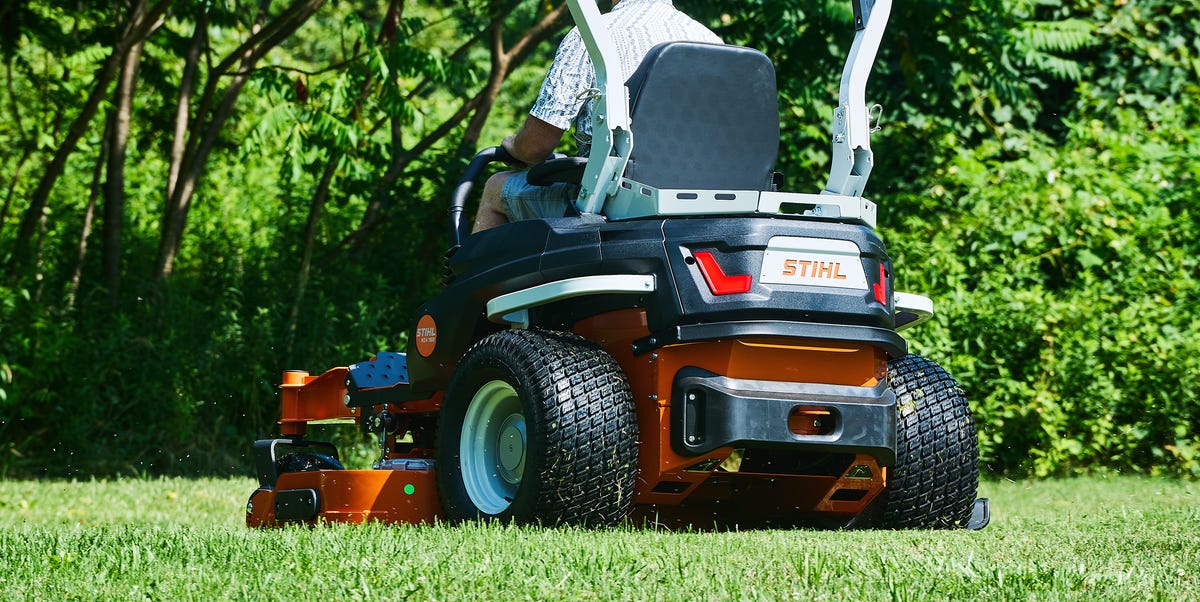
Mowing your lawn each week during summer might seem as easy as pushing your mower without much thought. But when it comes to grass cutting, height matters. Cutting too short can stress the grass and invite weeds. Letting it grow too long makes it look unkempt and attracts pests. So, how do you find the right height and the best mowing schedule to maintain it? We spoke with Dr. Zane Raudenbush, Turfgrass and Herbicide Specialist at the Davey Institute, to get expert advice on mowing smarter, not just more often.
The Expert (Debbie Wolfe): With 27 years of hands-on experience alongside my garden-savvy husband, I’ve picked up everything I know about lawn care right in our own backyard. I’ve also written about lawns, gardening, and home DIY projects for outlets like HGTV and Bob Vila.What Height Should You Cut Your Lawn?
The right mowing height depends primarily on your grass type. “Knowing your grass type is key because each category has different optimal mowing heights,” says Dr. Zane Raudenbush.
Related Story
Cool-season and warm-season grasses each thrive at different heights and setting your mower too low or too high can cause stress, increase disease risk, or leave your lawn looking uneven. Here’s a breakdown of the recommended mowing heights for common turf grasses:
Kentucky Bluegrass: 2.5-3.5 inchesTall Fescue: 3-4 inchesPerennial Ryegrass: 2-3 inchesBermudagrass: 1-2 inchesSt. Augustine: 3-4 inchesZoysiagrass: 1-2.5 inches
For lawns in the transition zone, where both warm-season and cool-season grasses can grow, but neither type thrives year-round due to the area’s mixed climate, aim for a mowing height between 2.5 and 3 inches. Watch how your lawn responds and adjust as needed. “Setting the wrong height can stress your lawn,” explains Dr. Raudenbush. “Cutting cool-season grasses too short can weaken them, while letting warm-season grasses grow too long can make them spongy and more susceptible to disease.”
Seasonal Mowing Adjustments
Mowing height isn’t a set-it-and-forget-it task. It should shift with the seasons to help your lawn stay resilient. “In summer, raise your mowing height by half an inch to an inch,” advises Dr. Raudenbush. “Taller grass shades the soil, conserves moisture, and protects roots from heat stress.” Letting the grass grow slightly taller during hot, dry months gives it a better chance to survive heat waves and drought.
In the fall, a slightly lower cut is best, especially for warm-season grasses. “Lowering the height slightly helps prepare the lawn for dormancy and reduces the risk of disease,” he says. Skipping these seasonal adjustments can leave your lawn scorched in summer or vulnerable to matting and mold during the colder months.
Keep Mower Blades Sharp
Don’t overlook your mower’s blade. A dull blade tears grass instead of slicing it cleanly, leaving frayed tips that brown quickly and are more prone to disease. “A sharp blade makes a clean cut, reducing stress on the grass and lowering the chance of disease,” says Dr. Raudenbush. He recommends inspecting the blade every 20 to 25 hours of mowing or at least once each season. “If you notice ragged cuts or brown tips, it’s time to sharpen or replace the blade.”
Related StoryHow Much to Cut Off at a Time
Mowing isn’t just about frequency; it’s about how much you cut. Follow the one-third rule: never remove more than a third of the grass blade’s height at one time. “Removing more than a third of the grass blade at one time shocks the plant,” explains Dr. Raudenbush. “It disrupts photosynthesis, slows root growth, and can cause yellowing.” He recommends gradual, consistent trimming to build a dense, resilient lawn.
Related Story
If you return from vacation to find your lawn overgrown, it’s best not to cut it all at once. Instead, use a double-cut approach: mow a third of the height, then wait a few days before mowing again. This reduces plant shock and helps the grass recover more easily. If that’s not reasonable for your life and schedule, it would still be ideal to do a double cut, even if you do one pass at a higher height and then a second pass slightly lower.
Adjusting Mowing Frequency Throughout the Year
As grass growth changes throughout the year, your mowing schedule should adapt. Dr. Raudenbush recommends the following schedule:
Spring: Mow every 4 to 7 days when growth is at its peak.Summer: Mow every 7 to 14 days, depending on weather and rainfall.Fall: Mow every 7 to 10 days, then reduce frequency as growth slows.Winter: Mowing is usually unnecessary unless there’s a growth spurt.
A helpful rule of thumb: if the lawn looks uneven, the grass starts folding over, or you can’t see the soil between blades, it’s time for a trim.
What to Do Before You Mow
Proper preparation before mowing helps ensure a cleaner cut and lowers the risk of damaging your grass or your mower. “Always mow on dry grass,” advises Dr. Raudenbush. “Wet grass tears easily and can clog your mower. Clear the area of toys, sticks, or rocks to prevent damage. And before each mow, make sure your mower height is set appropriately for the current season and your grass type.” Skipping these basic steps can lead to common issues such as scalping, soil compaction, or equipment damage.
Support Your Lawn Post-Mow
Once you’ve mowed, a few simple actions can help your lawn recover and thrive. “Leave clippings on the lawn if they’re short—they return valuable nutrients and help retain moisture,” says Dr. Raudenbush. “Only bag them if they’re long or wet.”
If your lawn looks stressed, especially after summer mowing, give it a light watering to help it recover. Dr. Raudenbush also recommends checking for bare spots or areas prone to weeds and addressing them right away. Consistent post-mow care plays a key role in keeping your lawn healthy and looking its best.
FAQ
What if you’ve let the lawn grow too long?
Gradually reduce height over a couple of mowings instead of scalping. The double-cut method, where you essentially mow at a taller height the first day and then a lower setting one or two days later, prevents shock by allowing the grass to recover between trims.
Should you bag or mulch clippings?
Mulch when mowing regularly. Mulching returns finely chopped grass clippings to the lawn, where they decompose and recycle valuable nutrients, such as nitrogen, back into the soil. This helps improve lawn health and reduces the need for fertilizer. Use a bag only when cutting long or wet grass, as excessive clippings can clump, smother the lawn, or promote disease.
If you’re using a side-discharge mower, watch for piles of clippings that can block sunlight or trap moisture—these should be spread out or raked up to prevent damage to the turf. You can also mow over these piles to help break them down further and disperse them.
Do robot mowers help maintain mowing height?
Yes, they can help maintain consistent height and reduce stress on the grass. Robot mowers are designed to cut frequently, often daily or several times a week, which means they trim only a small portion of the grass blade each time. This approach mimics the ideal mowing routine by avoiding large, stressful cuts and promoting a denser, healthier lawn over time.
Recommended Tools + Products EGO 21-Inch Battery Lawn Mower Kit
Now 5% Off
This adjustable, battery-powered mower is a breeze to use. It features its dual‑lever height system, which easily shifts between multiple cutting heights for crisp, clean cuts every time, giving your lawn that sharp, professionally trimmed look.
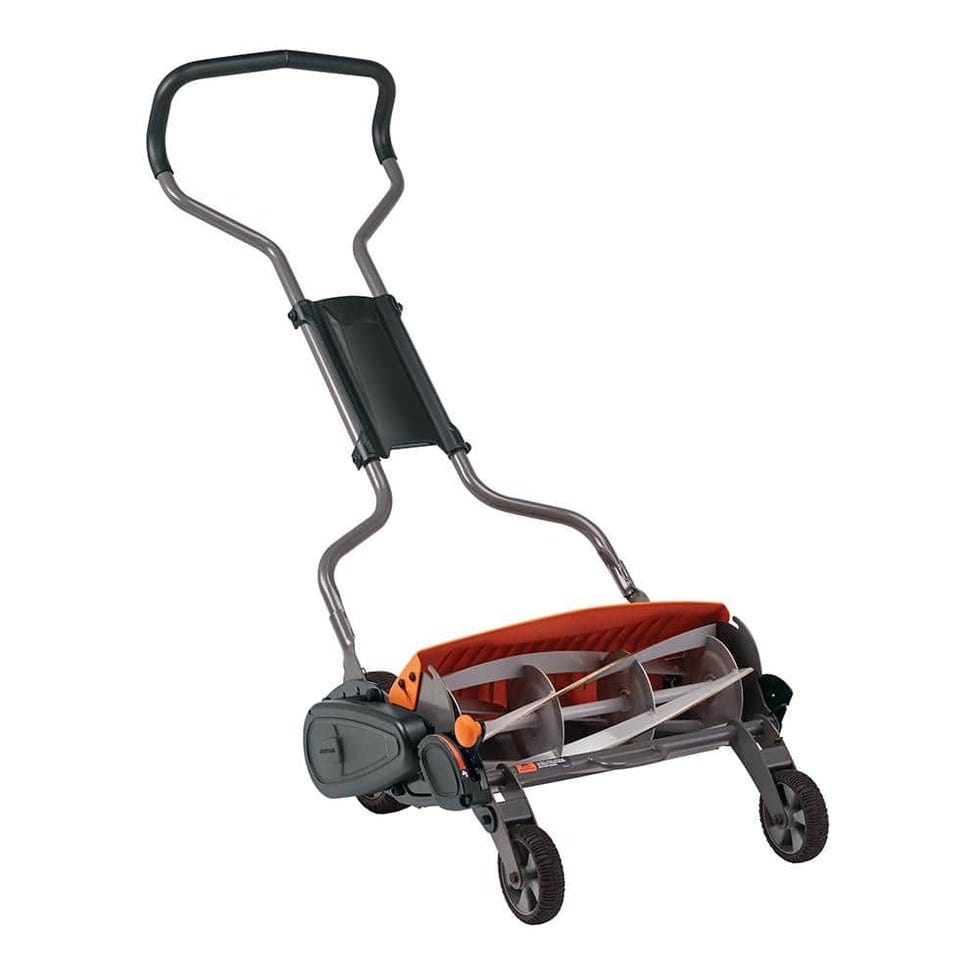 Fiskars StaySharp™ Max Reel Mower
Now 9% Off
This manual reel mower is perfect for small lawns. Its light push design makes it 60 percent easier to use than standard reel mowers, and the 18-inch adjustable cutting width delivers a clean, precise cut without gas, oil, or noise.
 Segway Navimow i110 Robotic Mower
This smart, autonomous robot mower utilizes GPS and AI-powered onboard sensors, eliminating the need for a boundary wire to map your yard. It delivers clean, edge-to-edge mowing with minimal setup and hands-off operation.
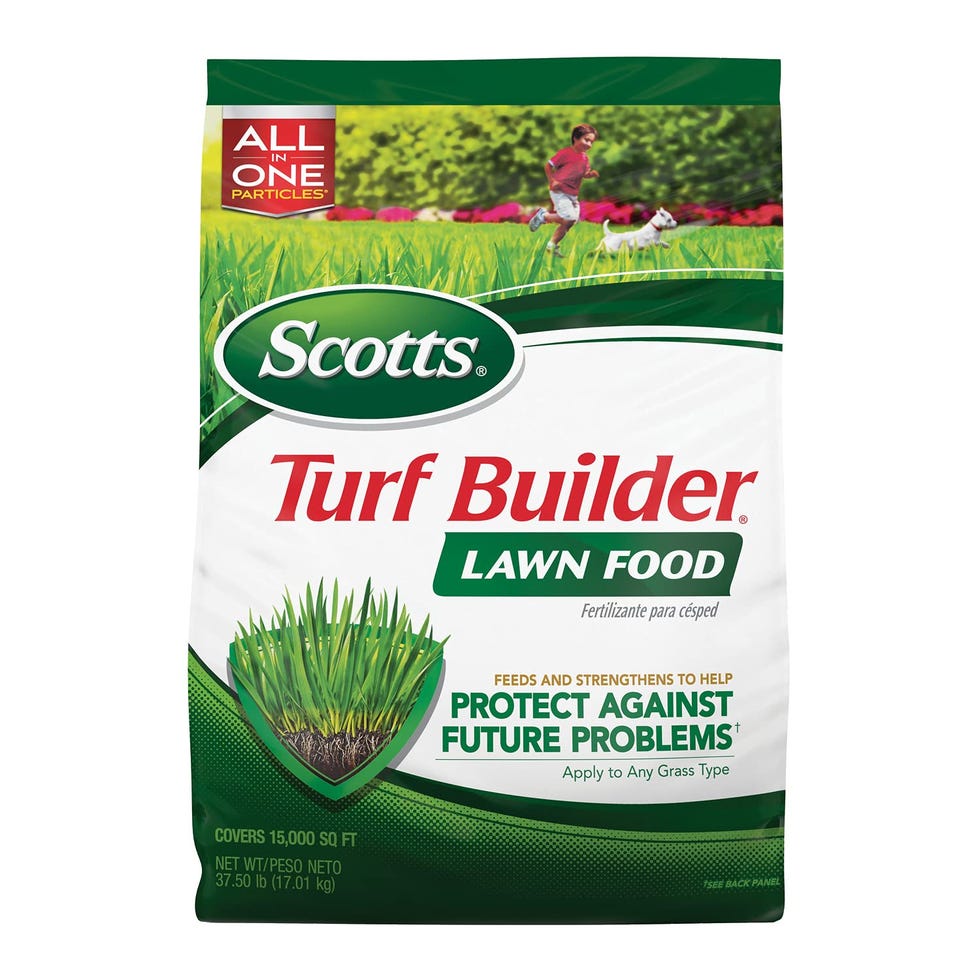 Scotts Turf Builder Lawn Food
Now 14% Off
This all-around fertilizer nourishes and strengthens most grass types, promoting deep root growth and improved nutrient and water uptake so your lawn bounces back healthier after mowing. Its versatile formula supports vigorous regrowth across cool and warm-season grasses.

Debbie Wolfe is a writer, photographer, and author. She has contributed hundreds of home and garden articles and DIY tutorials to leading media outlets and retailers. Debbie covers all home and gardening topics and has published hundreds of DIY tutorials with step-by-step photography for leading home and garden media outlets.

Zane Raudenbush, Turfgrass & Herbicide Specialist with the Davey Institute, a research-driven tree services, grounds maintenance and environmental consulting company, has an active role in the development of a strategic research plan for the Davey Institute’s new research campus in Kent, Ohio. He obtained a bachelor’s degree in plant science from Rutgers University with a concentration in turfgrass and has a master’s degree and Ph.D. from Kansas State University in turfgrass weed science. He previously owned and operated his own lawn care business.