
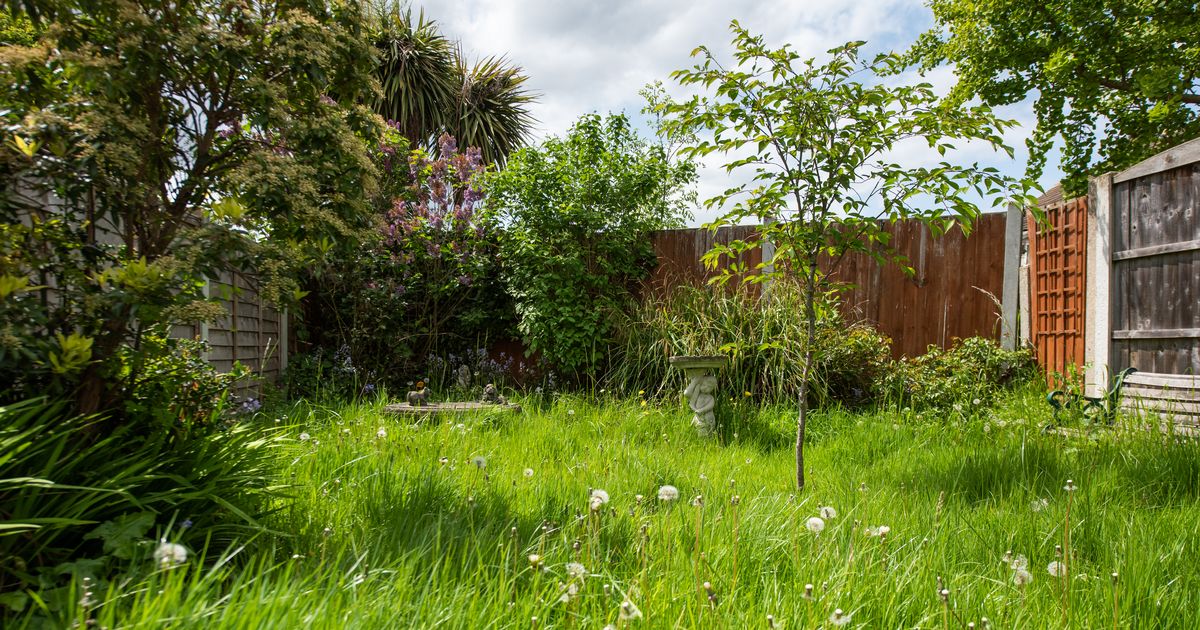
Without these natural helpers, pest infestations can quickly get out of hand – especially during warm spells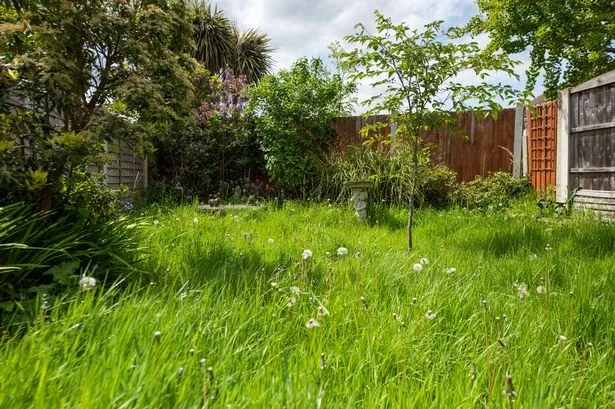 Overly neat gardens can actually deter beneficial insects (Image: Getty Images)
Gardeners are being encouraged to leave a little mess in their gardens as a little-known, natural way to keep pests at bay. With pest populations booming in summer, gardeners are being told to welcome ladybirds into their outdoor spaces to help tackle the problem.
The red dotted insect naturally combats pests like aphids, greenfly and other insects that can often harm plants and crops, and reduce the need for chemical sprays.
Brits are being urged to take action now to attract more ladybirds into their gardens to protect their precious plants from destructive pests over the summer months.
Outdoors experts at GardeningExpress.co.uk say ladybirds are a gardener’s best friend.
Without these natural helpers, infestations can quickly get out of hand – especially during warm spells.
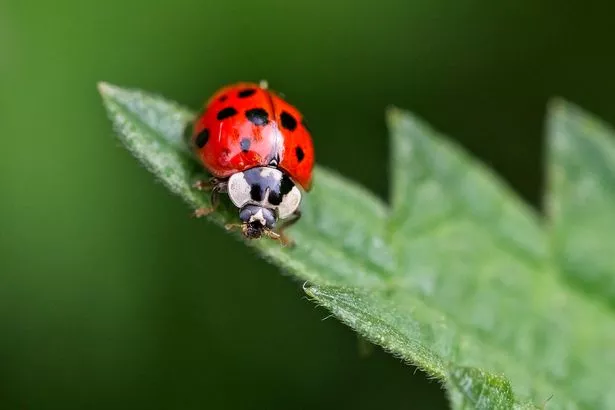 Ladybirds are one of the best natural pest control methods (Image: Getty Images)
A single ladybird can consume dozens of aphids a day, making them one of the most effective natural pest control solutions available.
Both the adult beetles and their larvae feed on soft-bodied insects that commonly damage garden plants – including roses, vegetables and fruit trees.
Ladybirds themselves are not plant eaters, so as the weather warms up and pest numbers rise, attracting them to your garden can help prevent pest outbreaks before they start.
Nick Wood, horticulture expert from online garden centre Gardening Express said: “Ladybirds are one of the best natural pest control methods we have in the UK.
“Inviting them to your garden will help reduce the need for chemical sprays, protect your plants and support local wildlife at the same time.
“Creating a bug-friendly garden doesn’t mean letting it go wild – small changes like planting the right flowers or leaving a log pile can make a big difference.”
How to attract ladybirds to your garden:
Grow the right plants
Certain plants are particularly attractive to ladybirds, either providing shelter or luring in the pests they prey on.
Herbs such as dill and fennel, along with flowers like marigolds, nasturtiums and yarrow, are known to attract aphids – which may seem detrimental, but actually serves to draw in ladybirds in search of food.
Intermingling these with your vegetables or flowers establishes a natural pest control cycle that ultimately benefits the health of your plants.
Leave a little mess
Overly neat gardens can actually deter beneficial insects.
Leaving heaps of dry leaves, logs, or even just an untidy corner provides ladybirds with a refuge from predators and a place to shelter.
These areas are especially crucial for overwintering, as ladybirds seek out dry, insulated spots to hibernate until spring.
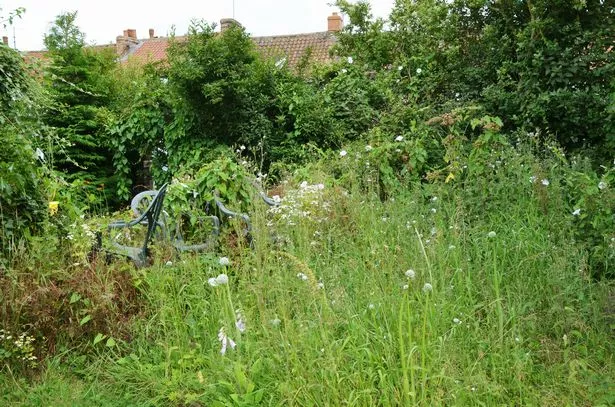 Allowing a portion of your garden to grow naturally is beneficial for attracting ladybirds(Image: Getty Images)
Add a bug hotel
Setting up an insect hotel, or simply bundling together some hollow bamboo stems or drilled logs, can provide ladybirds with a safe place to nest and rest.
Situate your insect abode in a sunny, protected spot, ideally near flowering plants or vegetable beds where aphids are likely to emerge.
These basic structures also attract other helpful insects like lacewings and solitary bees.
Let your lawn go wild
While a well-kept lawn may appear tidy, it doesn’t provide much for insects.
Allowing a portion of your garden to grow naturally – with indigenous wildflowers, longer grass, and flowering weeds such as dandelions and clover – establishes a small ecosystem that supports a variety of beneficial wildlife.
A garden with greater diversity draws in a broader range of insects, including ladybirds, which are more likely to remain when food and habitat are plentiful.