
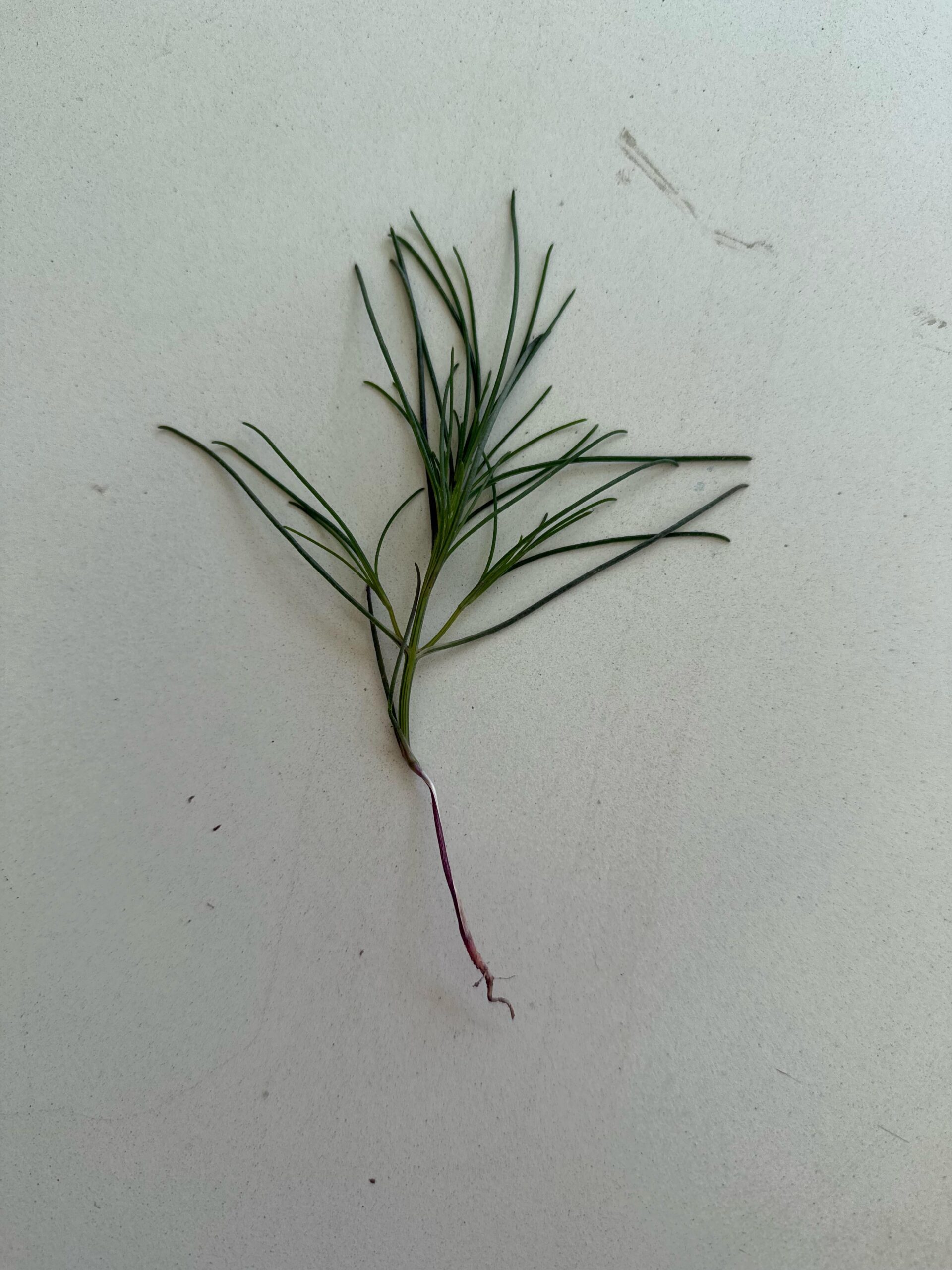
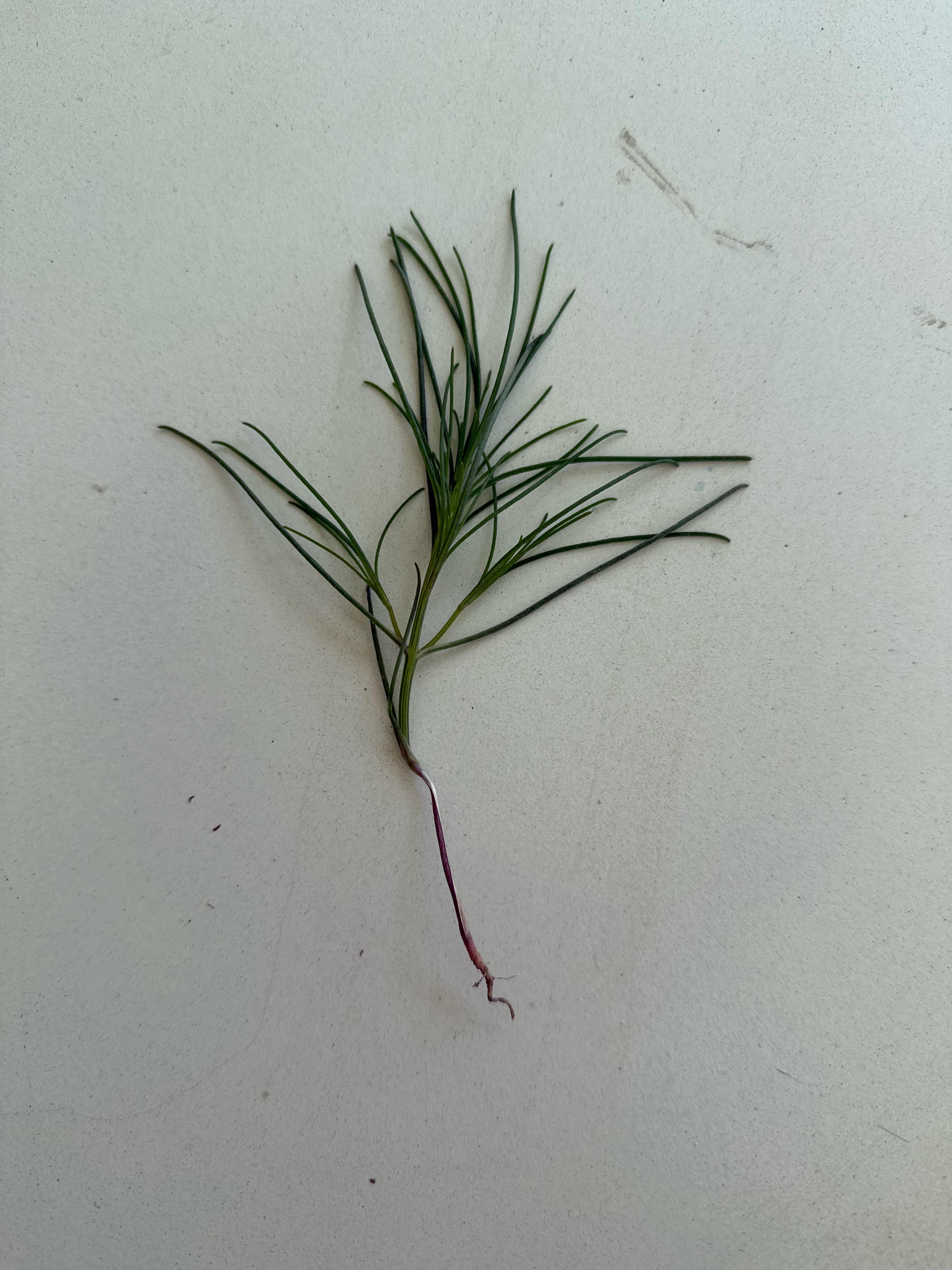
Disclaimer: I am a super newbie to the whole green thumb, yard-work, plant and horticulture world…
I just demoed and seeded my backyard with a grass blend (Kentucky bluegrass & perennial rye grass) and then a white + micro clover/grass blend.
As I’ve been watering these past couple months, I’ve started notice this really tall, thick stemmed plant… EVERYWHERE (pictured). So I took it to my local nursery and they told me it was THISTLE. Of all the weeds to be spread throughout my newly-seeded lawn😭 So I pulled a bunch of them out, but there are SO many and I’m afraid I’m missing some, plus there were a few that broke off above ground.
The nursery guy told me to use thistledown weed killer. And since I’m planning on re-seeding anyway, due to patches and what not, I could do it now, wait a few weeks and then re-seed.
I wanted to get some outside opinions. I’m fine with pulling these weeds out, but as I said, there are so many and I’m afraid I’ve missed some, etc. Is thistledown going to be okay to use right now? I don’t want it to kill the clover or grass growing, but I’m pretty sure most of the seed is grown. The patches of grass that have grown are 1-3 inches tall and the clover is pretty thick. I’ll attach some more images in the comments.
I did search through previous posts about thistle, but but my circumstances are unique considering it’s a freshly baby lawn. Any and all help or thoughts would be appreciated!!!
by Historical_Hope_4176
3 Comments
Doesn’t look like thistle at all
Russian thistle seedling probably. Salsola sp.
Hi–I’m in Colorado. It looks like Russian Thistle (aka Tumbleweed) to me. It was my weed of the year one year, where I made a special point of pulling every one I saw, largely ignoring other, less noxious weeds. It mainly worked–I only see 5-10 a year now. So, Keep pulling them, especially while the roots are straight and not branched out. With care, your bluegrass/rye/clover will mostly fill in, especially as you re-seed, and choke out the RT. You probably will continue to find these weeds in your grass for a year or two–they’re persistent, so you have to be, too–but you can get rid of most of them. Be sure you don’t let them go to seed in the fall. If you don’t mind doing the work for a year or two, you will be mainly rid of the RT, without having to spray nasty chemicals. Building a lawn/yard/garden is a process, not an overnight project, and takes a while. Persistent patience helps! Good luck–let us know how it goes!