
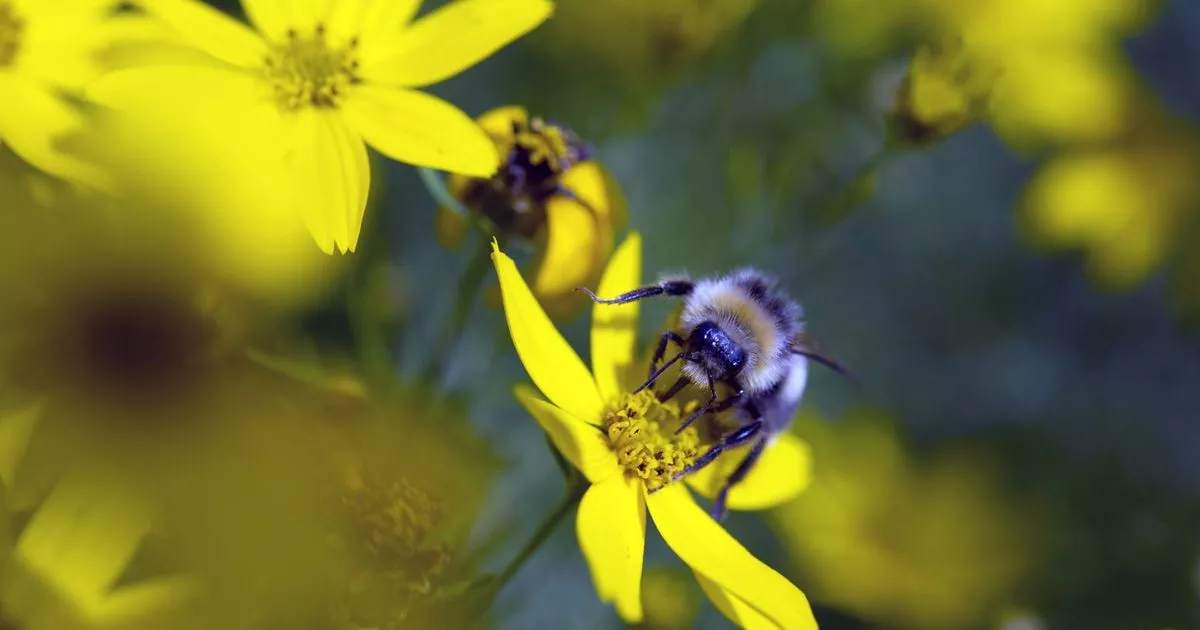
The gardening expert has given some key advice for gardeners ahead of summer An increasing number of bees could appear in your garden in June(Image: Getty Images)
As summer approaches, gardeners are spending much more time outdoors. Longer and lighter days see dawn breaking as early as 4am and sunshine lasting up to 10 hours, therefore it’s an ideal time to focus on your garden and its pollinators.
But with a blooming garden also brings swarms of bees, which gardening expert Monty Don is now warning households about.
According to Don: “Swarming bees are a sight that can be alarming at this time of year, but in fact, they are highly unlikely to attack or bother you at all. The queen will leave her hive looking for a new home, taking with her thousands of male worker bees”.
He explains that the bees tend to circle “furiously”, generating a loud noise “like a hundred motorbikes”, before eventually settling on a branch in a giant cluster.
They are then likely to leave your plants alone and head off to rest in a hollow trunk or a roof.
Regarding roses, Don states that June is their peak time. To keep roses flowering for as long as possible, his secret is to deadhead them daily, reports the Mirror.
“Do not just pull off the spent petals but use secateurs and cut the spent stem right back to the next leaf or bud below it,” the horticulturalist advises.
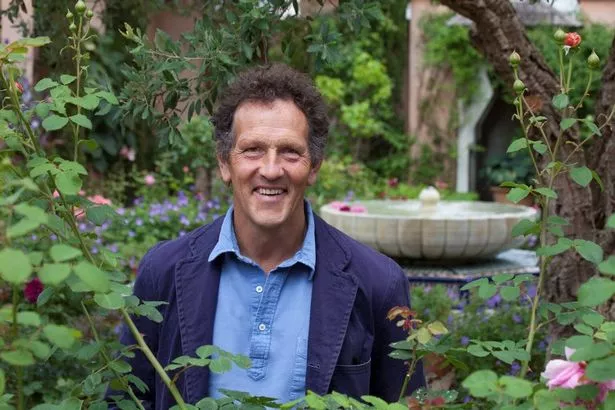 Monty Don is issuing advice ahead of summer(Image: Brentwood Gazette)
This method, he claims, helps to provoke a side shoot, allowing it to carry more flowers.
Certain types of flowers, such as Rosa rugosa or Rosa moysii, produce hips in the autumn and will only develop later if the flowers are allowed to set seed and fruit.
With this in mind, he suggests savouring the sight of the flowers for as long as possible and refraining from deadheading, so that they can develop their pear-shaped rose fruit.
One thing to be aware of in June is weeds, as the warm weather provides them with the boost they need. Be vigilant about this and regularly weed vegetable plots, ideally in dry weather, using a garden hoe.
He revealed: “The secret of effective hoeing is to always do it in dry weather and preferably in the morning so that the weeds will cut cleanly from the soil and then dry out and die during the day. They can then be raked up in the afternoon and taken to the compost heap.”
Another characteristic of June is the “June drop”, Don explains, where your trees shed their fruit, such as apples and pears, but this is not a cause for alarm.
What this usually indicates is the tree simply reducing the amount of fruit it can carry in order to successfully ripen what remains.
The expert suggests is might be a good idea to selectively remove the smallest fruit before the tree makes the decision for you, and therefore, you’re not losing your biggest and juiciest picks.
By reducing the clusters on each spur to just two fruits that aren’t touching, you’ve got the best chance of well-ripened results.