
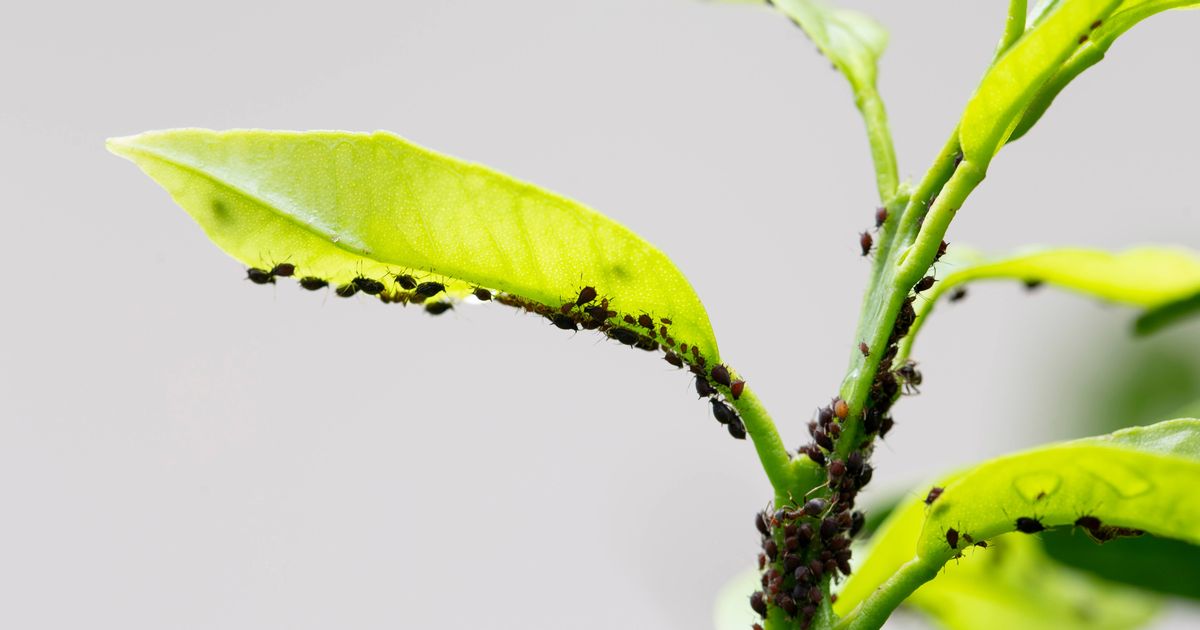
Aphids, also known as greenflies, are a gardener’s worst nightmare, but there are some easy ways to keep your plants safe and free from the pests – and one is ‘super simple’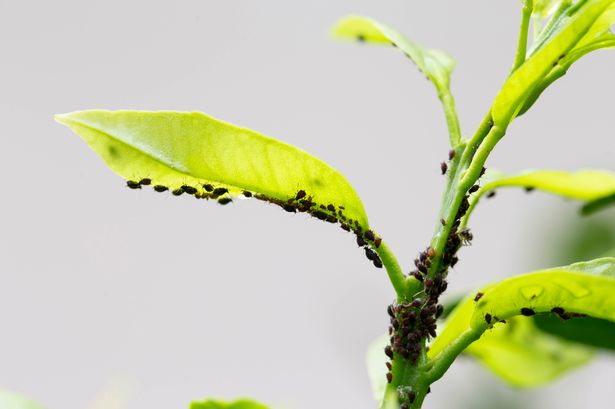 A plague of aphids can turn your months of hard work in the garden into a waste of time, but there are three simple steps you can take to get rid of the pests and keep your plants healthy(Image: Getty Images)
For those who take pride in their gardens, the battle against aphids is all too familiar. These sap-sucking pests, also known as greenflies, can wreak havoc on your plants and are a constant source of annoyance for gardeners.
With over 500 types of aphids found in Britain, some specialise in feeding on just one or two plant species, while others have a taste for a wide variety, leaving almost any plant vulnerable to these pesky insects.
Aphids can stunt the growth of your plants and cause leaves to become distorted. Signs of an aphid infestation include white cast skins left on the upper surface of leaves or the presence of sooty mould.
Despite the urge to reach for pesticides, the Royal Horticultural Society (RHS) advises against it, citing that most pesticides harm biodiversity and soil health in gardens.
READ MORE: British Gas, Octopus, Eon, EDF and OVO customers issued important ‘act now’ warningREAD MORE: Third fire at Birmingham beauty spot in a week as witnesses look on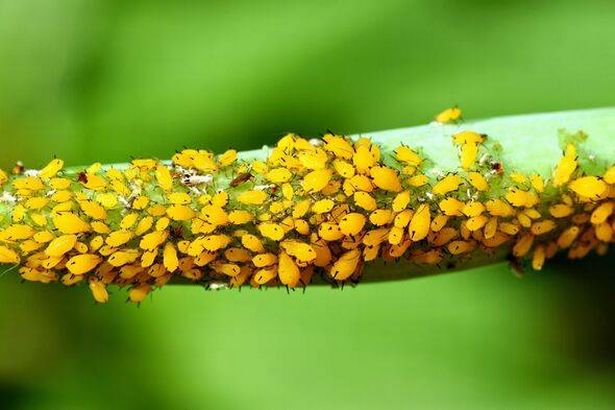 Aphids are often a constant source of frustration for gardeners(Image: (Image: Getty))
TikTok gardening sensation Ish, known as ‘@gardening with ish’, has shared his top three tips for dealing with aphids naturally.
His first trick involves nothing more than dish soap and water, which he describes as “super simple”.
Ish details the process: “Take a few tablespoons of dish soap and pop it in a spray bottle, and top the rest off with water. This solution is fantastic at destroying the aphids’ exoskeleton which effectively finishes it off, but doesn’t do any damage to your plants.”
Ish, a gardening expert, shared that fragrant planting with salvias, marigolds, onions, and garlic can act as natural repellents against aphids, which detest their smell.
 Marigolds can act as a natural deterrent(Image: (Image: Getty))
He also mentioned: “A little tip for you about marigolds, whilst these do have a bit of fragrance to them, they might still try and go for the leaves, so some people also use these as a bit of a trap plant, so it keeps your bigger plants healthy, and they’ll go for these instead.”
If those methods fail, Ish suggests blasting aphids with water or introducing ladybirds, available online, into your garden.
“They’re great pollinators, but they’re also the natural predator of aphids, so they’ll thrive on those and keep your plants happy and aphid-free,” he said.
The RHS warns that aphids can spread plant viruses, especially harmful to soft fruits like strawberries and raspberries, tomatoes, and cucumber family plants.
To prevent disease spread, RHS recommends destroying virus-infected plants.