
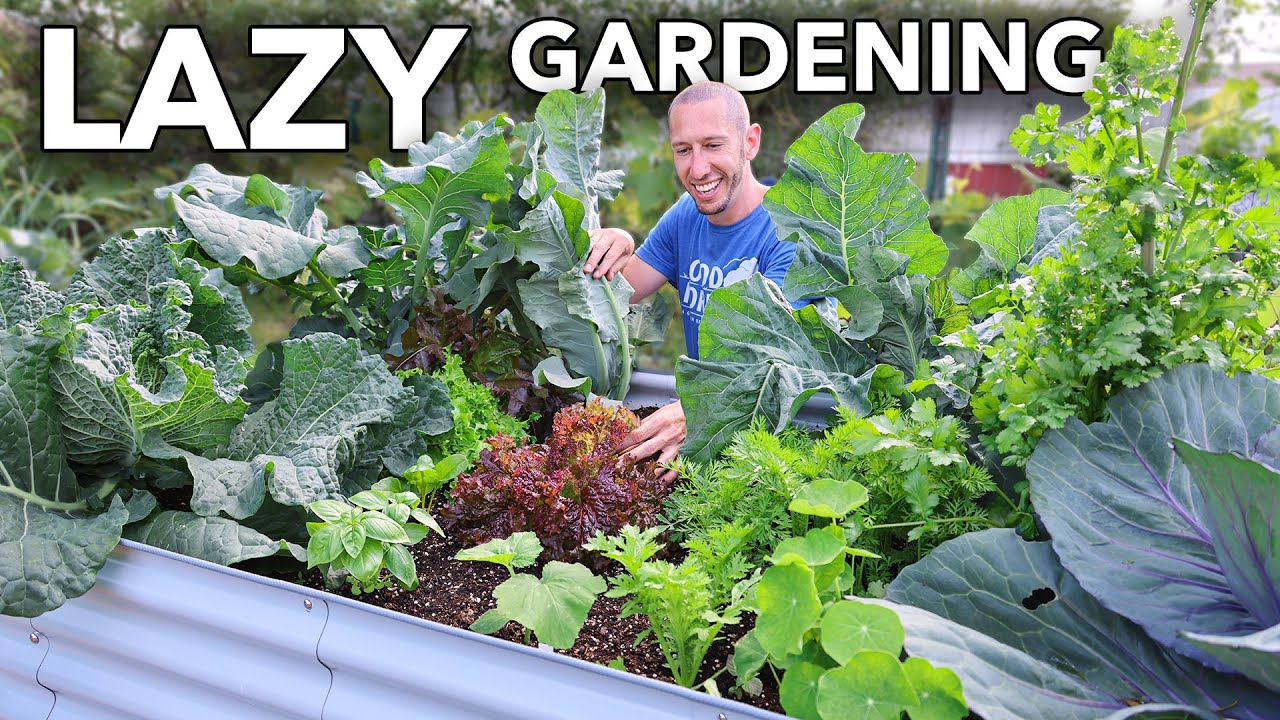
Today I share how you can have nature do the work for you in the garden by utilizing companion planting
00:00 Intro
00:11 Why to Companion Plant
00:27 Pest Control with Companion Planting
01:25 Using Plants to Deter Pests
02:24 Using Trap Crops
03:14 Plants as Early Warning Signs
03:52 Creating Habitats for Beneficial Insects
04:42 Why Flowers are so Important
05:27 Maximizing Space with Companion Planting
06:43 Using Peas as Fertilizer for Cucumbers
07:16 Combinations of Plants that Improve Flavor
07:30 Mimicking Nature Companion Planting
07:45 The Opposite of Companion Planting
08:02 The Verdict on Companion Planting
08:54 A list of Companion Plants
10:33 Final Thoughts
Thanks for the kind words and support 😁🐕❤️
MEMORIAL DAY SALE EXTENDED: https://teamgrow.us/collections/team-grow-gardens
Official Website! https://TeamGrow.us
Amazon Store: www.amazon.com/shop/thegardeningchannelwithjamesprigioni
→ Seed Starting Bundle: https://teamgrow.us/products/standard-seedling-tray-with-bottom-and-cover
→ Metal Raised Garden Beds: https://teamgrow.us/collections/vego-raised-garden-beds
→ Raised Bed Add Ons:https://teamgrow.us/collections/metal-raised-bed-add-ons
→Neem Oil: https://teamgrow.us/collections/plantonix/products/neem-bliss-oil-100-pure-cold-pressed-neem-oil-omri-listed
→ Coco Coir: https://teamgrow.us/collections/plantonix/products/coco-bliss-raised-garden-bed-bundles
→Mykos Pure Mycorrhizal Inoculant: https://teamgrow.us/collections/plantonix/products/myco-bliss-mycorrhizal-fungi-inoculant-soil-amendment?variant=47850373644603
→Amazon affiliate link: https://amzn.to/2z7NIRQ
→ Sulfur Dust for Fungal Diseases: https://amzn.to/2VETaXP
→Garden Sifter: https://teamgrow.us/collections/metal-raised-bed-add-ons/products/modular-garden-sifter
→Worm Castings: https://teamgrow.us/collections/plantonix/products/worm-bliss-premium-organic-earthworm-castings
→Perlite:https://teamgrow.us/collections/plantonix/products/perlite-bliss-premium-horticultural-grade-perlite
→Spinosad: https://amzn.to/3V9B3Fg
→Safer Soap Spray: https://amzn.to/4dRmBJ5
→Sprayer I Use: https://amzn.to/3KaaHfU
→ UV Resistant Marker: https://amzn.to/3oUevXb
→ 40% Shade Cloth- https://amzn.to/3vrAYNF
→ Garden Straw Mini: http://bit.ly/gardenstraw
→ Vermiculite: https://amzn.to/311woeH
→6 Mil Greenhouse plastic: https://amzn.to/39m1YCQ
→Row Cover: https://amzn.to/2GR12h5
→Insect Netting: https://amzn.to/2DbJ9I7
→BT Spray for Brassicas: https://amzn.to/3erdkss
→Pruners I use: https://amzn.to/2QsNCtT
→Tomato Clips: https://amzn.to/2YxoaGr
→Square Foot Gardening Book: https://amzn.to/3bUwCVo
→My Boots https://amzn.to/2NZq5Pe
ALSO FIND ME ON
→Facebook: https://www.facebook.com/JamesPrigioniGardening/
→Twitter: https://twitter.com/JamesPrigioni
→Instagram: https://www.instagram.com/jamesprigioni
→Contact: (Business Only) thefranchisse3@gmail.com
29 Comments
Share this video if you're a Companion Planter!
MEMORIAL DAY SALE EXTENDED: https://teamgrow.us/collections/team-grow-gardens
Video TimeStamps
00:00 Intro
00:11 Why to Companion Plant
00:27 Pest Control with Companion Planting
01:25 Using Plants to Deter Pests
02:24 Using Trap Crops
03:14 Plants as Early Warning Signs
03:52 Creating Habitats for Beneficial Insects
04:42 Why Flowers are so Important
05:27 Maximizing Space with Companion Planting
06:43 Using Peas as Fertilizer for Cucumbers
07:16 Combinations of Plants that Improve Flavor
07:30 Mimicking Nature Companion Planting
07:45 The Opposite of Companion Planting
08:02 The Verdict on Companion Planting
08:54 A list of Companion Plants
10:33 Final Thoughts
❤❤❤❤❤ Hi Tuck
❤❤❤
I have learned that a black light flashlight is a beneficial tool for the garden. (Amazon has them) At night take the flashlight out to your tomato plant and shine on the plants. If you have tomato hornworms they will glow and you can easily pluck them off! No pesticides needed! I hear the flashlight is also good at helping you find scorpions, if they are in your area. Kids love finding the hornworms with the light!! 🍅🍅🍅
❤️. I planted sweet potatoes and red potatoes in the same raised bed. And I have 1 white egg plant in there. Are they ok together like that?
You have to be careful what you plant next to black walnut trees. Black walnuts produce a chemical called juglone, which occurs naturally in all parts of the tree, especially in the buds, nut hulls, and roots. The leaves and stems contain smaller quantities of juglone, which is leached into the soil after they fall. The highest concentration of juglone occurs in the soil directly under the tree’s canopy, but highly sensitive plants may exhibit toxicity symptoms beyond the canopy drip line. These plants will wilt and die near your tree: Vegetables, Cabbage, Asparagus, Eggplant, Rhubarb,
Potatoes, Tomatoes, Peppers, Fruit, Pear, Apple, Black- and blueberries. Landscape Plants: Azaleas, Black alder, Basswood, Ornamental cherries, White birch, Hackberry, Chokeberry, Amur honeysuckle, Japanese larch, Hydrangea, Lilac, Pine, Magnolia, Lespedeza, Potentilla, Rhododendron, Privet, Norway spruce, Yew, Viburnum. Flowers and Herbs: Roses, Blue wild indigo, Autumn crocus, Columbine, Lily, Hydrangea, Narcissus, Petunia, Peony, Crops, Tobacco, Alfalfa, and Crimson clover.
In my zone the humidity is awful
❤❤❤
Tuck ❤
Thanks for sharing this information. I did the three sisters companions: corn, squash, beans.
❤❤❤❤❤❤❤❤
Love the garlic idea next to tomatoes and thrilled with your enthusiasm and sweet tuck too.thank you
🍅🩷🥕🩷🐶🩷🥬
❤❤
you go tuck boss
❤❤❤❤❤❤❤❤
❤❤❤ Today's video was terrific! I love square foot gardening but really need to learn a lot more about companion planting.
Decentralize all your plantings. Don't plant in strip rows (airport flight line landing zone for a bug). Don't plant in a patch (big veg target for a bug bullet, landing and eating outward. Plant a few vegs here and there, there and here. Scatter all of your vegs so that there is no organization in the garden. Find your companions and plant them with 1-3 same vegs. Make small garden plots in this way, and you will find that you might have to pull up a carrot here, there, over there, over here – but you won't have nematodes or other critters chewing on your carrots. Scattered cabbages won't have a cabbage moth. The same for many of the other squash bugs, thrips, aphids, ants, white flies, burrowing flies, beetle larvae, june bugs, sow bugs, tomate hornworm caterpiller moth, ….
We know without knowing. Love it! Bingo!
I love your garden James but actually having beds with string everywhere to mark out the square feet is overengineering and just clutter imo…. just eyeball it…. looks much nicer without that messy string ☮
One of the nice things about living this far north, blueberries grow in the wild! Along with dozens more, it is the jellymakers paradise
I'm sorry, but Companion planting is a bunch of wishful thinking nonsense, and their's absolutely zero science, or experiments to back it up at all. None of these plants actually repell what their supposed to repell. If the insects don't like a certain plant, then they just avoid landing on it…. it's as simple as that, it doesn't keep them from landing on the food their after, right next to it. Just like citronella products that we buy every year, don't actually repell anything. The best ways to keep from pest infestations, or disease breakouts is, first and foremost, keep your plants healthy and from getting stressed. A stressed plant, quickly leads to an unhealthy plant, and unhealthy plants release chemicals and smells that are basically like ringing the dinner bell. Either that, or you can spray your plants, and theirs lots of both, synthetic, and organic options out there. Another myth is the one where people plant a nitrogen hungry plant like corn, over an area where they grew nitrogen fixers like greenbeans or peas. Truth is, that amount of Nitrogen that's left behind is so minimal, that it will have very little effect, if any, on your corn. Look, I wish this stuff was real, and actually made a difference, but unfortunately it doesn't. The number one thing that stresses plants out, which inevitably leads to unhealthy plants, which then leads to insect and disease pressure, is the summer mid day heat and sun. That's why I recommend building a shade cloth tent over your heat sensitive plants, to protect them from that mid day sun and heat, between the hours of say, 1:00 pm to 5:00 pm. Shade cloth will work miracles when it comes to things like blight, and infestations of flying insects.
Beautiful work ❤❤🎉
Thanks for sharing
😮
Let's goooo! 🙌💚
❤❤❤'s for Tuck!
I love confusing pests, garlic, overwintered scallions, marigolds, sweet basil everywhere. Somehow I've got easter lilies. Asian red beetles found them. Early blooming flowers come up every year in the vicinity of garden. Benificial predators and bees here. I remove webs on stakes made by spider mites and beautiful black damselfly lands on plants.
Thank you James and lots of love for Tuck❤❤❤❤❤