I don’t know any precise reason this has happened, but there is always a reason (or more specifically, a number of ways to explain or describe something).
So, plant growth is based on the plant’s internal regulatory system (mainly hormones), which responds to plant’s existing structure plus environmental cues. Those cues produce future growth, which in turn affects the structure, which in turn generates new cues since different parts of the plant produce different hormones.
Therefore the plant’s existing structure provides information telling its cells individually and collectively how to grow.
Stem growth occurrs from a point at the tip of a stem, where cells divide and structures are produced, and as they mature the cells mainly expand into their mature position. So you can think of plant growth as a system of chemical communication between the tip of the stems (on or many) and the rest of it.
Most systems in a plant (or any organism) are set up to take a variety of initial states and guide them toward a regulated, less variable state. Ie plant signals try to coax a cutting with no roots to produce them develop similar to a plant grown from seed, so at some point there is no obvious difference in a plant’s structure indicating whether it started from a cutting or seed. Plants also take damage (let’s say an animal bites off the top) and then produce growth that structures them more similar to how they should be had that not happened.
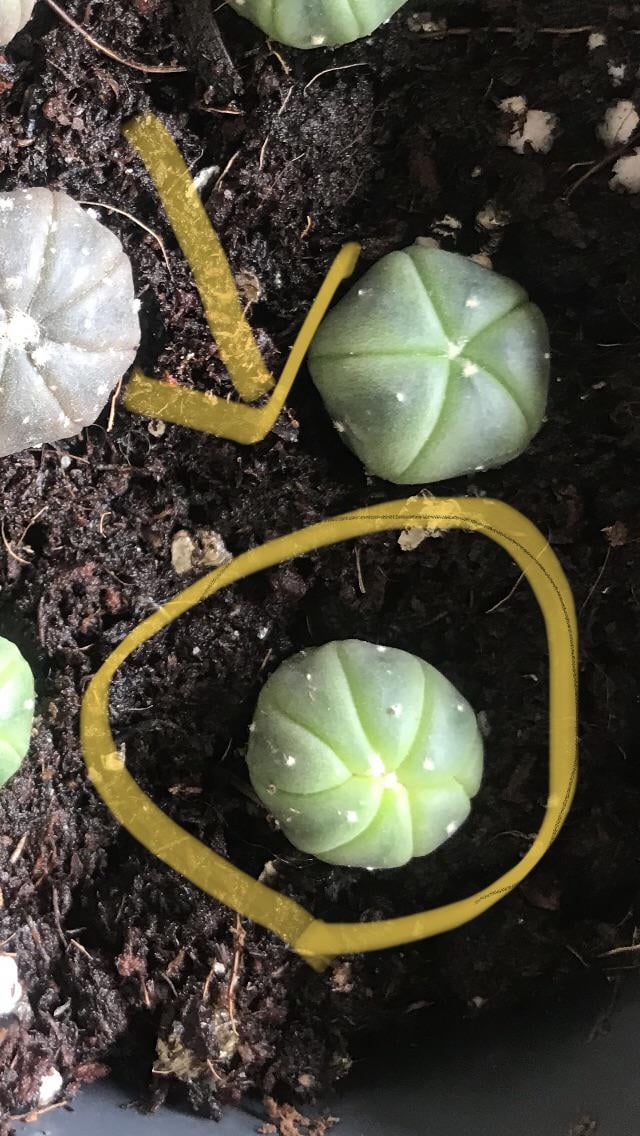
Occasionally there are processes by which a plant’s structure is altered, and instead of moving towards a more typical structure, the pattern continues to diverge. One of those is fasciation, ie when a plant’s stem is crested. That looks like it may be occurring here. Instead of producing new stem tissue from a single point, the point gets stretched into a line, and the plant lacks the mechanisms to select a section of that line and make it dominant while subordinating other points. Crested stems tend to become more and more obviously distorted, though branches lower on the stem may assume normal growth.
However cacti may also change their number of ribs for whatever reason. There is probably some identifiable cue or trigger, I just don’t know what it is. In that case it will continue to grow as normal with fewer ribs, or may re-introduce another rib. Only time will tell.
zenkique
Because … it’s a renegade of funk!
Konbattou-Onbattou
Because they’re not machines capable of perfectly cloning themselves?

13 Comments
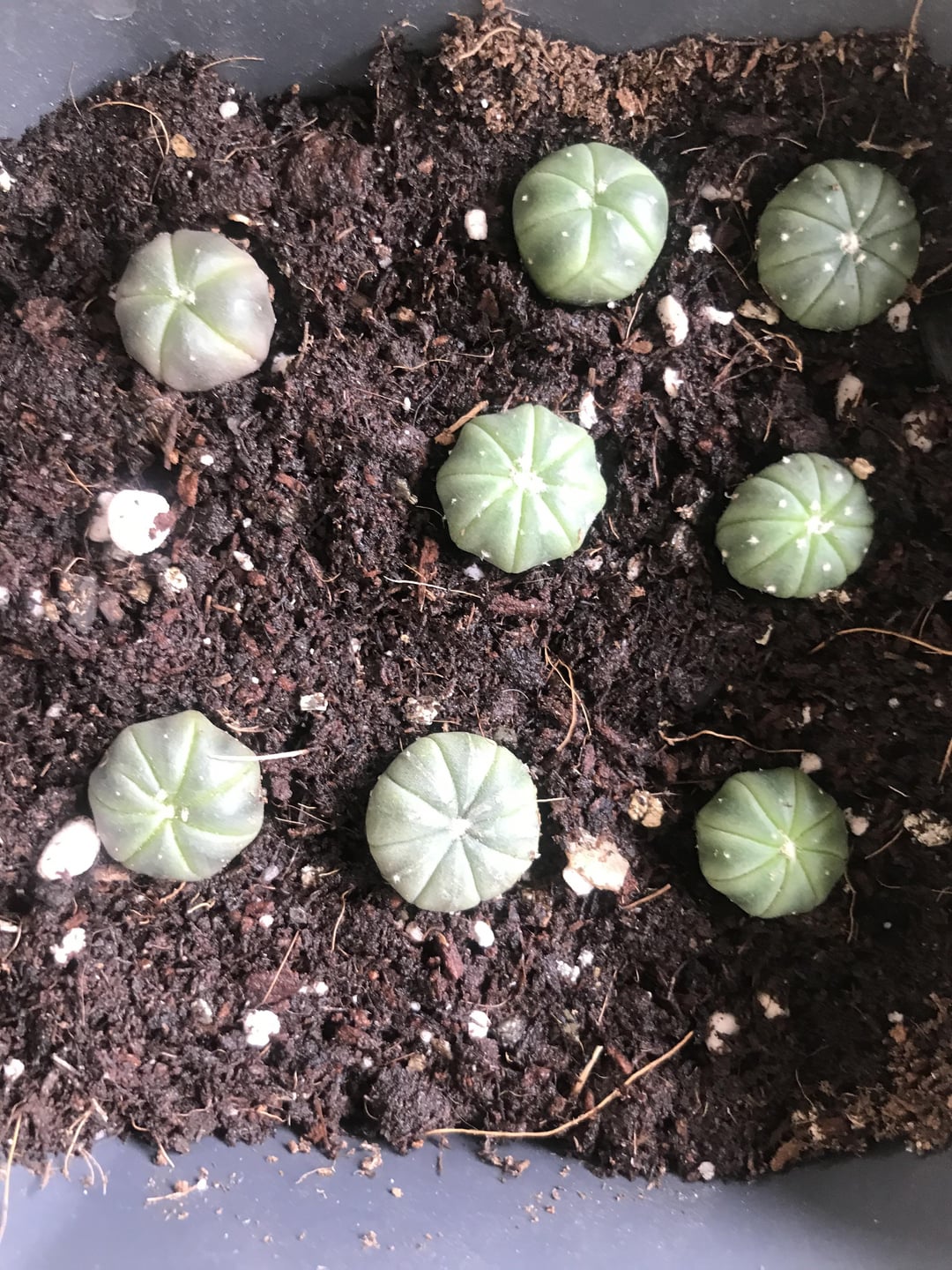
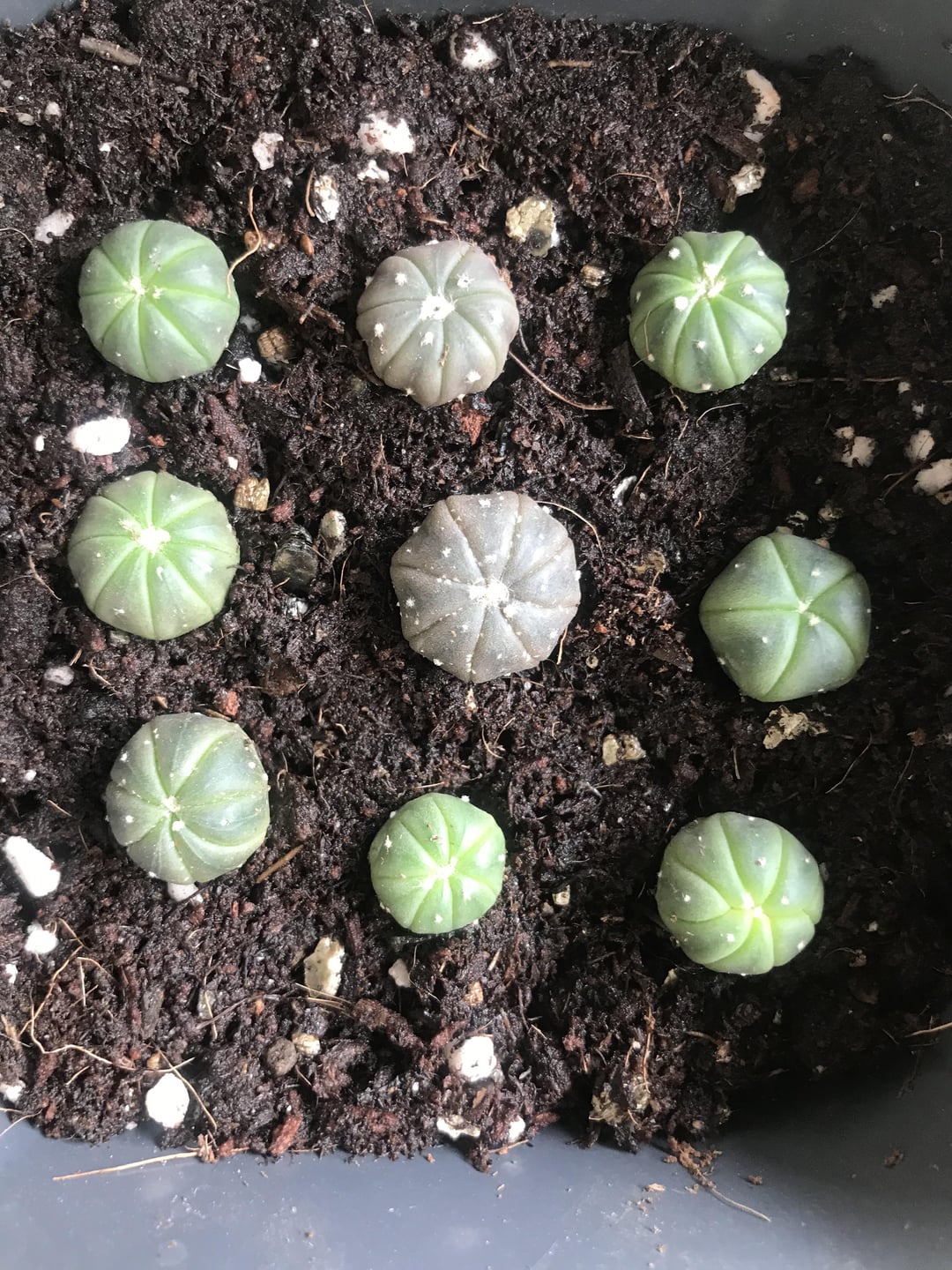
Plants are like people, or even fingerprints…no Two look identical. They all look health and happy!
Because they’re living things. They’re variable. Simple as that.
Weirdos are my fav!
It looks like a green basketball
It’s like your balls not symmetrical
Could potentially be Astrophytum Asterias cv. Kikko, but would only be able to tell if a bit older.
This website is pretty good for different hybrids/variations: [A guide to identifying astrophytum asterias hybrids – Picky Prickly Plants](https://pickypricklyplants.com/2020/08/08/introduction-to-astrophytum-asterias-hybrids/)
Just a different phenotype
Genetics
Jeeze what’s with all the reductive answers.
I don’t know any precise reason this has happened, but there is always a reason (or more specifically, a number of ways to explain or describe something).
So, plant growth is based on the plant’s internal regulatory system (mainly hormones), which responds to plant’s existing structure plus environmental cues. Those cues produce future growth, which in turn affects the structure, which in turn generates new cues since different parts of the plant produce different hormones.
Therefore the plant’s existing structure provides information telling its cells individually and collectively how to grow.
Stem growth occurrs from a point at the tip of a stem, where cells divide and structures are produced, and as they mature the cells mainly expand into their mature position. So you can think of plant growth as a system of chemical communication between the tip of the stems (on or many) and the rest of it.
Most systems in a plant (or any organism) are set up to take a variety of initial states and guide them toward a regulated, less variable state. Ie plant signals try to coax a cutting with no roots to produce them develop similar to a plant grown from seed, so at some point there is no obvious difference in a plant’s structure indicating whether it started from a cutting or seed. Plants also take damage (let’s say an animal bites off the top) and then produce growth that structures them more similar to how they should be had that not happened.
Occasionally there are processes by which a plant’s structure is altered, and instead of moving towards a more typical structure, the pattern continues to diverge. One of those is fasciation, ie when a plant’s stem is crested. That looks like it may be occurring here. Instead of producing new stem tissue from a single point, the point gets stretched into a line, and the plant lacks the mechanisms to select a section of that line and make it dominant while subordinating other points. Crested stems tend to become more and more obviously distorted, though branches lower on the stem may assume normal growth.
However cacti may also change their number of ribs for whatever reason. There is probably some identifiable cue or trigger, I just don’t know what it is. In that case it will continue to grow as normal with fewer ribs, or may re-introduce another rib. Only time will tell.
Because … it’s a renegade of funk!
Because they’re not machines capable of perfectly cloning themselves?
it’s not like other girls
Could be a dichot or crest.