
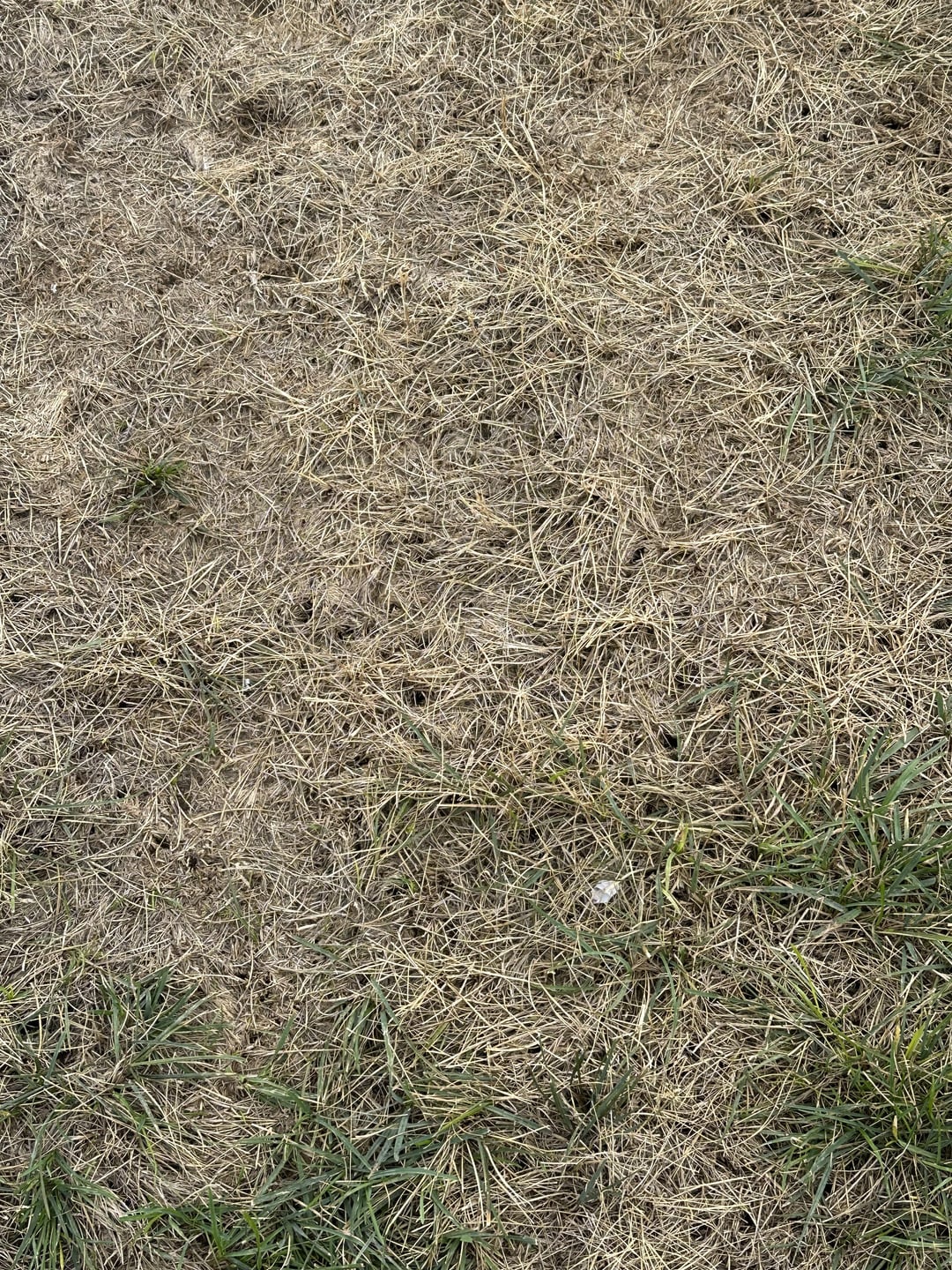
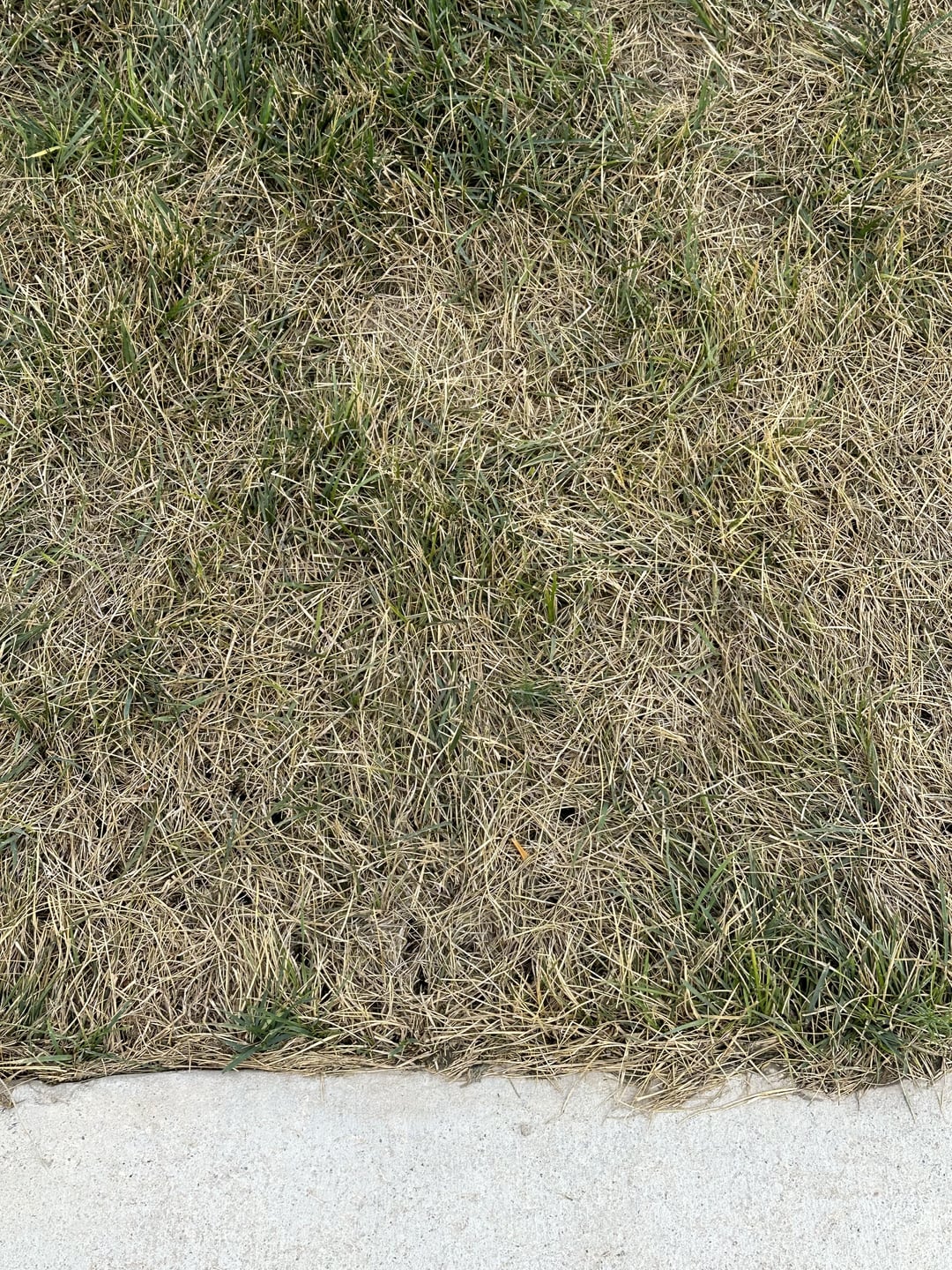
Any ideas on what could possibly be killing my grass?
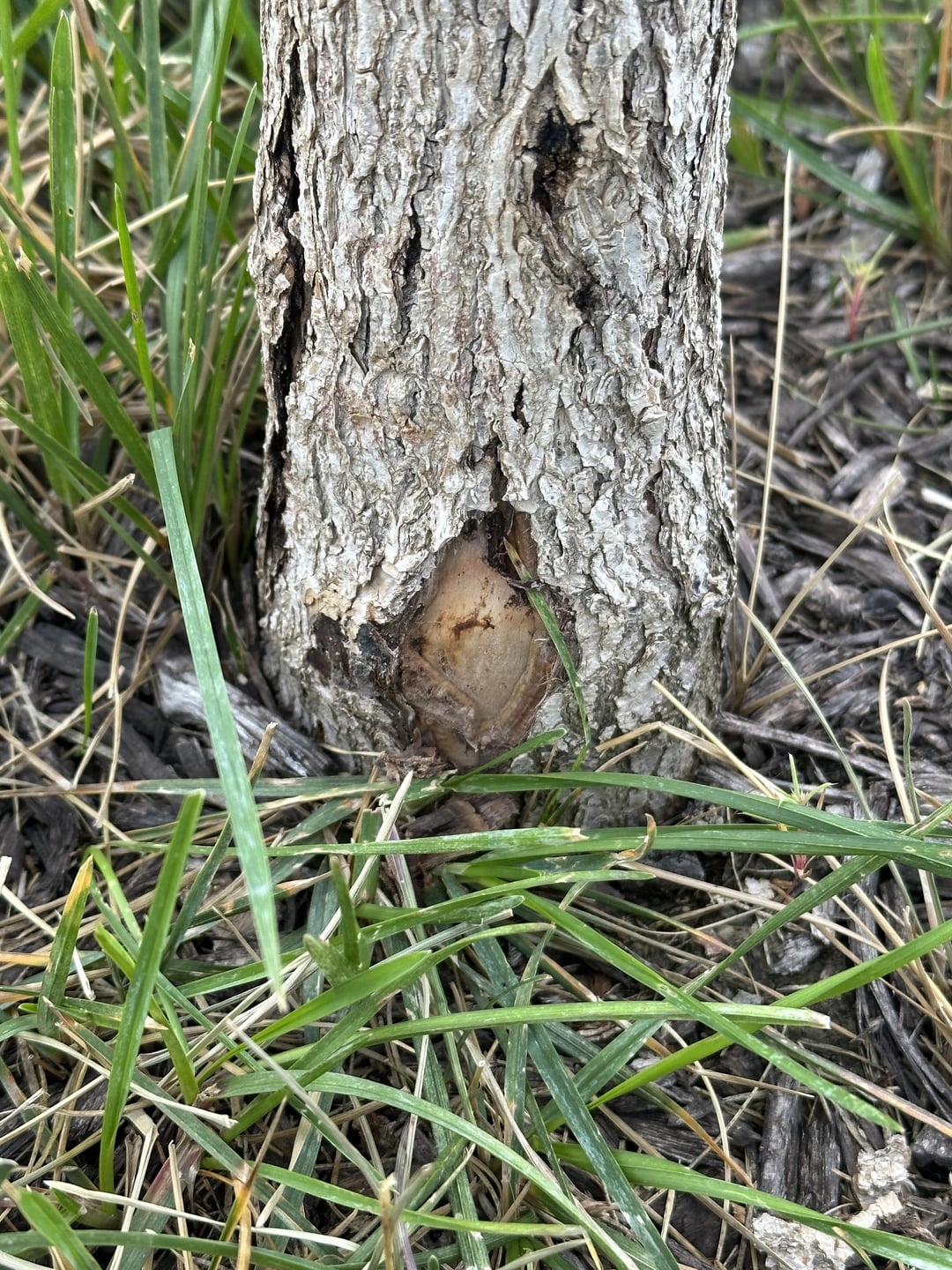
I then noticed small holes all over (about the size of my fingertip), and what looks like bites on the tree. Any idea what I’m looking at here? I feel like they’re slowly killing my grass.
by imthesqwid
17 Comments
Looks similar to what happened to my tall and fine fescue this year. Is it in shade?
Someone is peeing on it every night while you sleep
The sun is a deadly lazer
Heat and a lack of water?
Peel back some turf and see if there are grubs
See the holes, it’s from birds. You could have grubs. Go to the green section right next to the brown and dig around. You may find some
Lack of water
Squirrels make very similar marks in my yard burying acorns
Dealing with this right now. The holes are from bird beaks getting to the juicy grubs. Get some grubex from HD.
Fungus
Does this happen annually? Or is this new?
Me. r/fucklawns
Lack of water
dinosaurs pissing on the lawn there
I have the same thing in my yard and I noticed brown cocoon shells at almost every hole. Moths maybe?
Pull on the grass. Can you pull it up easily? If not it’s not grubs. Grubs eat the root of the plant. Once they damage a lawn to this extent it will pull like a cancer patient pulling out their hair.
Being that its a park strip as you call it, do people walk their dogs up and down the street? Possibly pet damage?
Smalls strips of turf in between concrete can be very stressed too. Heat transfer/ Sun reflection from the concrete is tough.
Does it do this every year? You might want to get a soil test and see what that comes back with.
I can see the blades that are green often have some yellow/brown spots, some even have pinholes. That to me at least indicates maybe a deficiency in something like potassium, or maybe there’s a fungal issue with the white powder I see on them.
Definitely don’t take my thought here as fact, but it looks similar to late stage grey leaf spot. Constant watering and humidity makes it worse. It starts from late fall to early spring but can keep going through summer once established and in good conditions like high humidity. Starts off as irregular spots and converges into large patches of browning turf that’s basically dead. On blades before death you’d see splotchy lesions that are orange/yellow in color, and sometimes changing to black spots as the green leafs changes to a darker color before changing to dead straw. Fairly high risk to resistance and at this stage would need more than the common single type. Probably mancozeb mixed with 2 (rotated or combined) other effective systemic fungicide every treatment until it’s completely gone.
Fungal issues can be difficult to identify, you need to look up close to individual blades, and on the whole of the lawn for the pattern of damage. Treatment if it’s not really fungal is only harmful. I find [this](https://www.turffiles.ncsu.edu/diseases-in-turf/yellow-patch-in-turf/) university extension extremely useful for identification, it has up close pictures and a description of how it looks, conditions typical for growth, what type of grass is susceptible, and treatment options.
Out of curiosity, have you fertilized much over the years? I wouldn’t do anything right now without a better diagnosis, as fertilizer can do worse for some diseases. If not lately maybe a deficiency and the heat is showing the lack of potassium.