
Old, family-kept lettuce varieties are more fragile than they seem. A study of a heritage seed collection in the UK notes that home gardens are reservoirs of genetic diversity, but the varieties they hold are vulnerable until they are picked up by formal seed-saving networks. Published in the journal Plant Genetic Resources, the study titled ‘Genetic analysis of a heritage variety collection’ offers a useful lens for a small but remarkable story from central Pennsylvania: a lettuce that survived on one family’s habit alone, until an outside seed bank finally gave it lasting security.A gift from Aunt Mae
In 1937, Nestor and Amber Keene received seeds for Bibb lettuce from Nestor’s aunt, Mae Smith of Millheim, Pennsylvania. Aunt Mae had gotten the seeds from a local family, the Zimmermans, who had been growing the lettuce for decades in neighboring Brush Valley. The lettuce was bright green, crisp, and good for salads or sandwiches. It was also very hardy, standing up to summer heat and early frost with little fuss. The Keenes liked it so well they grew it every year for the rest of their lives.
What makes it a Bibb lettuce
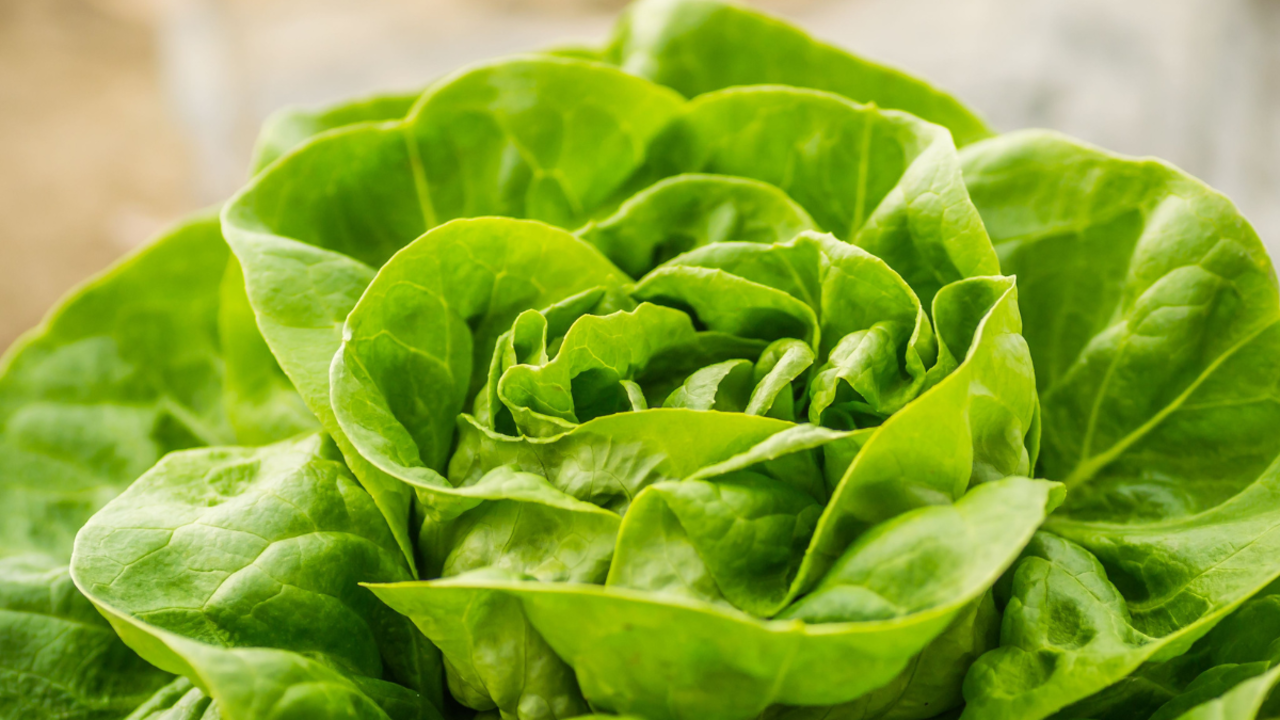
The Bibb lettuce has its own backstory. It was developed in the 1860s by a lawyer named John Bibb who bred the variety at his home in Frankfort, Kentucky, where it was originally known as “limestone lettuce.” It only came to the market about a century later. Bibb is today one of the most popular kinds of butterhead lettuce, with its small, tender, light-green leaves and loose, rose-shaped head. The Keenes’ lettuce was known in the family as a Bibb type because of its resemblance to the variety, though its exact genetic relationship to John Bibb’s original Kentucky cultivar was never formally traced.
Butterhead varieties like ‘Aunt Mae’s Bibb’ form loose, rounded heads that resemble a blooming rose. Image Credits: Wikimedia Commons
Seeds by the cash register
In the early 1950s, Nestor opened a barbershop in Boalsburg, Pennsylvania. Next to his cash register, he kept bags of lettuce seed, which he gave away to anyone who asked. A 1993 Centre Daily Times article described his process in detail: Nestor crushed the dried seed pods by hand and then poured the contents from one container to another until the seeds separated from the chaff.
When Nestor retired in the 1980s, his son Robert took over the barbershop and continued to sell the same seeds to customers. In 1995, Pennsylvania gardener Kelly Yeaton sent two seed samples, one grown by Nestor in 1993 and one grown by Robert in 1994, to Seed Savers Exchange. Yeaton’s letter of donation said the lettuce was a non-hybrid variety that had evolved among Amish and Mennonite farming families near Madisonburg, Penn. It was first listed by Seed Savers Exchange in 2013 and added to its catalog in 2014, where it is still available to home gardeners today.
Why one small lettuce counts
Stories like this reflect a larger shift in home gardens. National Gardening Association survey data shows that 41 percent of U.S. households, or about 53.7 million homes, grew some of their own food in 2021. The survey also found that lettuce is among the most commonly grown vegetables at home. Commercial seed companies have a narrow variety selection bred for uniform growth and good shipping. But home gardeners, in contrast, often keep old varieties going because they enjoy the taste or the history behind them. And that practice is scientifically important, too: the heritage seed study referenced above points out that informally saved varieties can preserve genetic diversity that plant breeders might need later on, as crops confront new pests, diseases, or shifting weather patterns.
A hobby that’s good for more than the garden
There also seem to be real personal benefits to growing your own food. A meta-analysis of 22 individual studies of gardening and health found that regular gardeners had lower levels of depression and anxiety, and higher life satisfaction, than non-gardeners. Research published in Preventive Medicine Reports titled ‘Gardening is beneficial for health: A meta-analysis’ found the effect was consistent across different age groups and settings.
Grow your own piece of history.
Lettuce is one of the easiest crops for beginners to grow. Seed Savers Exchange’s own growing guide recommends sowing lettuce seeds about an eighth of an inch deep and an inch apart, in spring or fall while the weather is still cool. Seeds usually will sprout within one to two weeks. When seedlings appear, thin them to 6 to 8 inches apart so the heads develop loosely and roundly. Nestor Keene probably didn’t set out to make history. He just liked a nice lettuce and didn’t want to lose it. Ninety years later, that quiet habit is still growing in gardens and is still worth passing on.
Comments are closed.