
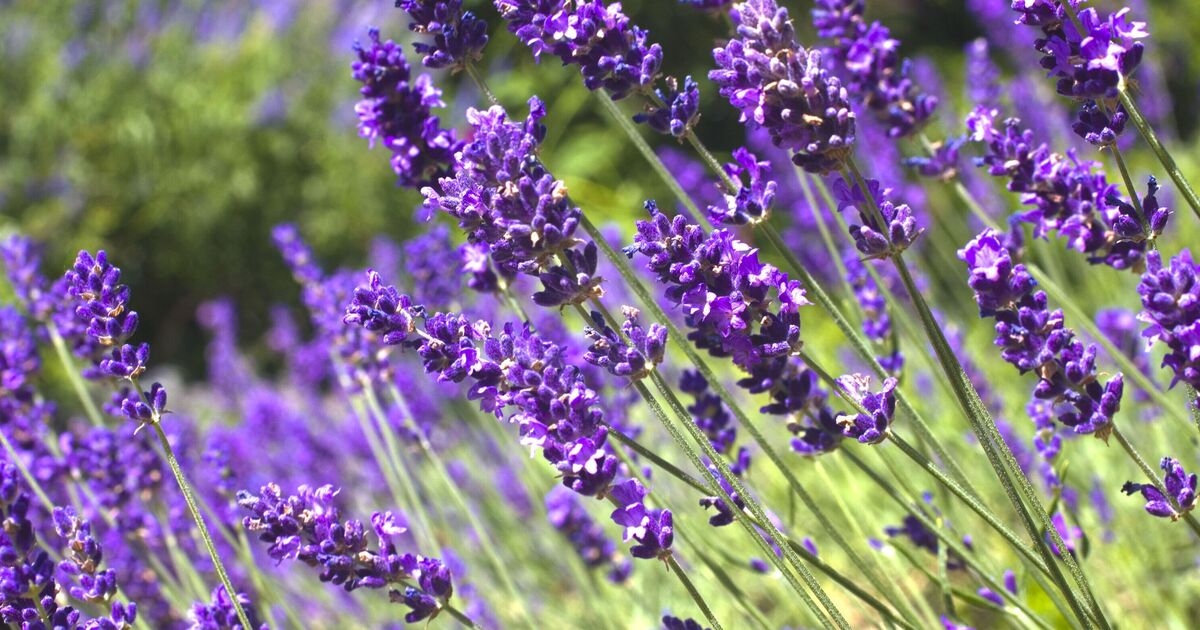

Gardeners should be doing one very important job now to save their lavender plants (Image: Getty)
Lavender is a glorious addition to any garden, offering lush purple foliage and a powerful aroma to spruce up your outdoor space. With established lavender, careful care is required, as if it’s not looked after properly, the plant can become leggy and woody.
Gardening expert and TikTok creator Michael Griffiths urged fellow gardeners to prune their lavender now, or run the risk of the plant going leggy. When a lavender plant is described as leggy, it means the plant has developed long, sparse, and often woody stems with fewer leaves and flowers than a healthy plant. Michael warned that if you leave this important task too long, not only will the lavender look unappealing, you actually risk it not growing back. All you need to do is give it a prune right now.
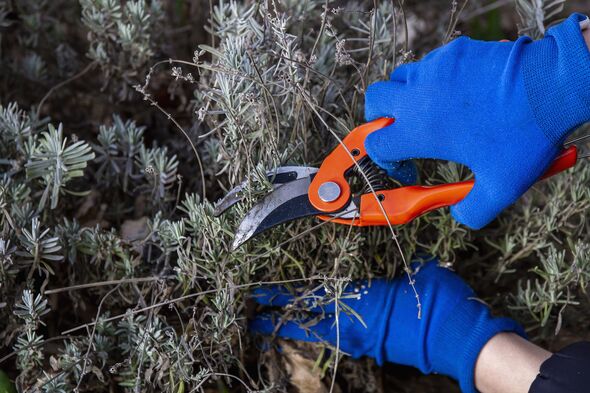
Don’t leave pruning lavender too late – do it now (Image: Getty)How to stop lavender going ‘leggy’
In a recent video, he said: “Don’t leave this job too late, gardeners, now is the time to prune your lavender. Nobody wants a lavender that’s gone leggy and twiggy just because you didn’t get the pruning at the proper time.
“This is very much a mid to late summer activity. I get the feeling that some believe this to be a late autumn activity as you get your garden ready for winter.”
Ideally, you should prune your lavender in late summer, preferably in August or September, which you can still do. However, Michael recommended pruning anytime from mid to late summer – and certainly not autumn.
Essentially, you can start pruning from the moment that the lavender is “past their best”. The gardening expert warned against waiting until the lavender goes to seed and turns brown.
When pruning lavender, it is essential to distinguish between old and new wood. The old wood will appear brown, displaying almost white foliage, while the new growth will be a vibrant green.
@themichaelgriffiths Prune your lavender NOW ?????? leave it till autumn and you get leggy, twiggy lavender ?????? ⏰ Watch the plant, not the calendar, prune as the flowers go past their best ✂️ Go as hard as you like — ONE rule: always leave new growth below your cut ?????? NEVER cut into the old dark wood — it won’t regrow, that’s how lavenders are lost ?????? Take it in bunches, aim for a compact dome ❄️ It’ll regrow a couple of inches after — leave that, it’s winter protection Next year: tight dome, absolutely covered in flowers ?????? Is yours a neat dome or gone a bit… architectural? ?????? #gardentok ♬ original sound – themichaelgriffiths
He encourages pruning “as hard as you like”, but make sure to leave some new growth beneath the cutting point, this will help encourage the plant to grow back next year.
Carefully look for new buds growing above old wood. Once you’ve found some new shoots, you want to cut an inch or so above it, where the spent leaves finish.
Michael said: “If you do cut down into old wood that area may not regrow and you could then lose the plant.”
Once you know where to cut, you can grab the spent lavender in bunches and trim with secateurs. He continued: “The idea is to create a nice compact shape.”
Michael explained that the plant will continue to grow, but don’t be tempted to trim this off, as the new growth will serve as protection during the winter months.
Cutting it back will keep the plant tidy and visually appealing, while also encouraging fresh new growth to flourish. Failing to prune correctly or at the appropriate time can leave the lavender looking leggy and unkempt.
Steer clear of trimming at the base, and instead cut just above the old wood, taking care to reduce the lavender by roughly a third.
To ensure your lavender receives all the nutrients it requires, gardeners are advised to apply a good quality compost on top of the soil.
Gardeners’ World warned: “Lavender can become very leggy, bearing few flowers. The reason for this is lack of, or poor, pruning. Many gardeners just deadhead hardy types, which also leads to leggy plants and not many flowers. Looked after in this way, the plant will be very short-lived.”
As the seasons progress, gardeners will want to give lavender a thorough prune once it has finished flowering during summer. If you cut too far down into old wood, you run the risk of it not re-growing and blooming new lavender.
Comments are closed.