

Slugs are a common garden pest that can cause significant damage to plants, but there are several natural and effective ways to deter them.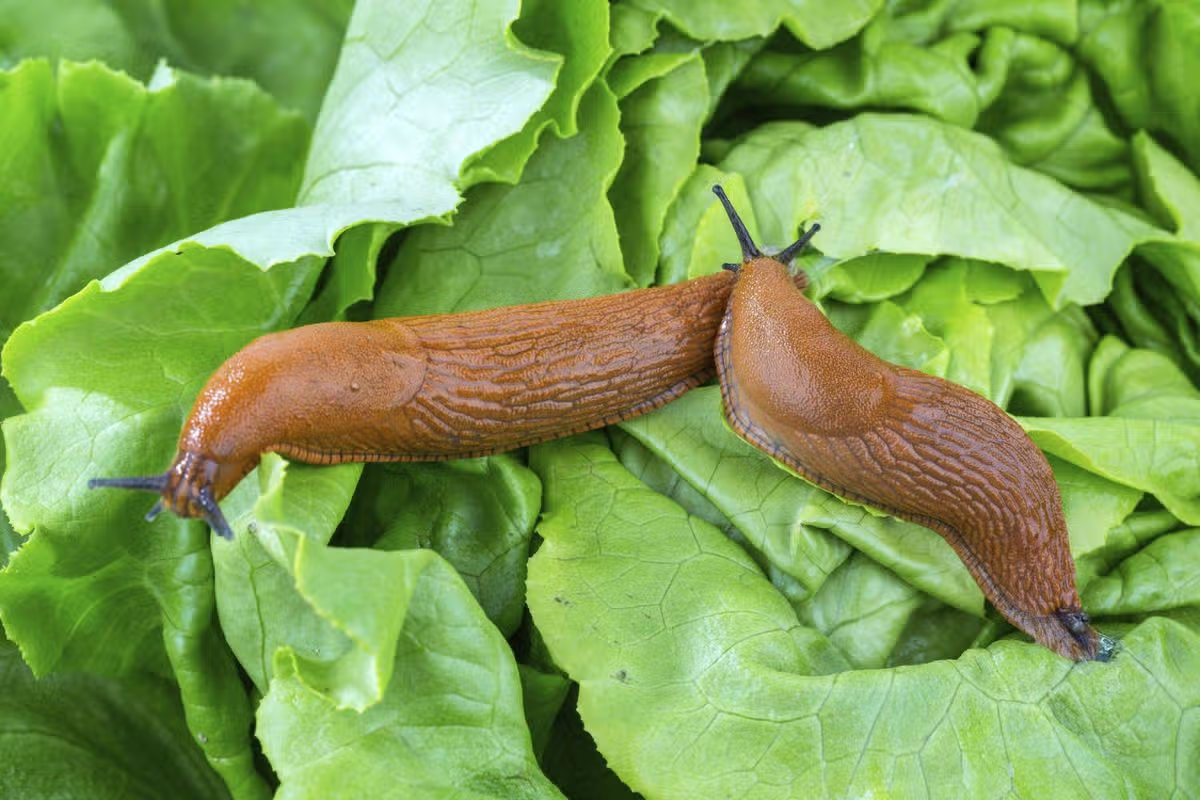
Slugs are a gardener’s biggest nightmare(Image: Getty)
Slugs consistently top the list of the most unwelcome garden pests and are widely considered every gardener’s worst enemy.
These gastropods don’t merely obliterate seedlings almost overnight — they also take particular delight in ravaging our prized plants, gouging irregular holes through leaves, flowers, stems, bulbs, tubers and potatoes, while leaving a distinctive silvery slime trail as proof of their unwanted visit to our gardens.
Although these molluscs remain active throughout the year, they become especially prevalent during spring and summer, when plentiful supplies of tender, fresh vegetation are available for them to munch through.
These garden pests tend to burrow into the soil or seek shelter in cool, dark spots to avoid drying out, and are most active during the night, particularly in damp and warm conditions,, reports the Liverpool Echo.
So, how do you tackle these troublesome garden invaders in an effective and environmentally friendly way? The solutions are surprisingly simple.
A BBC Gardeners’ World reader survey examining the most reliable slug control methods uncovered some unexpected and inventive techniques as the leading choices.

Slugs are most active in the spring and summer months(Image: Getty)
Garlic drench
Garlic’s pungent aroma is widely believed to repel slugs, meaning that treating the foliage of your beloved plants with a garlic-based solution offers a quick and highly effective natural remedy for dealing with these destructive pests. To shield your plants from an uninvited slug attack, create your own garlic solution using this simple 3-step method.
A four-pack of garlic can be purchased for as little as 87p at retailers such as Tesco and Sainsbury’s, equating to roughly 21p per bulb.
To produce your own homemade garlic remedy for repelling slugs, BBC Gardeners’ World recommends crushing two whole garlic bulbs and boiling them in a couple of pints of water. Afterwards, filter the mixture and leave it to cool.
Combine 1 tablespoon of this garlic concentrate with four litres of water and apply it to your young plants once a week during the evening.
The garlic solution can also be sprayed directly onto leaves, making sure of complete coverage. Importantly, reapply the mixture regularly, especially after rain.
Pick them off after dark
According to the Gardeners’ World survey, the most popular approach for getting rid of slugs is heading into your garden after dusk with a torch, and plucking the unwanted pests from plants with a bucket of salt water at the ready.
Those favouring a more humane approach can collect the slugs in a container and set them free in the countryside away from your garden.
The best time for collecting slugs is two hours after sunset, which means late evenings during peak summer months. Gloves are recommended.

These gastropods love feasting on fresh growth and young plants(Image: Getty)
A practical method to intentionally attract slugs to a dim and sheltered spot to make your job easier is by setting out something tempting to them, such as dried cat food, leftover vegetables, oats, bran, or bread rolls. After the slugs have congregated, you can easily gather them up.
During daylight hours, search your garden for likely hiding places, as these pests prefer to take refuge wherever conditions are damp, dark, and cool. Looking under plant pots, stepping boards on your vegetable patches, pot saucers, and garden furniture are all sensible places to begin.
Create barriers
Setting up barriers represents another slug-prevention method that numerous BBC Gardeners’ World reader survey participants strongly advocate.
These gastropods find rough and sharp surfaces challenging to navigate, so favoured deterrents in your fight against slugs include bark, cocoa chips, sawdust, ash, cat litter, horticultural grit, wool pellets, coffee grounds, and sand.
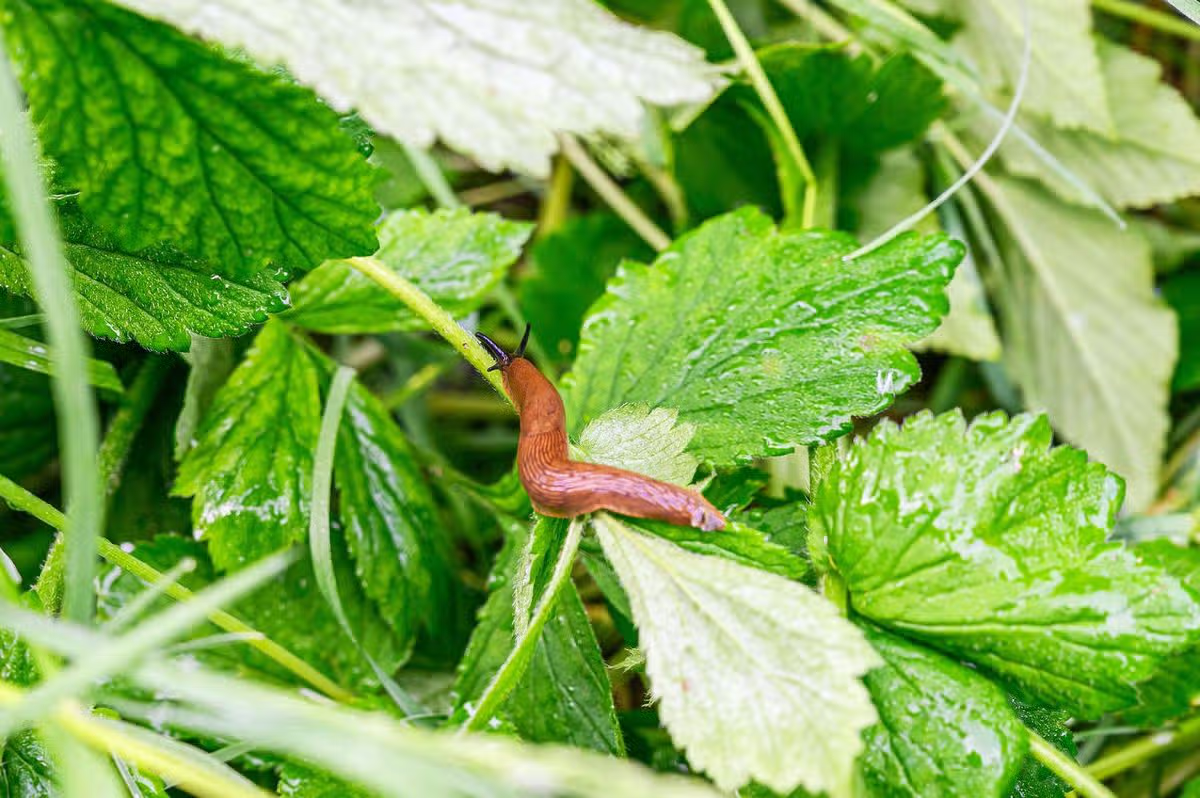
Getting rid of slugs in gardens has never been simpler(Image: Getty)
It’s crucial to refresh these barriers regularly, and remember that most slugs don’t live on the surface but within the soil itself.
Unusual methods
Some alternative slug elimination tactics recommended by Gardeners’ World include spreading petroleum jelly as a slippery barrier applied liberally around the edges of seed trays and pots, attaching double-sided adhesive tape around pot rims with the exterior side covered in salt, and burying beer traps into the ground using cheap beer.
Comments are closed.