
“Hearst Magazines and Yahoo may earn commission or revenue on some items through these links.”
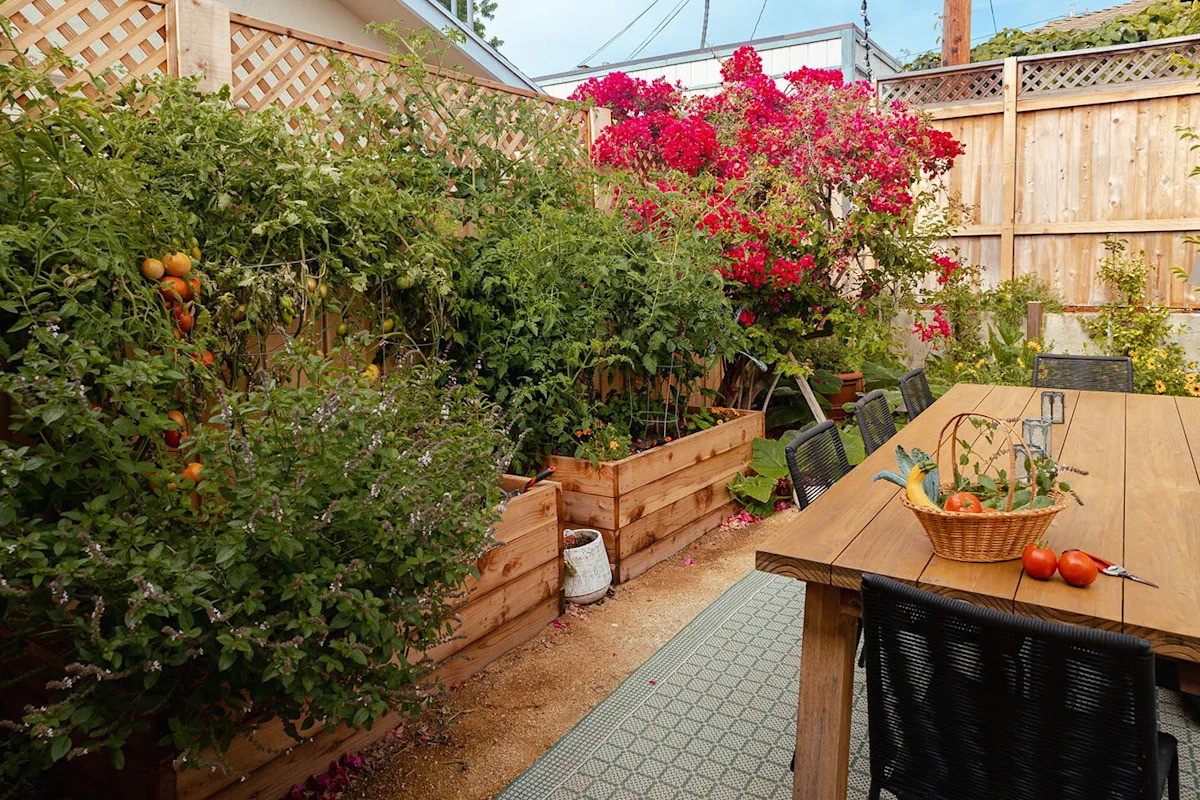
If you’re itching to spend more free time outdoors, consider creating your own raised garden beds this summer. Also known as garden boxes, they often have a longer growing season than in-ground gardens. “Not only are they easier to tend by being at a higher level, plants are also raised above areas that might usually be in particularly damp or very dry soil,” explains Mark Latchford, director of landscaping at HollandGreen in the United Kingdom. “It gives plants the best possible opportunity to thrive.”
Another thing to love: It’s pretty easy—and affordable—to build a raised garden bed on your own. Below, you’ll learn everything you need to know to create the perfect raised garden bed. From benefits, to best plants to grow, to awe-inspiring design ideas, our comprehensive guide will ensure your backyard is in full bloom.
What Are the Benefits of a Raised Garden Bed?
Think of a raised bed as the gardening-equivalent to Fort Knox. Since these garden boxes are a contained ecosystem, they can keep pest and weeds at bay. A few other pros worth considering:
Advertisement
Advertisement
Reduced discomfort from bending and kneeling (great for seniors)
Better control over the soil substrate
Ability to be moved, depending on the setup
What Plants Thrive in a Raised Garden Bed?
“Anything can be grown in a raised bed, especially when you control the soil,” says Blythe Yost, co-founder and chief landscape architect at Tilly Design. Among the most common plants are:
Vegetables: Tomatoes, carrots, turnips, cucumbers, lettuce, and radishes are popular picks.
Fruits: Plant berries like strawberries and raspberries, or melons like cantaloupe and watermelon.
Herbs: Rosemary, oregano, dill, and parsley are great choices. “Keep in mind that some herb types (like sage and basil) need more space than you’d expect,” says Rebecca Sears, CMO and resident green thumb at Ferry-Morse.
1) Mix Master
Photo credit: Designer: Richardson & Associates Landscape Architecture; Photographer: Stacy Zarin Goldberg
Amy Grigg—associate designer Richardson & Associates Landscape Architecture in Washington, D.C.—says the best way to save on a raised garden bed is creating what she calls a “Hugelkultur” base. “Instead of spending a fortune filling a deep bed with bags of potting soil, fill the bottom one-third to one-half of the bed with woody debris like logs, branches, and sticks,” she explains. “Then add an organic layer like dried leaves, grass clippings, or compost. As they decompose and break down, they create nutrient-rich soil packed with beneficial microbes.”
Advertisement
Advertisement
The result? A bountiful environment on a budget.
2) New Heights
Photo credit: HollandGreen
If you want to add some drama to your raised garden beds, diversify your foliage. “Being closer to eye level, smaller plants can be enjoyed more, or screening trees can be giving more height if required,” says Latchford. Here, a charming mix of hydrangeas and trees offer some soil-to-sky appeal.
3) Timber Treatment
Photo credit: Designer: Luxury Living by Ania Agárdy; Photographer: Jacek Nozewnik
As the saying goes, one man’s trash is another man’s treasure—and the same logic applies to creating an affordable raised garden bed. In this backyard from Ania Agárdy of Luxury Living by Ania Agárdy, reclaimed railroad timber offers charm and consciousness.
“Its rustic beauty complements the organic vegetable garden, reflecting its natural aesthetic and eco-conscious spirit,” she says. “Perfect for growing herbs, vegetables, or cutting flowers, they offer a practical and elegant way to enjoy fresh harvests and season blooms for both kitchen and beautifully arranged table decor.”
Advertisement
Advertisement
RELATED: Your Complete Guide to Herbs
4) Defy Gravity
Photo credit: Designer: Cornerstone Design Build; Photographer: Kalani Media
Calling all small space dwellers: If you’re working with limited square feet, and budget, the only way to go is up. “Building vertical gardens, such as a wooden raised herb wall, not only provides a beautiful privacy fence,” shares Lindsay Thornton of Cornerstone Design Build in Toronto. “It also frees up deck space and deters many pesky animals from midnight snacking.”
5) Places Please
Photo credit: Designer: Cornerstone Design Build; Photographer: Kalani Media
With strategic placement, Thornton says raised planters can be an easy way to achieve a seemingly luxe backyard. “Adding raised flower beds near your outdoor pool deck or other paved surfaces immediately softens the edges of the heavily tiled area, putting your landscape in pro territory,” she says. “Large, four-foot planters also allow for shade and break up the flat terrain with bursts of color and variety.”
Her one tip? If you live somewhere cold, avoid perennials. “They will not weather well above ground,” she warns. “Instead, embrace changing up your plants and flowers each year.”
6) English Elegance
Photo credit: Designer: Soucie Horner Design Collective; Photographer: Craig Watson
For a setup that’s equal parts charming and practical, Martin Horner of Soucie Horner Design Collective encourages you to take some inspiration from the Brits. “English-inspired planter boxes offer classic good looks, and are as well-suited to kitchen garden vegetables and herbs as flowers,” he explains. “Plus, they’re as practical as they are beautiful, since their height means you can plant and harvest without kneeling on the ground.”
7) Wood Bed
Photo credit: The Handmade Farmhouse
Advertisement
Advertisement
Made from fir boards and secured with corner braces and screws, these DIY garden beds are simple to recreate. Once you’re ready to start planting, this blogger shares that some fruits and vegetables actually thrive when grown near each other.
Get the tutorial at Handmade Farmhouse »
8) Crop Cages
Photo credit: Tilly Design
Help your garden grow tall with supportive cages, which lift plants off the ground and give you more space to harvest. For protection from pests and animals, they’re a smart choice for lower garden beds.
Shop Now
9) Sunny Setup
Photo credit: Kody kohlman for Tilly
When building a raised garden bed, “try to weigh design and aesthetic with the amount of sunlight the area receives,” says Yost. Keep in mind: Most herbs and vegetables require full sun.
10) Wheelbarrow Garden
Photo credit: Sergio Amiti – Getty Images
Fill an old wheelbarrow with fragrant flowers and you’ll add instant appeal to your backyard. You can even paint the wheelbarrow a bright hue for extra style.
Advertisement
Advertisement
Shop Now
11) Metal Bed
Photo credit: Buff Strickland
Metal tables aren’t just for serving drinks on your patio. Give yours an entirely new look by turning it into a garden bed, which is great for housing Irish moss and succulents.
12) Against a Fence
Photo credit: The Gold Hive for Tilly
In a smaller space, consider placing your garden beds along the edge of your yard or up against the fence like Ashley Goldman of The Gold Hive does here.
13) Wooden Ladder
Photo credit: Westend61 – Getty Images
If you have a wooden ladder that you no longer need, dress it up with a garden bed and an arrangement of potted plants. It’s an eye-catching arrangement for those who appreciate rustic-inspired looks.
14) Old Tire
Photo credit: YONCA60 – Getty Images
Advertisement
Advertisement
Prevent your worn car tires from ending up in the landfill, and instead turn them into a unique garden bed. While you can sometimes use a tire to grow herbs or vegetables, it’s probably best to stick with inedible flowers.
15) Herb Garden
Photo credit: Ferry-Morse
Sage, rosemary, parsley — whatever your favorite herbs might be, a raised garden bed is a perfect space for most of them to thrive.
Shop Now
RELATED: How to Store Fresh Herbs
16) Salad Garden
Photo credit: HildaWeges – Getty Images
Use your wooden box to grow your very own salad greens, like green leaf lettuce, romaine, and radicchio. Lunch time just got easier (and cheaper).
17) Rustic Look
Photo credit: Westend61 – Getty Images
The best part about raised garden beds? They don’t need to look overly polished to elevate your space. Go for raw woods and exposed metal braces to create a chic rustic design.
18) Geometric Design
Photo credit: photo by Kris Wong. www.kriswong.com – Getty Images
Advertisement
Advertisement
No one said garden beds have to be square or regular! Go for a five-, six- or eight-sided shape to mix things up. Just make sure you don’t try a design that’s too wide where you can’t easily reach the middle.
19) Thoughtful Spacing
Photo credit: Ferry-Morse
Save space around your garden bed for planting and harvesting. “The elevation of a raised garden bed can help reduce any discomfort that gardeners may experience from constant bending and kneeling,” says Sears.
20) Pop of Red
Photo credit: mtreasure – Getty Images
Inject personality into an outdoor space (no matter how small) with bright red plant troughs, filled with everything from spinach to parsley.
Shop Now
21) Tiered Design
Photo credit: Inspired By Charm
Double your function with a design that features a garden bed on top and a shelf for supplies on the bottom. Plus, add a few knobs to hang your everyday tools. This convenient setup is ideal if you’re lacking the space for a garden plot.
Advertisement
Advertisement
Get the tutorial at Inspired By Charm »
22) Brick by Brick
Photo credit: Vaivirga – Getty Images
There’s no reason why durable bricks can’t be used as garden beds. You can even paint them in bold hues if you’re really up for showing off your creativity.
23) Symmetrical Look
Photo credit: Getty Images
Embrace a uniform setup by sticking with pairs of garden beds boasting the same style. “Symmetrical placement of raised beds can create a sense of balance throughout the garden, so consider placing them next to each other or on opposite ends of your space,” says Sears.
24) Portable Beds
Photo credit: Getty Images
If you need a simple way to keep your tomatoes and lettuce separate, consider a wooden garden bed. Bonus: Add casters to the bottom, so you can move them around your space all summer long.
25) Handmade Look
Photo credit: TG23 – Getty Images
Advertisement
Advertisement
You can never go wrong with a handmade wood design that’s ideal for growing vegetables (think zucchini or radishes) right on your porch.
26) Repurposed Crates
Photo credit: Westend61 – Getty Images
Enhance a wood fence with repurposed crates, which will make draining soil a breeze.
Shop Now
27) Galvanized Steel
Photo credit: Buff Strickland
A blend of style and function, galvanized steel buckets can make for brilliant raised garden beds. Add plant labels for an extra dose of charm.
Shop Now
28) Garden Stones
Photo credit: Getty Images
Especially when you’ve got multiple garden beds, ensure your setup leaves enough space for walking. Use large stones and tiny pebbles to create separation between your beds.
Shop Now
29) Enclosed Garden
Photo credit: Inspired by Charm
If you live in a woodsy area (a.k.a deer, rabbits, and squirrels are a risk to your garden), build a cage around your garden for added protection.
Read more at Inspired By Charm »
30) Colorful Florals
Photo credit: Johner Images – Getty Images
Balance a rustic wood box with vibrant flowers that showcase the colors of summer. It’s so beautiful, this bright display is a great choice for the front yard.
31) Light Wood
Photo credit: a40757 – Getty Images
Offset lush green plants with a light-colored wooden box for visual interest. Pick up a few: one for vegetables, one for fruits, and one for flowers.
RELATED: The Healthiest Fruits You Can Eat, According to a Nutritionist
You Might Also Like
Comments are closed.