

Riverside sits in one of the most climatically demanding corners of California. Summers here are long, unforgiving, and getting hotter. The highest temperature recorded in Riverside in 2024 was 115°F, logged on September 6th, and that kind of heat doesn’t forgive a poorly chosen plant list.
In Riverside, the summers are hot, arid, and clear, with temperatures typically varying from 43°F to 94°F over the course of the year, though peaks above 103°F are not unusual. For home gardeners, the challenge isn’t just surviving the heat. It’s building a space that actually looks good through it.
The good news is that the right six plants can carry your entire garden through the harshest months. They’re not boring, either. These species bring real color, structure, and ecological value while asking very little in return.
Why Riverside Gardens Need a Different Approach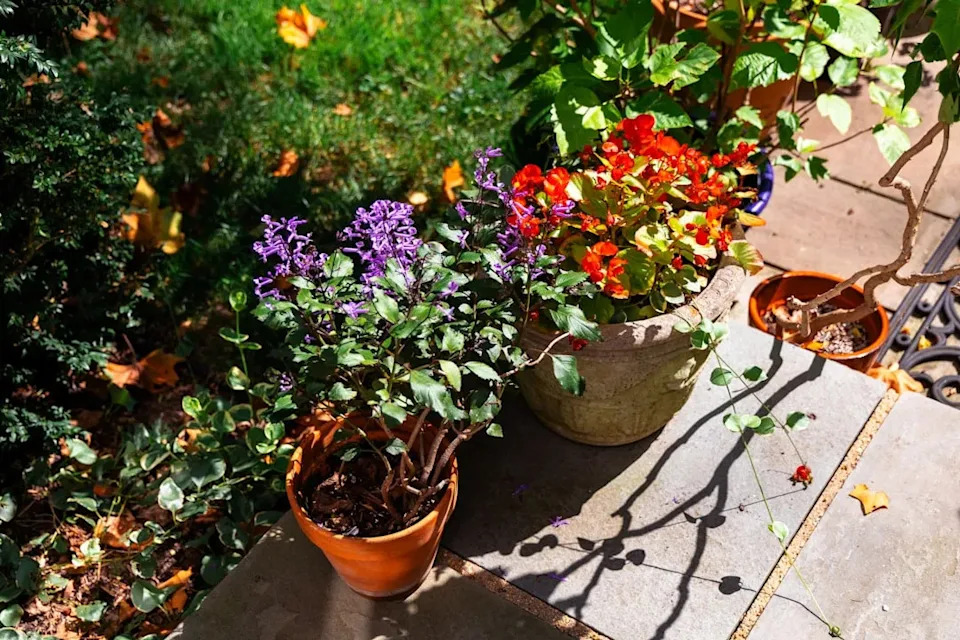
Why Riverside Gardens Need a Different Approach (Image Credits: Unsplash)
Annual heat waves in the Los Angeles region have nearly tripled since the 1980s, and they also last longer. Where a heat wave used to be a two or three day inconvenience, it now often spans five days or more, with more extreme high temperatures. Riverside, sitting inland in the heart of the Inland Empire, bears the brunt of these shifts more than coastal cities do.
A traditional grass lawn can use up to 1.5 inches of water per week during the growing season, amounting to roughly 62 gallons per square foot annually. When you scale that up to the size of a typical yard, the water use becomes substantial. Rethinking what you plant isn’t just an aesthetic choice anymore. It’s a practical one with real water and cost implications.
Heat-tolerant plants survive by adapting in clever ways: deep root systems help access water reserves buried in the soil, waxy or hairy leaves reduce evaporation and prevent moisture loss, and small or needle-shaped leaves minimize the surface area exposed to direct sun. Understanding these traits helps you pick plants that won’t need constant rescuing.
1. Agave – The Architectural Anchor
1. Agave – The Architectural Anchor (Image Credits: Unsplash)
Agave is one of the most iconic heat-tolerant plants for Southern California landscapes. With bold architectural leaves and extreme drought tolerance, it thrives in full sun and poor soil. Once established, it requires little to no supplemental water and adds instant visual impact to modern or desert-inspired gardens.
Agave species come in a variety of shapes, sizes, and shades ranging from jewel greens to pale blues. Their leaves are typically long and triangular with sharp tips, and they are known for their hardiness, requiring very little water to thrive while adding a stunning geometric element to the landscape.
Agave plants produce offsets that continue the cycle, ensuring the garden never loses its agave presence. This makes them both low-maintenance and self-renewing. For a Riverside yard that needs structure and minimal upkeep, very few plants deliver as reliably.
2. Bougainvillea – The Color Explosion
2. Bougainvillea – The Color Explosion (Image Credits: Unsplash)
Bright papery blooms covering walls and fences make bougainvillea a Southern California icon. It brings explosive color to gardens across the region, with shades ranging from hot pink and purple to orange, red, and white. Once established, it tolerates heat and drought like a champion.
The colorful parts are actually modified leaves called bracts, not true flowers. The real flowers are tiny and tucked inside those papery bracts. Bougainvillea needs full sun to produce its best color display and prefers well-draining soil. In Riverside’s reflective summer heat, it genuinely thrives where other flowering plants struggle.
This vigorous climber thrives in full sun and heat, producing show-stopping color with very little water once established. It’s perfect for walls, fences, and arbors. Plant it against a south-facing wall and it will reward you for years with almost no intervention.
3. Lantana – The Nonstop Bloomer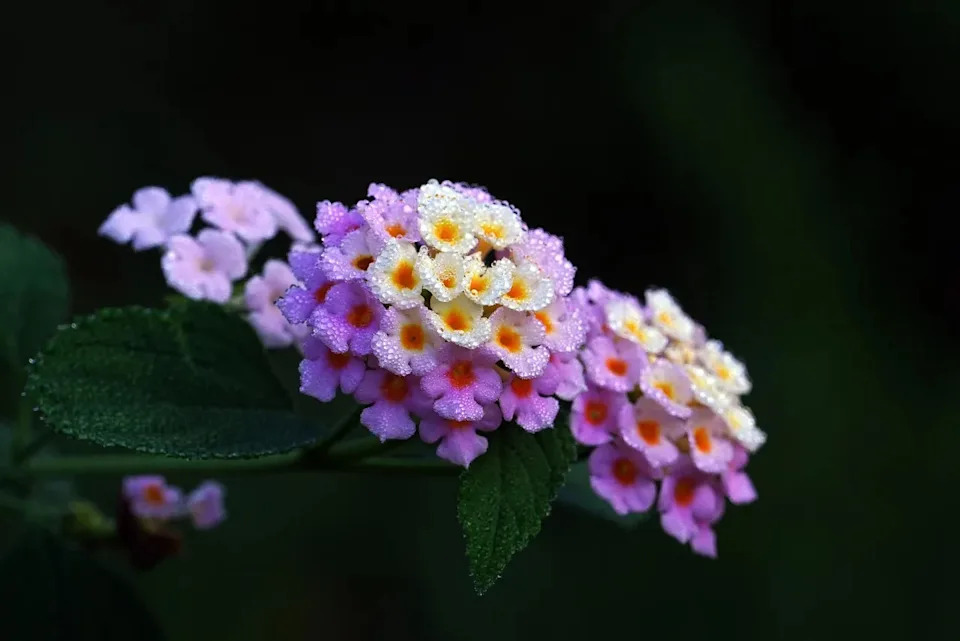
3. Lantana – The Nonstop Bloomer (Image Credits: Pixabay)
If you want long-lasting color through intense summer heat, lantana delivers. This tough flowering plant blooms nonstop in vibrant shades of pink, orange, yellow, and purple while thriving in full sun and dry conditions. Few plants match that combination of staying power and visual generosity in the Inland Empire summer.
Lantana tolerates poor soil and needs very little water once established. In fact, too much irrigation reduces blooming and can cause root problems. That’s a useful reminder: with heat-loving plants, restraint with the hose is often exactly the right approach.
This perennial brings vibrant coral-orange blooms against silvery foliage, and its ability to thrive in the hottest, driest conditions makes it ideal for challenging locations in Riverside County gardens. Use it along borders, in containers, or spilling over a retaining wall for maximum effect.
4. Rosemary – The Fragrant Workhorse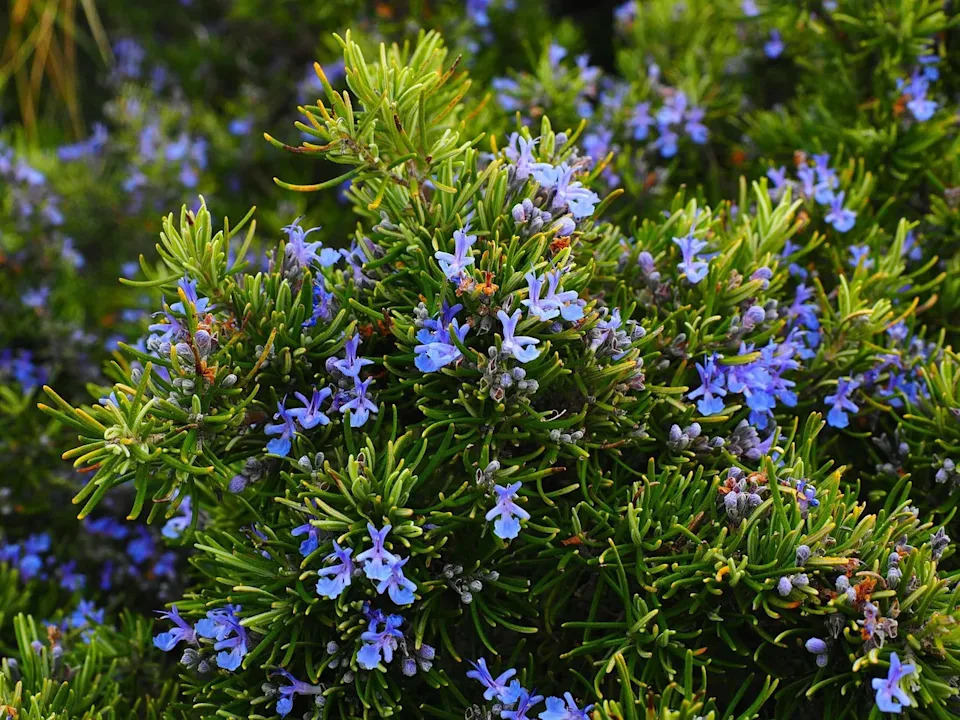
4. Rosemary – The Fragrant Workhorse (Image Credits: Pixabay)
Like lavender, rosemary comes from the Mediterranean region where summers are hot and dry. That background makes it perfectly suited for California gardens, especially in areas like the Inland Empire. It handles full sun without complaint and can go long stretches without water once established.
Rosemary grows as a low spreading ground cover or as an upright shrub, depending on the variety you choose. Both forms are equally tough and heat-tolerant. That flexibility makes it genuinely useful as a structural plant, a border hedge, or a slope stabilizer on difficult terrain.
The aromatic oils in its foliage deter many common pests, and deer typically avoid it, making rosemary useful in areas where wildlife browsing causes problems. Pruning after flowering keeps plants shaped and prevents them from becoming woody. Fresh or dried, the leaves add flavor to countless dishes while the living plant adds structure to the garden year-round.
5. California Buckwheat – The Native Powerhouse
5. California Buckwheat – The Native Powerhouse (Image Credits: Pexels)
California buckwheat is a rugged native shrub prized for its long bloom season and exceptional drought tolerance. Its delicate flowers attract pollinators, while its deep roots make it ideal for erosion control on slopes. In a region prone to dry hillsides and dusty embankments, that root system is genuinely valuable.
California buckwheat (Eriogonum fasciculatum) is tolerant of heat and drought, attracts butterflies, and provides a soft, bushy groundcover. The Riverside County “California Friendly Plant List” produced by the county’s Transportation and Land Management Agency specifically includes it for good reason. It belongs here.
These California native plants are uniquely adapted to the state’s Mediterranean climate of wet winters and dry summers, allowing them to flourish with minimal irrigation once established. Buckwheat is one of the purest expressions of that adaptation, blooming from late spring through summer and transitioning into warm russet tones as fall arrives.
6. Salvia (Cleveland Sage) – The Pollinator Magnet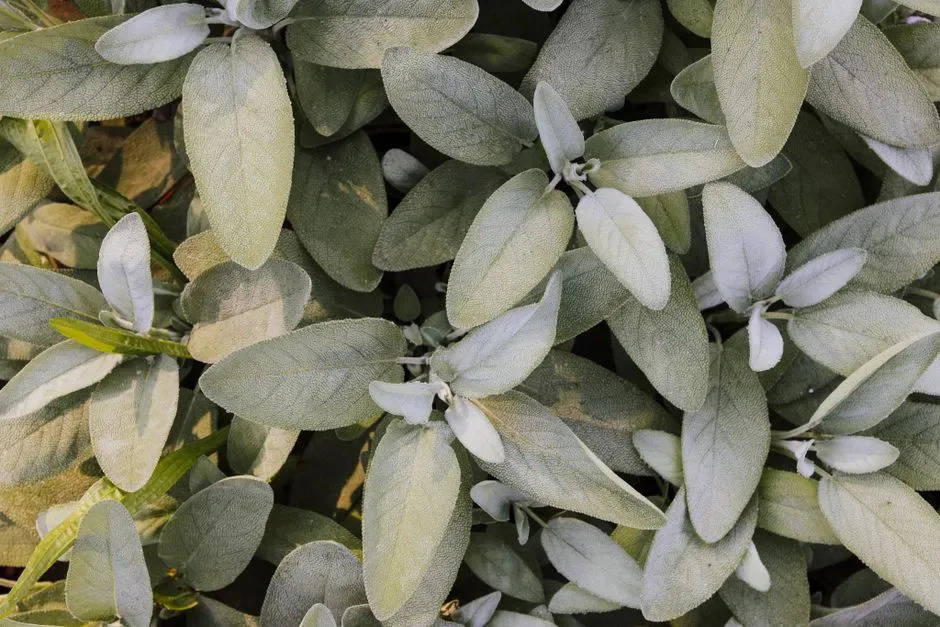
6. Salvia (Cleveland Sage) – The Pollinator Magnet (Image Credits: Pexels)
Cleveland Sage (Salvia clevelandii) produces fragrant purple blooms that attract hummingbirds and bees. It’s excellent for hedges and borders. In a Riverside garden trying to support local wildlife while managing heat and water, it checks nearly every box at once.
This drought-tolerant salvia hybrid offers soft blue-violet blooms and aromatic foliage that withstands intense summer heat. It’s loved by bees, butterflies, and hummingbirds, making it an excellent choice for pollinator-friendly gardens. That ecological role matters, especially as insect populations come under pressure from intensifying Inland Empire heat.
Plants native to arid regions or Mediterranean climates are naturally heat-tolerant and an excellent choice for Southern California gardens. Cleveland Sage is native to San Diego and Riverside counties, meaning it evolved specifically to handle the conditions you’re working with. It doesn’t just survive here. It belongs here.
How to Establish These Plants the Right Way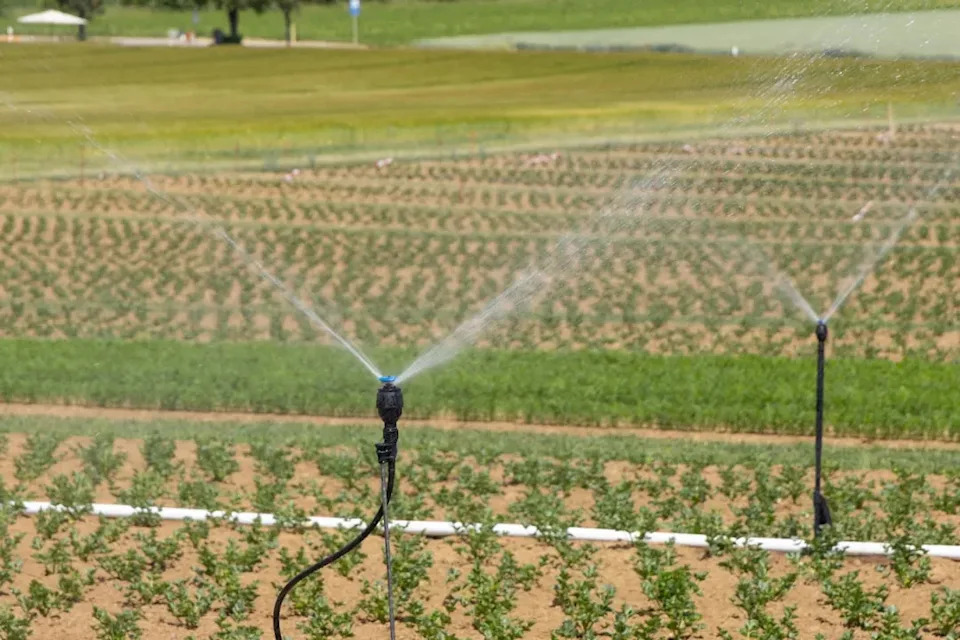
How to Establish These Plants the Right Way (Image Credits: Unsplash)
Infrequent deep watering encourages deeper root growth and results in plants with greater drought tolerance. A drip irrigation system, grouping plants with similar water needs together on one drip line, and watering at night, ideally between 9 p.m. and 6 a.m., reduces evaporation. These practices matter most during the first one to two growing seasons, when roots are still anchoring themselves.
Using mulch helps regulate soil temperature and lock in moisture. In Riverside’s summer, bare soil can reach temperatures that stress even hardy root systems, so a few inches of mulch around each plant makes a real difference. It also suppresses weeds that compete for limited water.
Grouping plants by water needs and clustering plants with similar irrigation requirements maximizes efficiency. Put your buckwheat, agave, and salvia in the same zone and your bougainvillea with your lantana. The logic is simple and the water savings add up quickly over a season.
What to Avoid Planting in Riverside Heat
What to Avoid Planting in Riverside Heat (Image Credits: Unsplash)
When a California heat wave hits, it doesn’t ease in gently. Temperatures spike fast, soil dries out in days, and many plants start to show stress almost immediately. Leaves scorch, blooms fade, and entire beds can struggle to hold on. Plants that need consistently moist, rich soil are simply fighting the wrong battle in Riverside.
Full-sun areas may need the toughest plants, while partial-sun spots can handle more variety. If you have a sheltered, east-facing corner that misses the brutal afternoon sun, you have more options. The open, south and west-facing areas of a Riverside yard are where only the genuinely tough species will hold their ground.
The Water Savings Are Real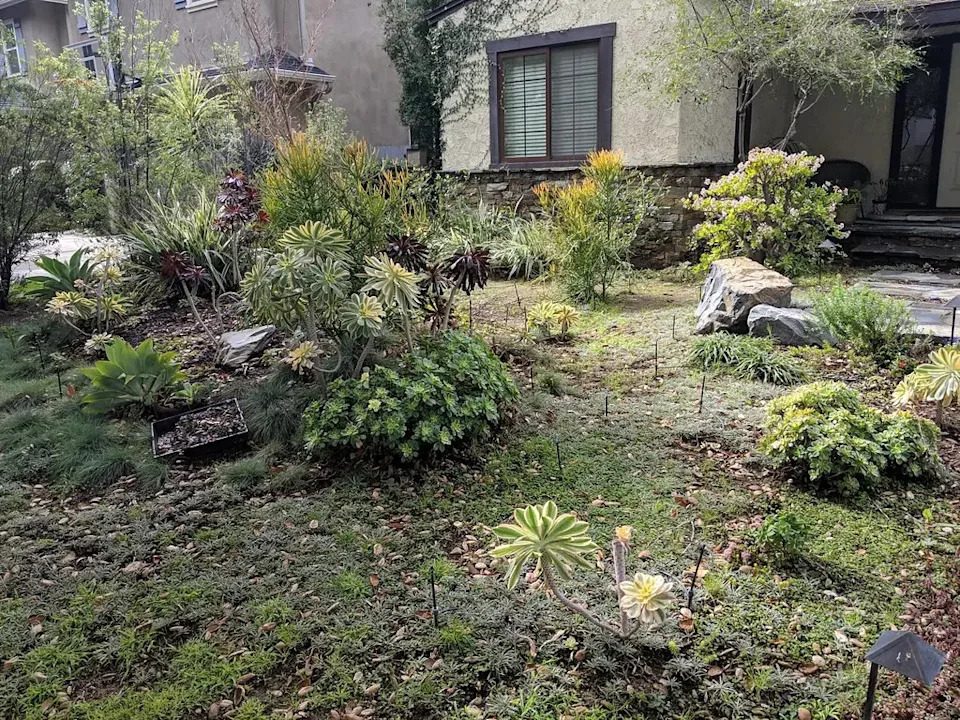 The Water Savings Are Real (gruntzooki, Flickr, CC BY-SA 2.0)
Water Efficient Gardens, with over a decade of experience designing drought-tolerant landscapes across California, has helped convert more than 150,000 square feet of lawns to native, drought-tolerant gardens, saving over three million gallons of water. Those numbers scale down meaningfully to a single household. Every lawn replaced with hardy native and Mediterranean plants represents years of meaningful conservation.
UC Riverside itself has licensed a new drought-resistant bermudagrass cultivar that may change the landscape of Southern California and beyond, reflecting just how seriously the region’s leading research institution takes the challenge of water in local landscapes. The conversation around what we plant in Riverside is no longer just aesthetic. It’s part of a broader resource story.
Pulling It All Together
Pulling It All Together (Image Credits: Pexels)
Creating a water-wise garden doesn’t mean sacrificing style. Plan with purpose: use taller plants for shade, medium shrubs for structure, and groundcovers to fill open areas. The six species covered here can be layered exactly that way. Agave and bougainvillea provide height and drama. Salvia and rosemary build mid-level structure. Lantana and buckwheat fill the low edges with color and pollinator activity.
Layering textures and colors by combining silvery foliage, spiky succulents, and bright blooms creates a balanced and attractive design. That kind of intentional composition is what separates a garden that merely survives Riverside summers from one that actually looks like it was designed for them.
The heat in Riverside isn’t going anywhere. If anything, the data from recent years suggests it will keep intensifying. The gardeners who adapt now by choosing plants rooted in the same dry, sun-drenched climates where they evolved will end up with something genuinely beautiful. The ones who keep fighting the conditions will keep losing the fight.
AI Disclaimer: This article was created with the assistance of AI tools and reviewed by a human editor.
The post Want Your Riverside Garden to Flourish Despite the Heat? Plant These 6 Hardy Species appeared first on The Garden Magazine.
Comments are closed.