
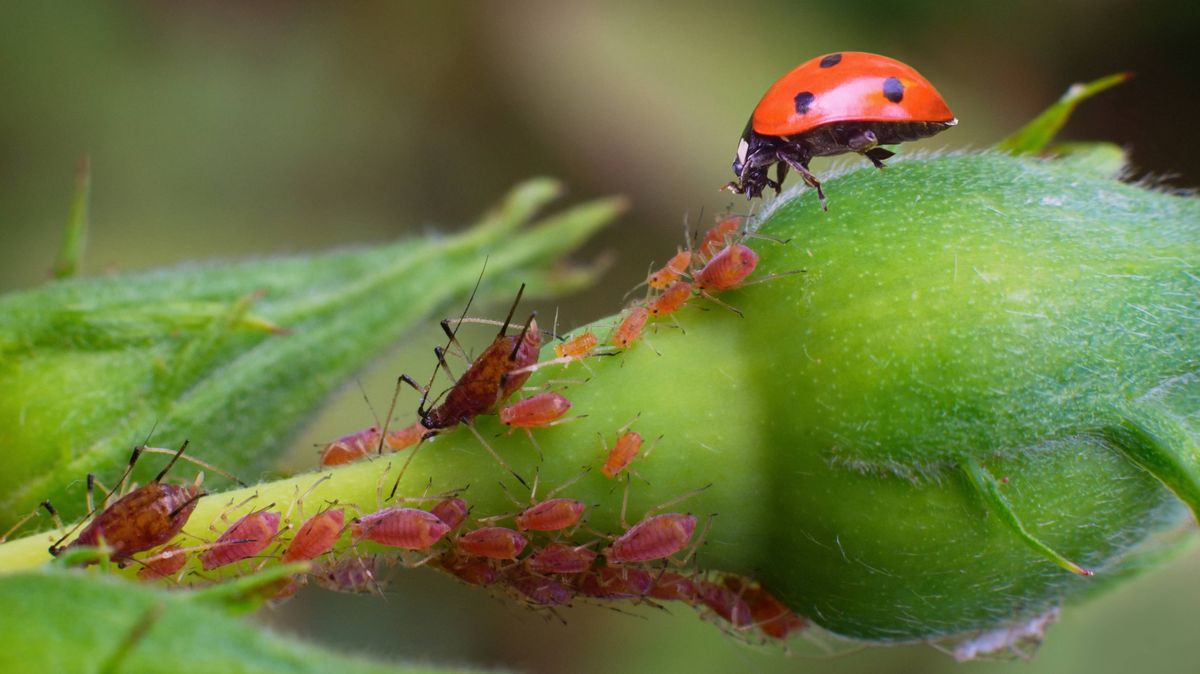
The UK is currently experiencing a greenfly plague, with rose bushes particularly under threat – but there’s a natural, pesticide-free method available from any supermarket
Aphids are currently multiplying in UK gardens(Image: Getty Images)
A greenfly infestation is presently affecting gardens throughout the UK – with rose bushes particularly under attack. Some gardeners will be reaching for the insecticides, but these can be harmful to the environment and damage birds and other predators that would normally consume the insects.
Nevertheless, gardening experts have put forward a recommendation – and it costs merely 44p to create a large bucket of a completely natural anti-greenfly solution – with two garlic cloves. People can make ‘garlic water’ with a couple of cloves – and 88p for 4 in tesco it’s a cheap solution. According to Google, searches for greenfly have risen 491% over the past month, with breakout terms such as ‘how to get rid of greenfly’ increasing 21% in the last week.
Green and black flies, typically referred to as aphids amongst gardeners, can appear on both indoor and outdoor plants. While a handful of aphids might not create substantial damage, large quantities swarming on stems or a sticky substance deposited on your plants may signal an issue.
Aphids are additionally attracted to nitrogen-rich fertilisers, so it’s crucial not to over-fertilise your plants, as this can render them more appealing to these pests. The Norfolk School of Gardening stated: “I don’t know if anyone else has noticed, but greenfly this year seem to be particularly large and plump. They have been all over the flower buds and new leaves of the lupins in the Walled Garden for the past couple of weeks, and there have been far too many to remove by hand.
“We don’t use chemical pesticides, so this week we made some garlic water, leaving several cloves to steep in boiling water and then pouring it into a hand spray when cool.
“This definitely kills off the current generation of aphids, but the eggs still hatch out, so we are spraying every couple of days at the moment. We haven’t seen many ladybirds yet in the Walled Garden but we hope they will turn up soon, and in the meantime we have taken the lupins out of the pots where they have been for a few months, got them into the ground and given them a feed. Stressed plants are much more likely to be attacked by aphids, so we hope to have made them less vulnerable. “
Garlic contains allicin, a sulphur-based compound that acts as an insect repellent and may also serve as a natural antifungal remedy. For those who would rather avoid the scent of garlic in their garden, combining a small amount of washing-up liquid with water in a spray bottle and applying it to affected plants can prove equally effective in removing and deterring aphids.
Dr Stephanie Bird, RHS senior plant health scientist, has highlighted how weather conditions directly influence aphid populations, with the insects thriving during warm, dry spells in spring and summer. “Aphids’ life cycles are temperature dependent, and the slightly warmer weather means they they are able to reproduce and build up their numbers slightly quicker,” she explains. Milder winters also contribute to earlier aphid activity, she adds.
The RHS recommends gardeners accommodate them wherever feasible, but if this proves impossible, manually crush infestations using your fingers and inspect plants regularly before significant harm occurs. Pesticides should be avoided, it advises, as they diminish biodiversity, including beneficial predators, and compromise soil quality. Instead, it proposes attracting natural aphid predators to your garden through cultivating pollinator-friendly vegetation.
Comments are closed.