


Spanish bluebells are taking over UK gardens (Image: Olga Pankova via Getty Images)
As the sun shines and people head outdoors, experts are calling on gardeners to stay alert to an invasive species that is spreading at an alarming rate across the UK. Vast numbers of gardeners are likely already harbouring this plant without knowing it, yet if left unchecked, it has the potential to wreak havoc on native blooms.
The offender in question is the Spanish bluebell – originally brought in as a decorative garden plant. It now aggressively dominates and pushes out the native English bluebell, establishing itself as one of the most serious threats to our indigenous flowers. This is largely due to Spanish bluebells growing considerably faster produce, far greater quantities of seeds and readily crossbreed with native plants, generating hybrids that overwhelm indigenous species, reports the Mirror.
Read more: Gardeners urged to bury jars of beer in soil in May
Read more: Your legal rights if neighbours set up CCTV video doorbell
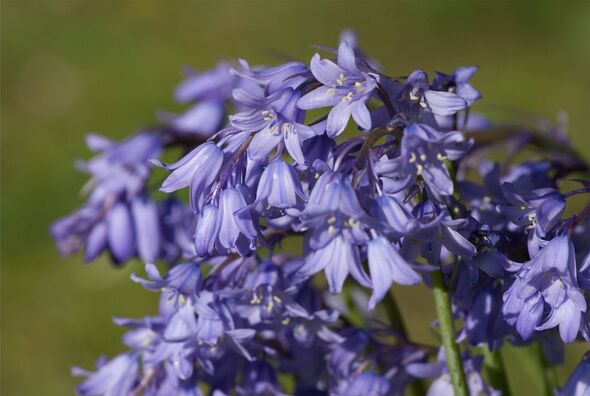
Spanish bluebells don’t have a fragrance to them (Image: Getty)
“The biggest risk comes from gardens, where they may be planted for their beauty but can spread beyond boundaries through seeds, bulbs and garden waste if left unchecked.”
Native bluebells are a protected species and a fundamental part of the UK’s natural heritage.
Once Spanish bluebells escape garden boundaries, they can infiltrate the surrounding countryside and woodland, making private gardens a crucial battleground in protecting our indigenous species.
Alarmingly, a great many gardeners are unable to tell the two varieties apart, meaning they are inadvertently allowing the introduced species to flourish unchecked.
The two varieties can be told apart by their shape. Spanish bluebells grow upright, with blooms spread along the entire stem, while native English bluebells arch elegantly in a curved, drooping fashion.
Colour also distinguishes them – Spanish varieties appear pale blue or lilac, occasionally turning pink or white, whereas English bluebells boast a rich, deep violet hue.
Native bluebells also produce a powerful, sweet fragrance, while their Spanish counterparts are completely scentless.
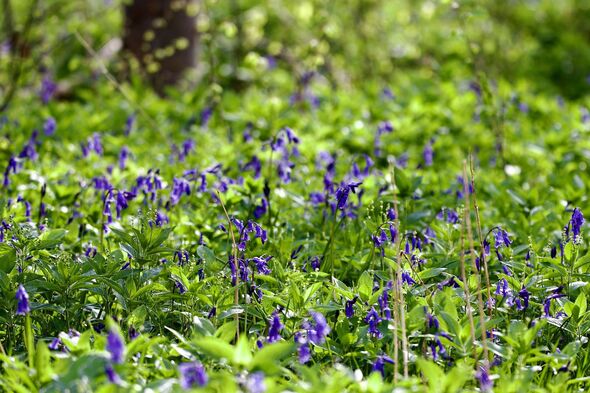
English bluebells have a rich voilet, blue colour (Image: Getty)
Although Spanish bluebells do not feature on the Government’s list of invasive plants in England and Wales, they are considered invasive in both Northern Ireland and the Republic of Ireland.
In Scotland, planting any non-native species in the wild is a criminal offence.
Chris said: “Gardeners play a crucial role in protecting native bluebells. Even a single garden population can establish in surrounding areas within a few years, so early identification and careful management can make a big difference.”
Addressing the spread of these invasive plants demands careful removal. It is vital to dig out the entire bulb and dispose of it responsibly – never add them to compost or garden waste.
Instead, seal the plants in a bag and place them in your general household waste.
Comments are closed.