
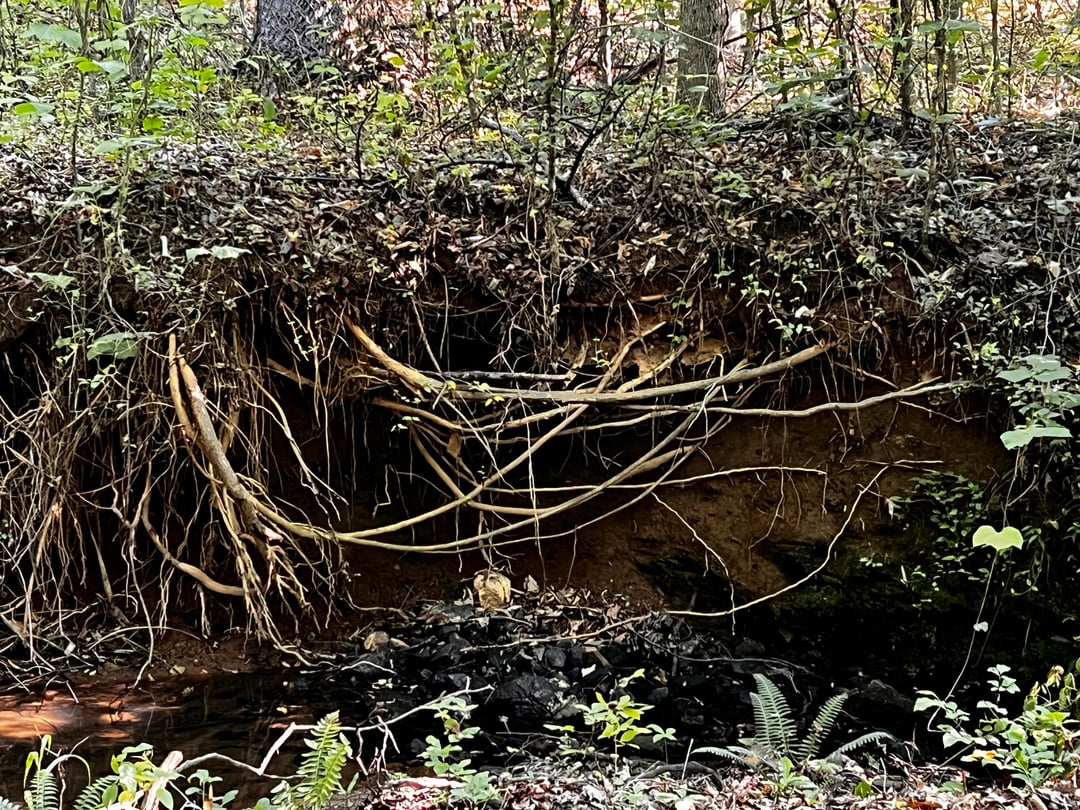
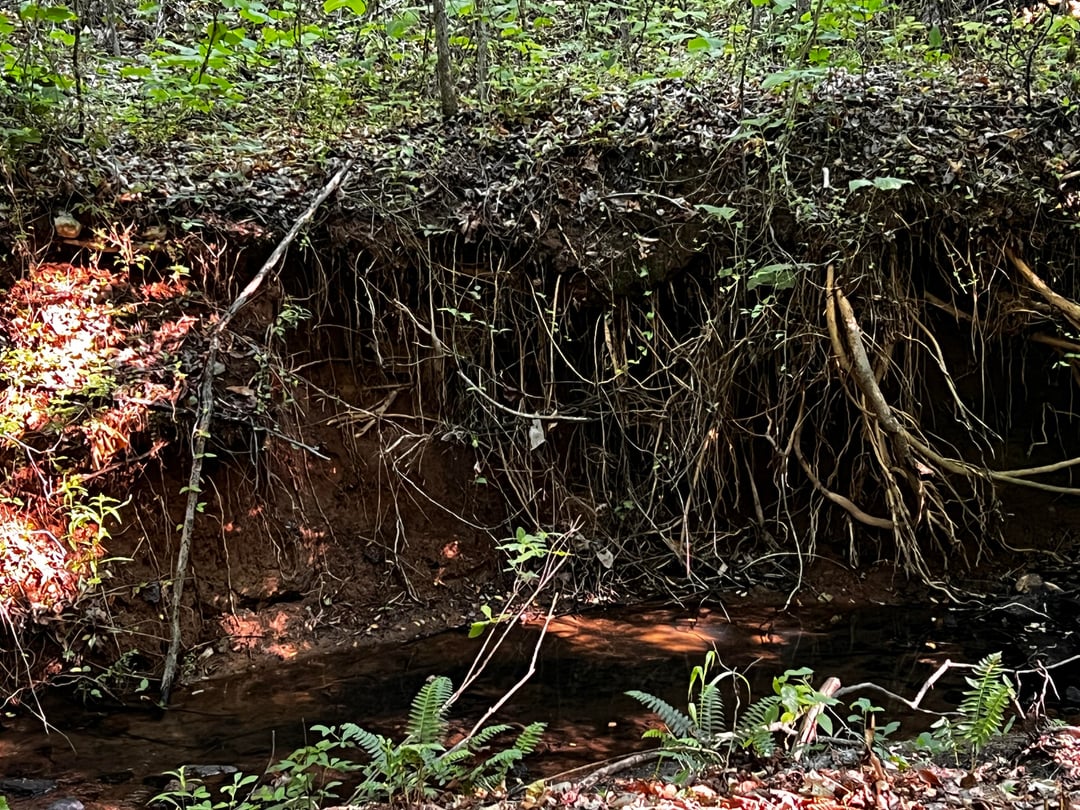
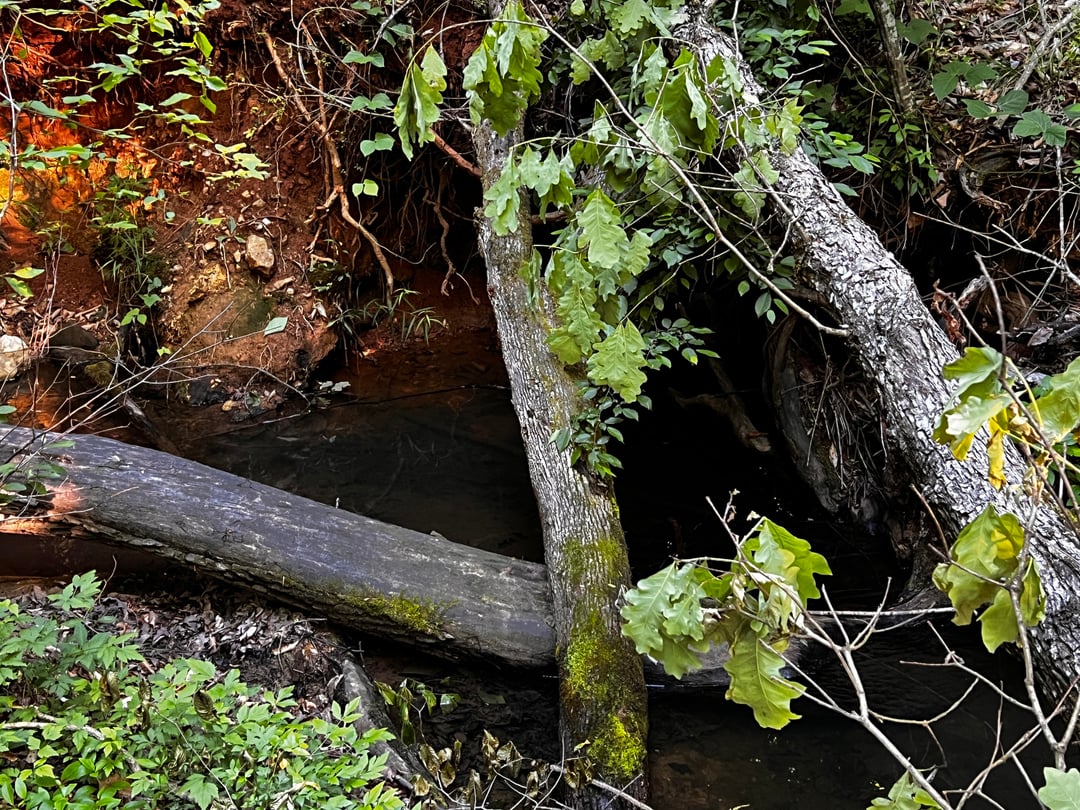
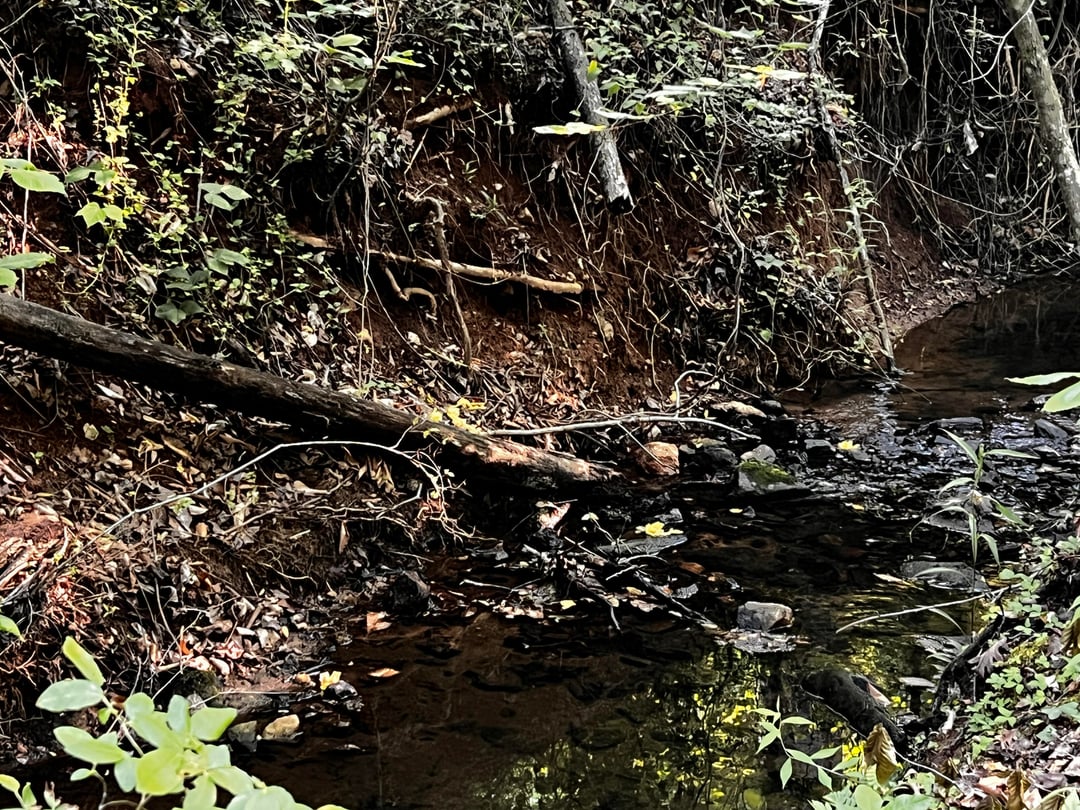
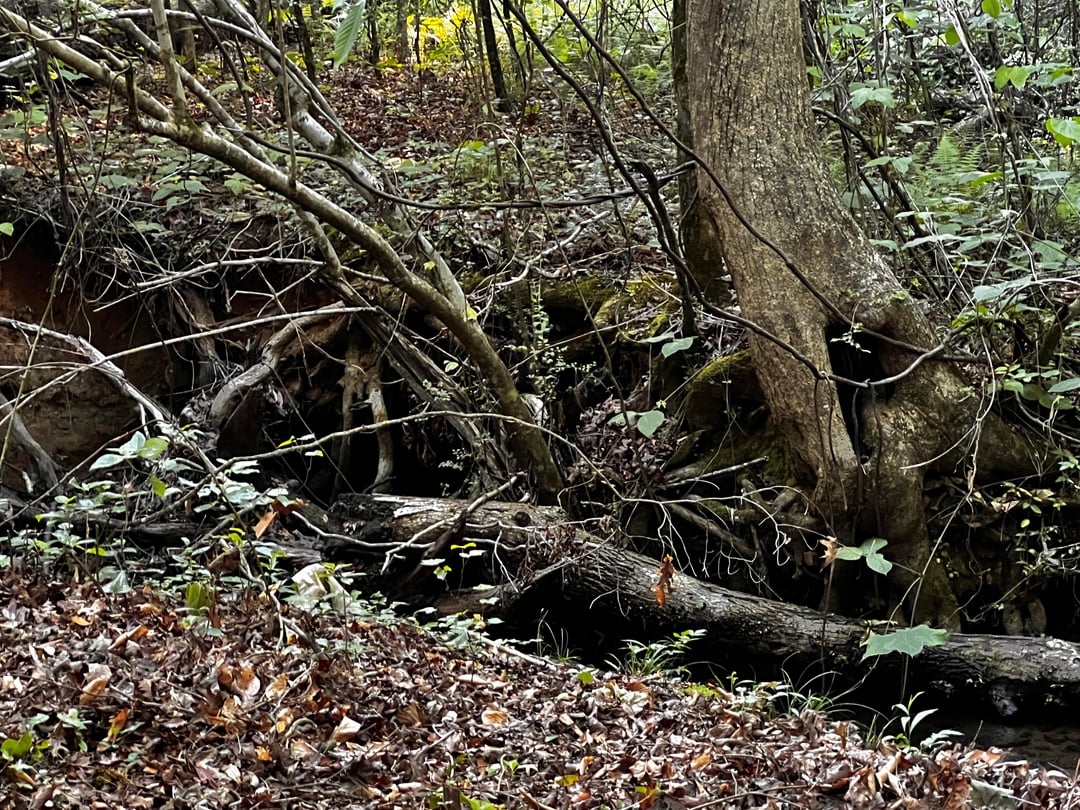
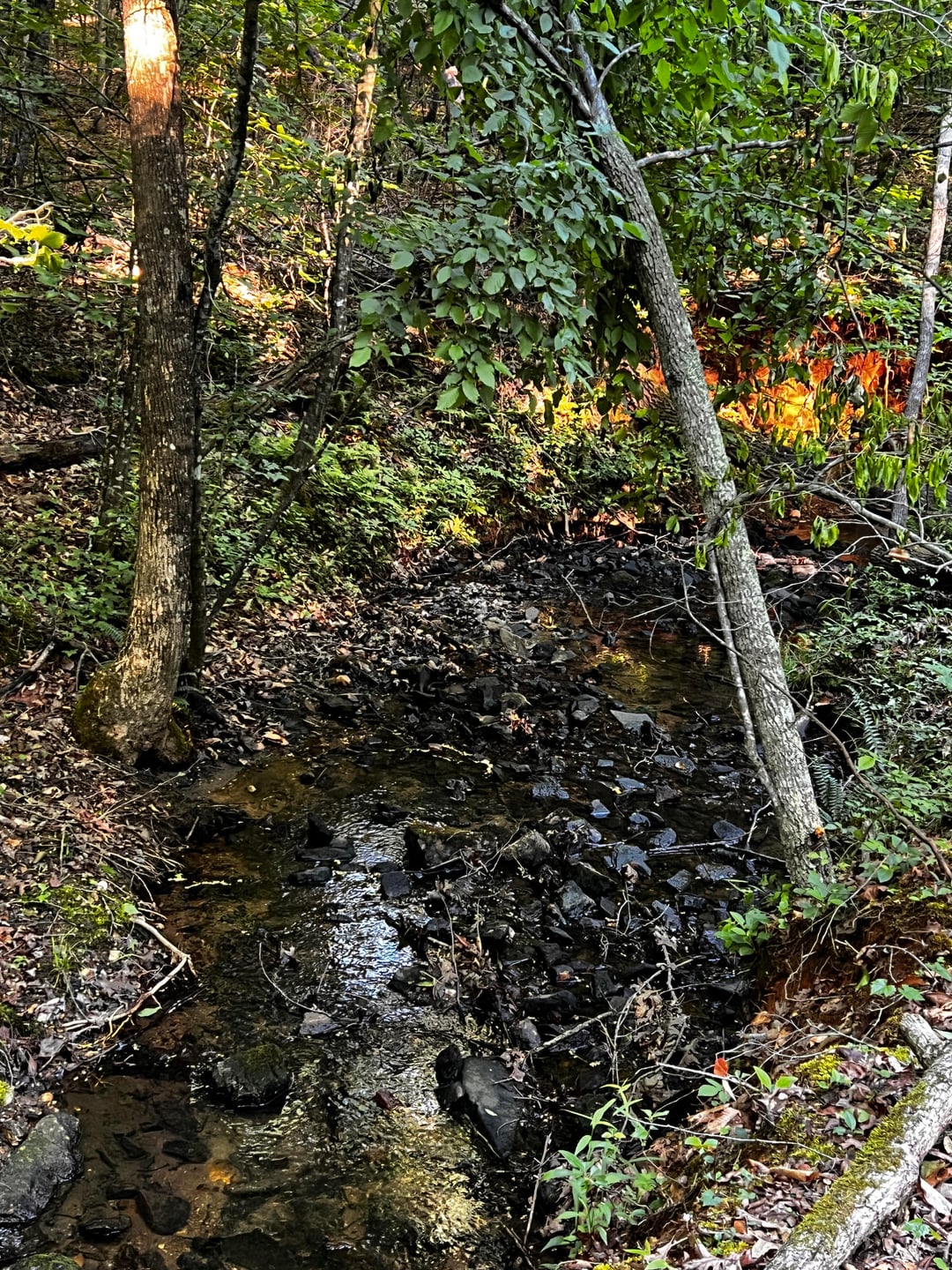
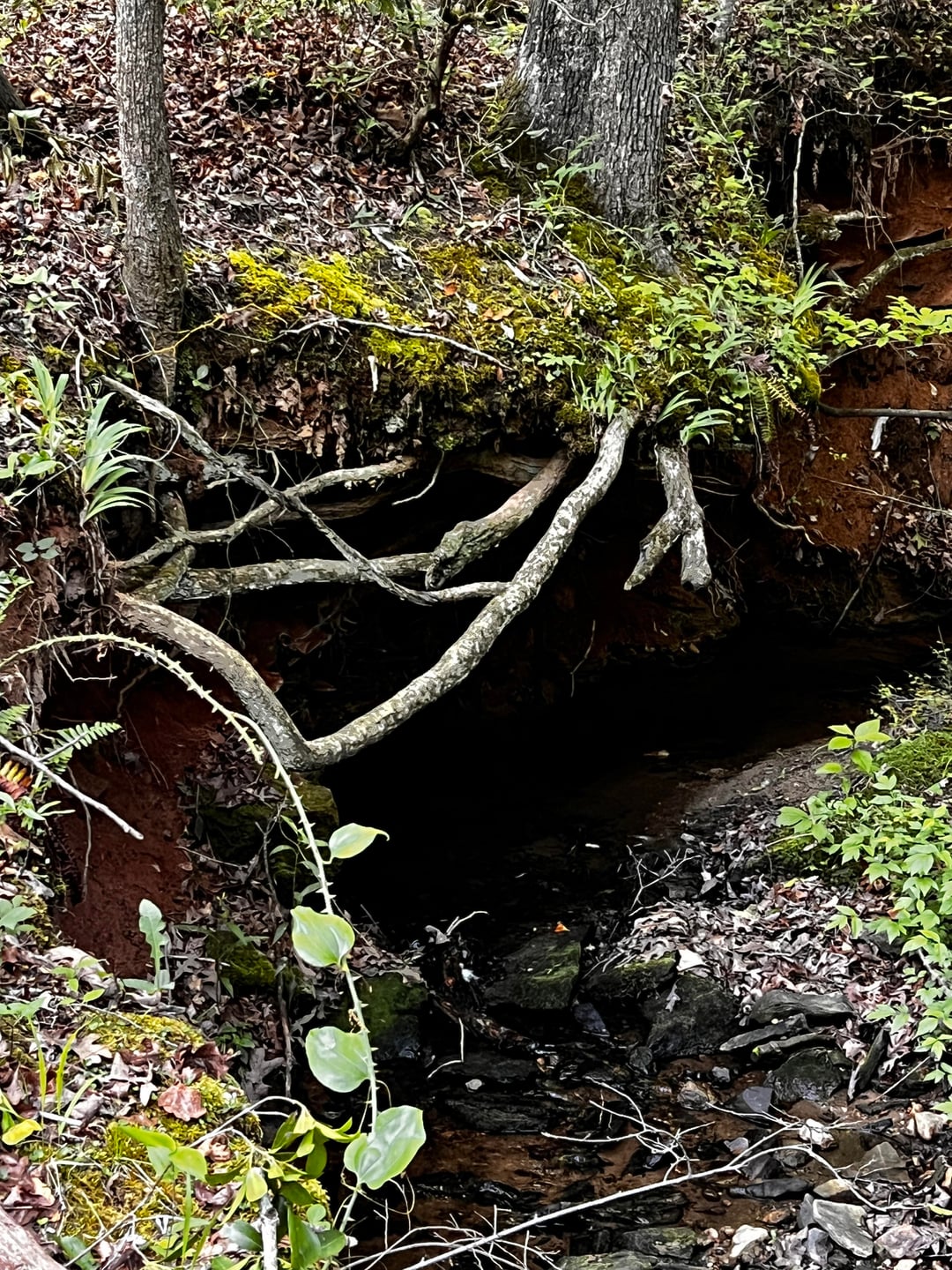
Can natives help provide some structural integrity here? New land so no known history but nervous about the degree of erosion here. Some of this may be 2024 Helene damage but may also just be time? We are in a drought so hard to know what perfect water level looks like. Open to any ideas or recommendations on things definitely not to do.
by Slight-Alteration
9 Comments
There are a lot of things that can be done for channel stabilization.
You are talking about lining the channel with vegetation, which is good. But it looks like your bank slopes are heaving eroded and could need to be regraded for best chances of preventing this scouring in the future.
I’d say using a mix of structural practices such as lining the erosion prone areas with large rocks, and vegetating less erosion prone areas could be your best bet.
Some of this damage here was also done after the hurricane as companies got govt contracts to clean up the debris and got paid by the pound, so they scraped the sides of our streams. Really really upsetting.
Yes natives will help restore the creek beds edges. Id look into getting some dried wood twigs/poles from native plants to try and stabilize the edges there. If that doesn’t work you may need to regrade a little
The erosion is the stream stabilizing itself. It wants to meander. It is currently deeply incised (eroded downwards) and disconnected from the floodplain. It is probably straightened and channelized too. Clearly roots aren’t solving the problem. The solution is large woody debris in the water and beaver dams.
[https://lowtechpbr.restoration.usu.edu/](https://lowtechpbr.restoration.usu.edu/)
It’s also an excellent place to hide from the Nazgul.
We’ve been installing low effort beaver analogs along our creek bed for a couple years now after over a year of observation. First year, we didn’t see much buildup, then started filling in gulleys and head cuts with dead trees/limbs etc to try and trap leaf litter and sand a bit better. This year, it looks like we’ve gotten a solid couple of feet built up. This analog was built sometime in late winter 2025 and has been partially buried from our spring rains
https://preview.redd.it/uwegdc2yrd0h1.jpeg?width=960&format=pjpg&auto=webp&s=64dbc2373bc7d95fafa8bdaae60f8111f1ae3b76
Consider reaching out to the NC State Extension agents who teach a stream bank repair workshop. They’ve got good information, and they’re very approachable. Unfortunately, they probably won’t have any other workshops until this late fall/winter. It’s still worth looking into imo
[NC State Stream Bank Repair Workshop](https://bae.ncsu.edu/workshops-conferences/sbr/)
I’ve seen people hammer rows of fresh cut willow stakes in the spring along creeks that were prone to flood. The idea was they would sprout and stabilize the soil. I’m not sure how successful it was.
It’s a stream, it does not need to be stabilized unless it’s encroaching on a structure. Cut banks are natural and important. If you want to install mock beaver dams, you’d better check with the county drain commission first.
You’re going to need a lot more than just vegetation here. You need rock armor and lots of it. Watch this video for a very similar scenario and how they fixed it: https://youtu.be/hdwrsnvjBoU