
Gardening expert Alan Titchmarsh names roses as the essential flower no garden should be without, and shares the best varieties to grow for scent and colour
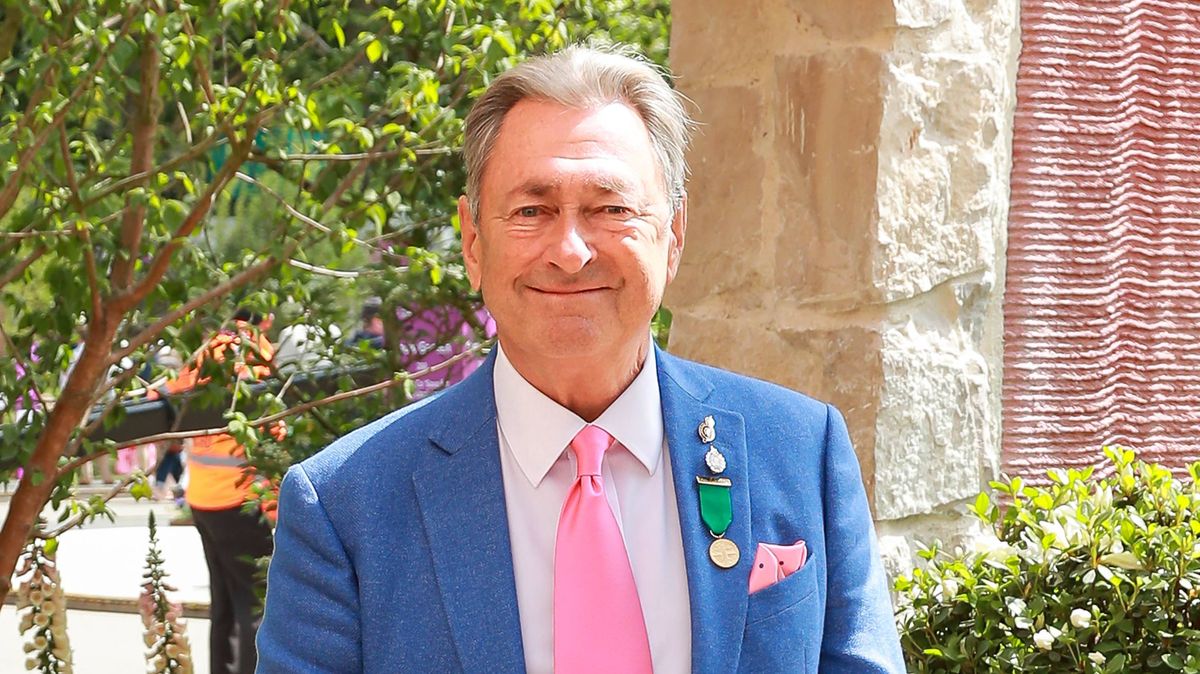
Alan Titchmarsh has named one flower that gardens need to have(Image: Dave Benett, Dave Benett/Getty Images for Killik & Co)
Renowned gardening expert Alan Titchmarsh has declared one particular flower as essential, insisting no “garden is complete without” it. The beloved horticulturalist first developed his passion for plants as a youngster, spending his pocket money at Woolworths on seeds.
Leaving school at 15 with a solitary O Level in art, he began his career as an apprentice gardener at Ilkley Council, before progressing to the prestigious Kew Gardens and later editing horticultural publications.
The 77-year-old subsequently forged a successful broadcasting career, contributing to BBC Radio 4. In 1996 he took over as presenter of the much-loved Gardeners’ World, following it up with the launch of Ground Force just a year later.
Nowadays, Alan regularly imparts his considerable knowledge via his Gardening with Alan Titchmarsh YouTube channel, where he recently outlined five essential tasks gardeners should tackle in May.
His recommendations included planting tomatoes, companion planting, choosing suitable climbers, and getting containers planted up. Alan also highlighted the perfect moment to introduce one particular bloom he considers absolutely indispensable.
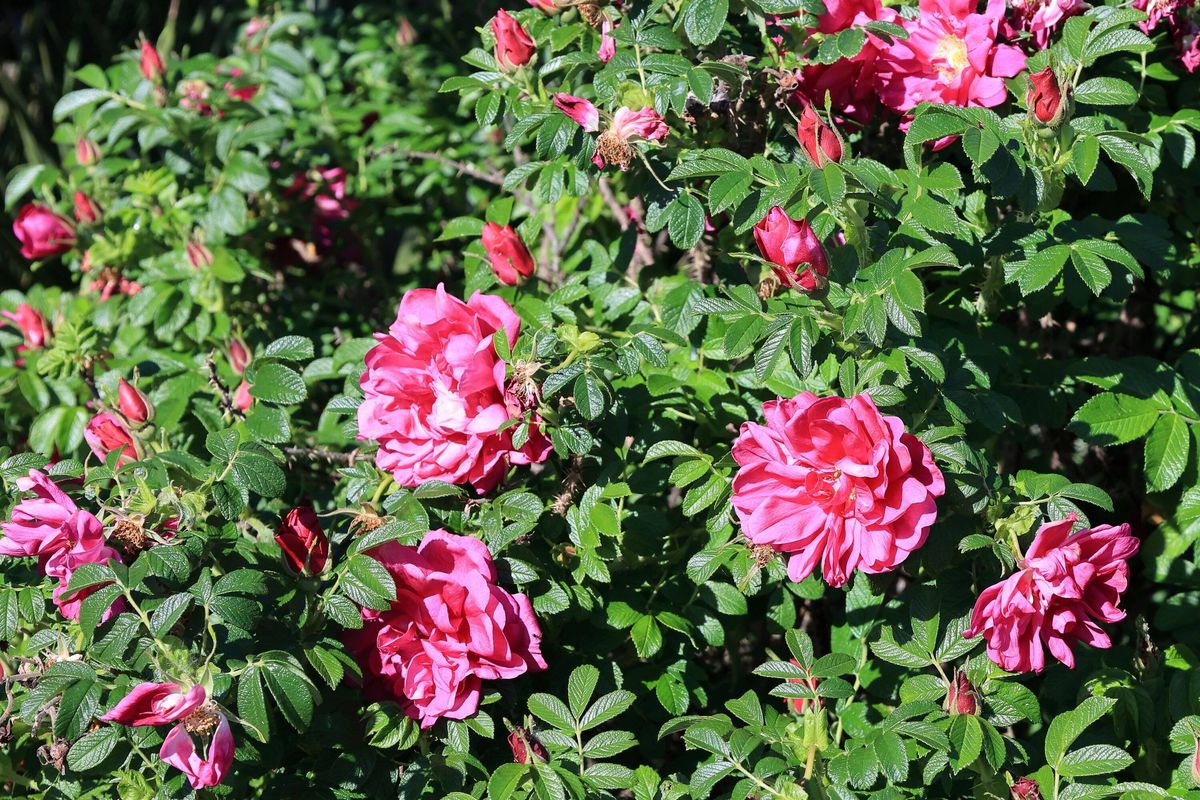
Alan is fond of pink roses(Image: Getty)
Alan said: “I think no garden is complete without a rose. For colour, for fragrance, and just for the sheer joy of watching them open.”
Having previously expressed a preference for pink or mauve varieties, Alan is particularly fond of the Jacques Cartier rose, commonly referred to as the Old Rose.
He describes the flower as an “oddity” due to the fact it “flowers right the way through the year”, adding: “It’s quite a tall rose, it will grow to seven or eight feet if you let it.”
Alan suggests that gardeners looking to sidestep the “common problems” associated with roses should consider rugosa varieties. The RHS, however, cautions that Rosa rugosa is classified as a non-native invasive species.
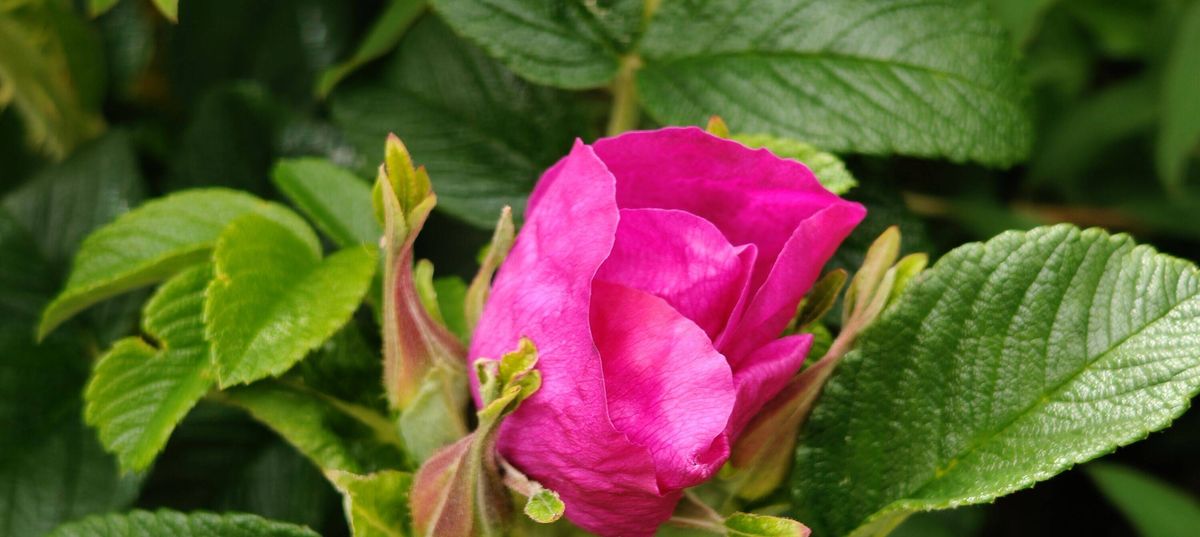
Alan says the rosa rugosa has foilage like ‘crepe paper'(Image: Getty)
It said: “Rosa rugosa is listed on Schedule 9 of the UK Wildlife & Countryside Act as an invasive non-native species, meaning it is an offence to plant or cause these to grow in the wild in England and Wales.”
Nevertheless, Alan puts forward Rosa ‘Fru Dagmar Hastrup’ and Rosa ‘Roseraie de l’Hay’ as his top picks. He explains: “The rugosa roses have foliage that is like crepe paper and it never seems to get anything in the way of mildew and blackspot.”
According to the RHS, Fru Dagmar Hastrup is a bushy rose variety that thrives in chalk, clay, loam or sandy soils, and is equally suited to both full sun and partial shade.
The Roseraie de l’Hay, meanwhile, is a hardy variety that flourishes in moist yet well-drained conditions, and similarly adapts well to a broad range of soil types.
Ultimately, Alan maintains he will “try any rose” provided it boasts a wonderful fragrance, adding: “We all love scent in roses, that’s the most important thing.”
Comments are closed.